7 Mar, 2026 | Admin | No Comments
The £8.49 Ukrainian wine that needs to be on your Lidl shopping list
When it comes to European wines, I’ve noticed a trend…
Bottles from France, Italy, Spain go straight in the basket. So far, so usual.
But wines from the likes of Georgia, Moldova or Ukraine are rarely taken on a journey to the checkout.
There’s an inital spark of interest – the brow furrows, the jaw tenses, we hold the bottle up to the light side-eyeing it, before placing it back on the shelf and moving on with our day.
‘Not today’, we think to ourselves.
But this kind of causal dismissal of Eastern European wines is a missed opportunity. What if the gamble pays off?
Best of Metro Deals
Get exclusive discounts with Metro Deals – save on getaways and spa days. Powered by Wowcher
Bannatyne Spa
Spa day for two with treatments, lunch & prosecco — save up to 57% off.
Other deals
Mystery Escape
Hotel stay with return flights from as low as £92pp — save on worldwide holiday packages.
Beach Retreat (Lanzarote)
4* Lanzarote beach holiday with flights — save up to 58%.
UK Getaway
4* Radisson Blu Durham stay with breakfast, spa access & late checkout — save 60% off.
Drive Supercars
3–12 lap supercar driving experiences from £16.99 — save up to 65%.

What’s putting people off?
For a start, we can’t pronounce the grape names, which never helps.
The likes of Saperavi, Rkatsiteli, Feteascã Neagrã, Mavrud and Kadarka don’t exactly roll off the tongue as effortlessly as Chardonnay and Pinot Noir.
Then there’s the fact that the wines normally sell for under £10, which triggers our Spidey senses to wonder why they are so cheap.
On the flip side, £8.49 can seem pricey to many everyday wine drinkers, for who £6 to £7 is the sweet-spot. Why should they pay extra for something that’s not from a ‘regular’ wine producing region? It’s a risk many aren’t prepared to take.
Why you should give Eastern European wine a try
We’re prepared to spend £6-upwards on a coffee without giving it a second thought. Why not a couple of quid more on a wine from a different country?
Some of the most fascinating bottles on our shelves come from Eastern Europe. Regions that have been making wines for centuries, if not, millennia. Even from before Stonehenge.
Somehow, they haven’t quite garnered the same smash-hit status as the wines from Western Europe, which is a shame, as we’re missing out on wines that are not only great value, but that are genuinely distinctive.
Take Georgia, for example. Here is a country that will tell you, pretty much within the first thirty seconds of meeting you, that it is the birthplace of wine. And in fairness, it has the archaeological receipts to back up its claim.
Evidence suggests that Georgians have been making wine for the last 8,000 years, long before other Europeans were getting around to it.
The traditional Georgian method involves fermenting wine in ginormous clay vessels, called qvevri, which are buried underground. These amphora-like pots allow the wine to ferment and mature at a stable temperature. The process is so culturally significant that UNESCO has listed it as part of their Intangible Culture Heritage (ICH)
Moldova, meanwhile, just may be the most underrated wine country in Europe. Tucked between Romania and Ukraine, the country has one of the highest vineyard densities in the world. They also have vast networks of tunnels filled with wine bottles stretching miles beneath the earth.
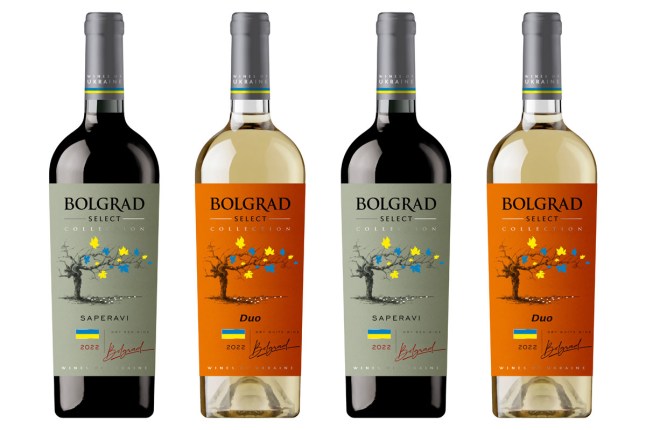
Then there’s Ukraine. People double take when you mention it as a wine-producing country, given all that’s going on. And yet, Ukraine has a long winemaking tradition, particularly along the Black Sea coastline where the climate is ideal for growing grapes.
This tradition is being kept alive, even in the midst of war.
Vitalii Schmulevych, the chief executive of Bolgrad, the country’s largest wine producer, recently told The Telegraph that they refuse to be subdued, despite missiles coming every night.
The vineyards are equipped with shelters, to protect workers from drone attacks, and Vitalii claims they go in ‘when it’s very, very loud’.
He added: ‘We are just living and we try not to think about it. Because we need to show that nothing will change this position.’
My top picks…
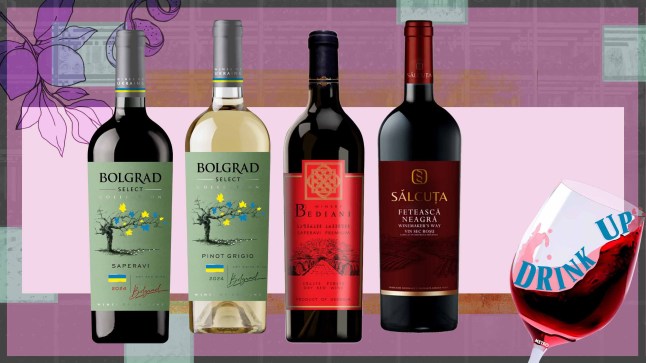
With all that in mind, here are my Georgian, Moldovan and Ukrainian wine recommendations, and you’ll find them all at your local Lidl supermarket.
Bediani Premium Saperavi, Georgia, £8.49, Lidl
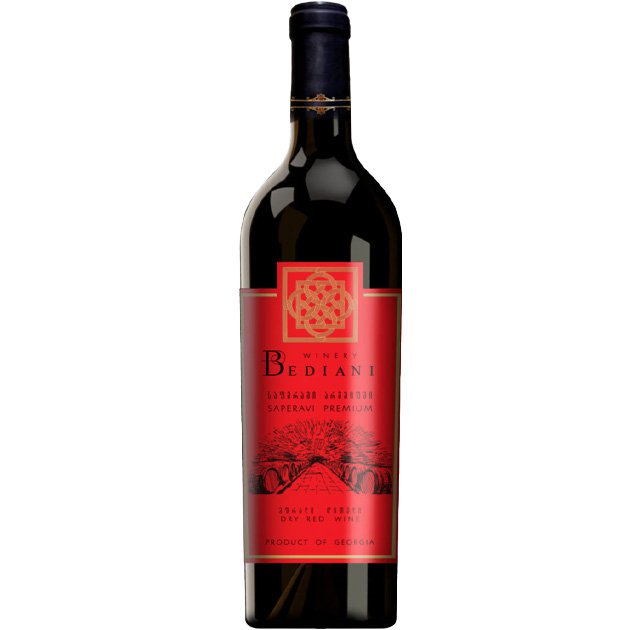
Saperavi is pronounced ‘sap-air-ah-vee’. It’s one to learn and love. Aside from having become my favourite red grape, it’s also what’s known as a ‘teinturier grape’; red on the outside and the inside. This wine is from the Kakheti region of Georgia, where three quarters of the country’s wine come from. Inky pomegranate in colour, it’s all ripe blackberry and black cherry on the palate, with hints of dark, chocolate, liquorice and vanilla.
Salcuta Winemakers Way Feteascã Neagrã, Moldova, £8.49, Lidl
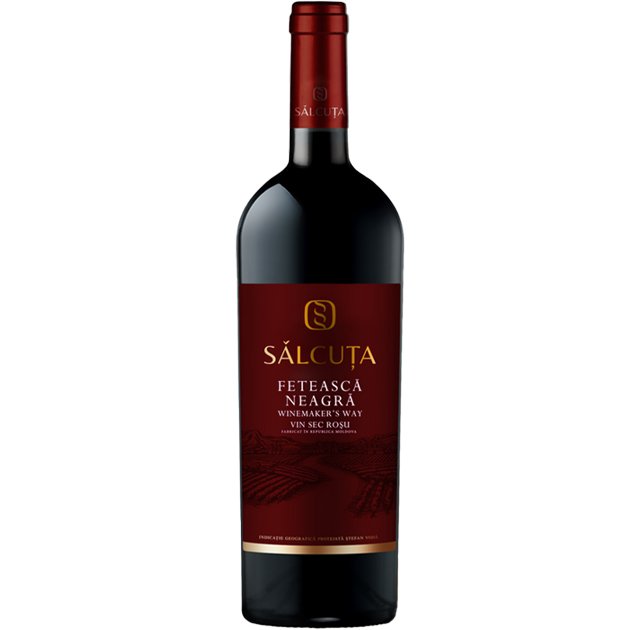
This bottle is a great introduction to the Feteascã Neagrã grape, pronounced ‘fate-ash-ka knee-agg-rah’. Think dried plum, damson and high cacao-content chocolate, with a soft and mouth-filling texture. Produced in the Stefan Vodã region of Moldova, the sun-drenched hills and rich chernozem soils (black, fertile earth) provide exceptional conditions for grape-growing.
Bolgrad Select Saperavi, Ukraine, £8.49, Lidl
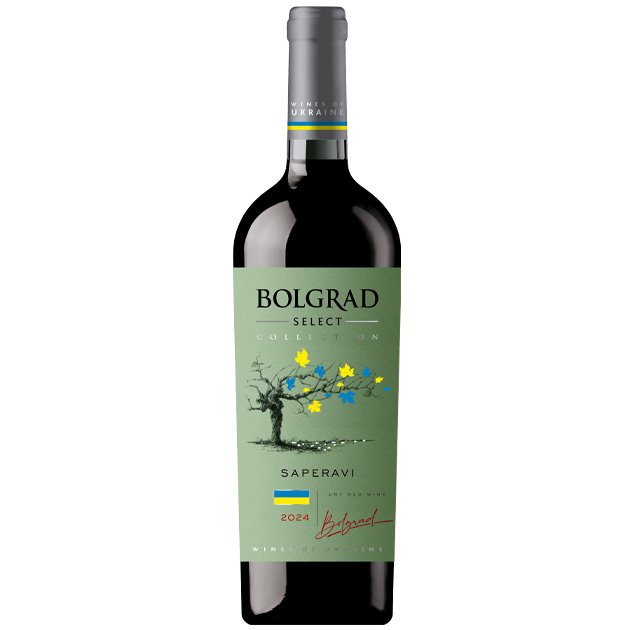
Bolgrad, founded in the 19th century is Ukraine’s number one brand. It’s located near the Black Sea in the Odesa region in the southwest of the country. This has a deliciously plummy, prune and liquorice character that will go down a storm with Malbec drinkers. It’s also a bit spicy, perfect with the roast lamb we’ll be allowed to cook once it’s officially spring.
Bolgrad Pinot Grigio, Ukraine, £8.49, Lidl
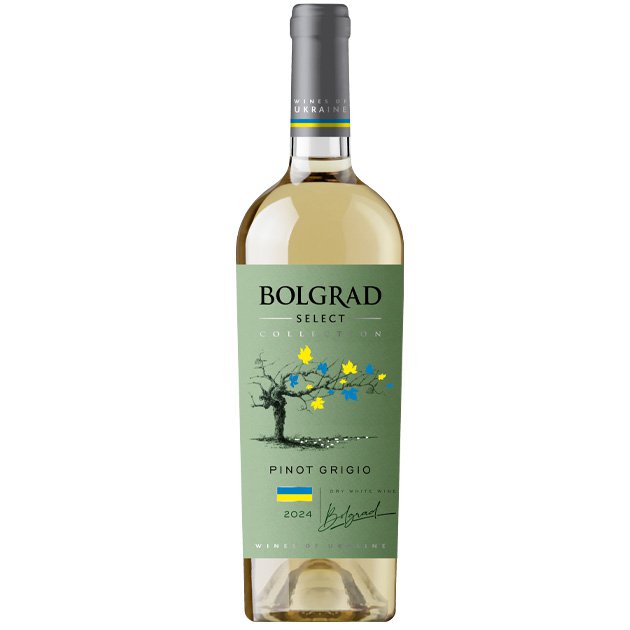
Pinot Grigio, but not as we know it. Forget the neutral-tasting, mass produced stuff at the low end. This is all blossomy, citrussy with a hint of tropical lychee. Ageing on its lees for three months has picked up creamy complexity and texture for a lovely accompaniment to the simplicity of a roast chicken.
Do you have a story to share?
Get in touch by emailing MetroLifestyleTeam@Metro.co.uk.
Write Reviews
Leave a Comment
No Comments & Reviews