Physician reveals diet that ‘mimics Ozempic’ without the need for jabs
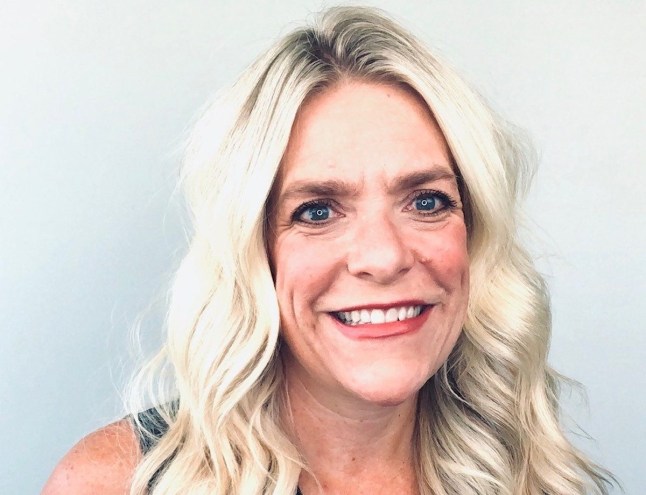
The recent boom in weight loss jabs has been near-impossible for most people to miss. From celebrity endorsements to long NHS waiting lists for them, GLP-1 medications like Ozempic, Wegovy and Mounjaro have totally reshaped treatments. But what happens when people stop taking them is a question many only confront after the weight has already dropped. According to clinical researcher Dr. Holly Wyatt, that moment often brings hunger (and weight) back with a vengeance. Her work now focuses on what comes next rather than the injections themselves. And the physician claims to have the answer… (Picture: SWNS)
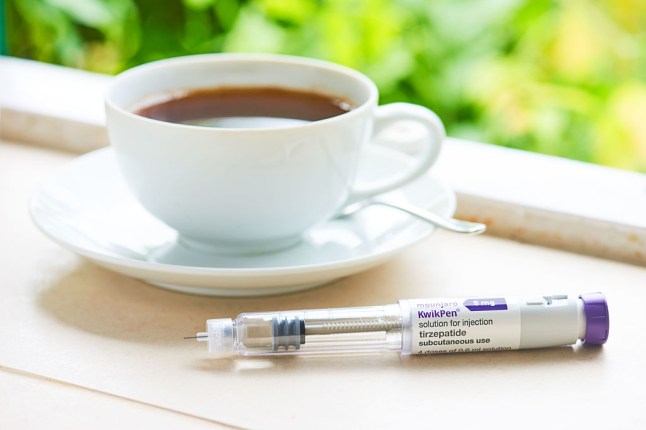
Dr. Wyatt said: ‘One of the big problems with Wegovy or tirzepatide [Mounjaro] and the other drugs that are out there is that people aren’t staying on them. They’re losing weight, and then they’re going off the drug.’ Cost, side effects and a reluctance to commit long term all play a role in why folk may stop jabbing themselves. (Picture: Getty Images)
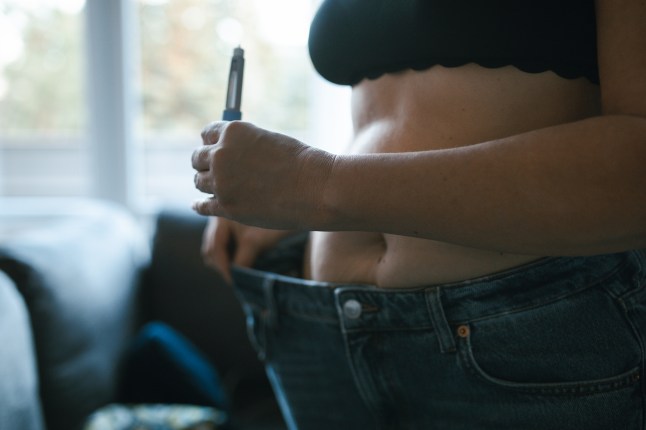
When people stop taking GLP-1s, the body doesn’t just quietly accept the change. Appetite creeps back in stages. ‘If you’re taking the injectable, it is long lasting,’ Dr. Wyatt explained. ‘It has a long half-life, so it’ll take several weeks before you notice it, but eventually that medication’s out of your system, and your appetite comes back.’ That return can feel sudden to anyone who got used to a muted hunger signal. (Picture: Getty Images)
Dr. Wyatt compares stopping weight loss injections to quitting other long-term medications. ‘The medication’s effects are temporary. If you stop taking a blood pressure pill, your blood pressure goes back up,’ she said. ‘Similarly, when patients discontinue GLP-1s, their appetite comes back. The food noise people talk about comes back, and then over a period of time, you regain the weight.’ Clinical trials repeatedly show that the loss and regain cycle is a very real factor in those that stopped the jabs. (Picture: Getty Images)
That pattern pushed Dr. Wyatt to develop practical strategies for life after injections. ‘We’re seeing this pattern of losing a significant amount of weight, but then also regaining it fairly rapidly. A lot of people are getting into that cycle,’ she said. Her response is laid out in her book Losing the Weight Loss Meds: A 10-Week Playbook for Stopping GLP-1 Medications Without Regaining the Weight, which aims to make the transition less brutal. (Picture: Getty Images)
Central to that plan is choosing to consume food that does more than just fill a plate. Dr. Wyatt calls it an ‘appetite reset meal’. ‘When I refer to an “appetite reset meal,” I’m talking about a structured first meal of the day that uses food as medicine to help lower hunger and cravings across the day,’ she said. ‘It does not fully replace GLP-1 medications, but it can help replicate some of their appetite-regulating effects.’ (Picture: Getty Images)
What to eat for breakfast
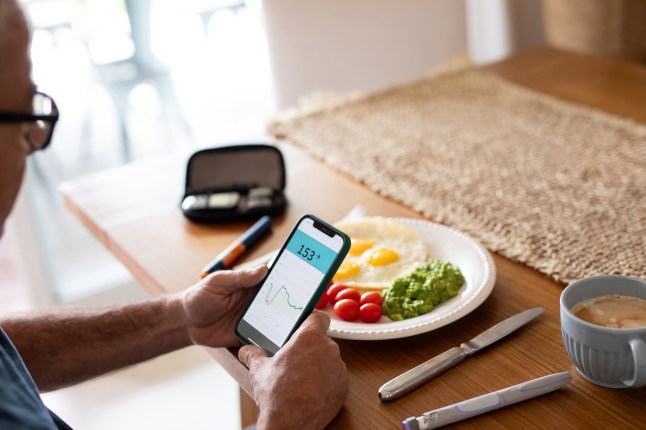
The breakfast formula is actually pretty specific. Dr. Wyatt recommends at least 25 grams of protein, under 45 grams of carbohydrates, at least 15 grams of fibre, no more than 10 grams of added sugar and no more than 10 grams of fat. Protein-rich foods like egg whites, Greek yoghurt or cottage cheese pair well with high-fibre options such as berries, beans or lentils. The aim is slower digestion and longer-lasting fullness. (Picture: Getty Images)
‘Aside from slow digestion, these foods stabilise blood sugar by limiting refined carbohydrates and added sugars, reducing post-meal glucose spikes,’ she said. They also increase fullness hormones, helping quiet appetite and ‘food noise’ so people eat less without feeling constantly deprived. ‘Starting the day this way helps set appetite and craving patterns for the entire day,’ Dr. Wyatt added. (Picture: Getty Images)
Food alone isn’t enough though. Dr. Wyatt stresses that willpower quickly runs out once medication support disappears. ‘The big thing is people need to understand that it’s going to be very difficult, if not almost impossible, to do it with willpower alone,’ she said. ‘You need to substitute some other behaviors, a different plan to be successful.’ Her approach rests on food, movement and psychological preparation. (Picture: Getty Images)
Exercise helps create what she calls metabolic flexibility. It allows the body to balance food intake with energy use. ‘It’s a really big piece for weight loss maintenance,’ she said. Emotional eating also needs more than a little attention. ‘When you’re on the GLP-1 and let’s say you’ve used food to cope with stress or negative emotions, these behaviours are temporarily controlled,’ she said. Without new strategies, old habits can return. And fast. (Picture: Getty Images)
Despite the challenges, Dr. Wyatt believes that these GLP-1s remain rather transformative. ‘We have a really big opportunity to reduce obesity with these drugs, but that won’t happen if we don’t figure out how to prevent weight regain once people have lost the weight,’ she said. ‘They’re game changers.’ Her concern is simple. ‘No one’s talking about what they’re going to do when they stop…’ (Picture: Getty Images) Add Metro as a Preferred Source on Google Add as preferred source






Write Reviews
Leave a Comment
No Comments & Reviews