20 Jan, 2026 | Admin | No Comments
My doctor didn’t take me seriously – until my boyfriend showed up

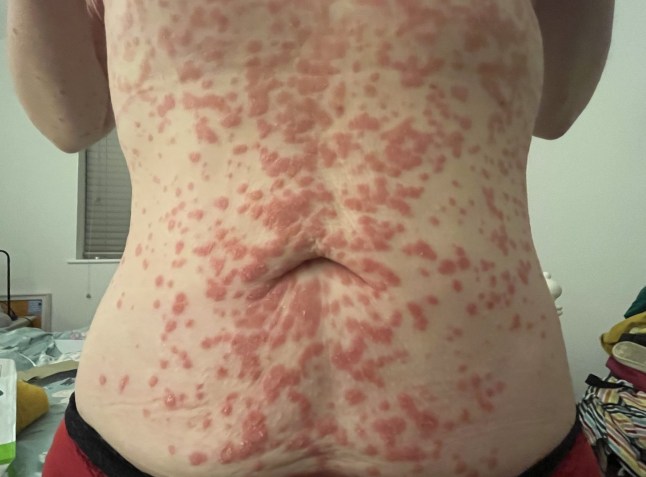
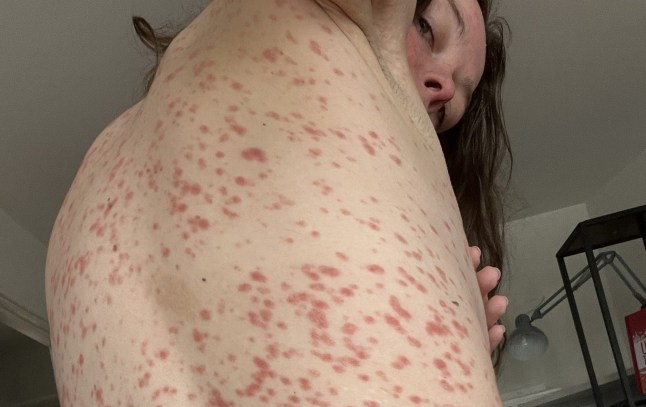
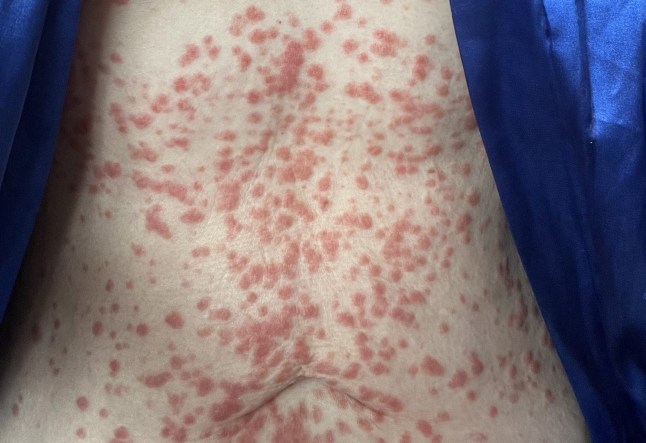
‘Have you tried being less stressed?’ the A&E doctor suggested when I went to visit him in 2024 about a full-body rash I was dealing with.
I did my best to hide my frustration.
But it wasn’t until my boyfriend spoke up that I was taken seriously.
‘She’s in a lot of pain and needs help,’ he said calmly and clearly. ‘The advice so far hasn’t improved things and it’s getting worse.’
The doctor listened and prescribed a strong painkiller. I felt relief – as well as confusion.
That’s why I was delighted to hear that this week, GP practices across the country will use posters to promote Jess’s rule.
I really believe the change has the potential to be life-changing, particularly for people with complex, chronic or poorly understood conditions.
Named after Jessica Brady, a 27-year-old who contacted her surgery 20 times before dying of cancer in 2020, Jess’s rule urges doctors to order more tests if a patient has had three appointments for their symptoms but no diagnosis.
It also suggests that doctors should be comfortable to ask for a second opinion if unsure, or provide a face-to-face examination.
These posters could have helped me trust my instincts much earlier, instead of having to experience what I went through.
I remember sitting in front of the doctor at A&E – feeling like I wasn’t being heard, my experience invalidated.
My medical history is complex (at best) and I have grown up feeling dismissed.
I developed symptoms of obsessive-compulsive disorder (OCD), anxiety and depression around the age of nine, all of which were disregarded as a ‘phase’.

Over the last 30 years I’ve experienced a number of mental health conditions – bulimia, anorexia, binge eating disorder and depression – as well as ongoing physical concerns, and I have frequently been told that my mental health is the cause of my physical symptoms.
It wasn’t until anorexia took hold when I was 14 that medical professionals took things seriously.
I had multiple life-saving hospitalisations but was subsequently given many new diagnoses, including bipolar disorder, anxiety disorder and body dysmorphic disorder.
Unfortunately, these interventions came too late. I developed further complications, including psychosis and hallucinations, paranoia and agoraphobia, with complex PTSD (cPTSD) suggested eventually in my 30s as being at the root of it all.

I felt as though I was viewed as an attention seeker – in reality, I was crying out for help.
As I entered my thirties, physical issues including musculoskeletal pain and digestive problems came to the fore. Again, doctors dismissed these as psychological in origin, as though my pain was an extension of my depression.
Looking back, I feel like these posters would have helped me feel more justified in pushing earlier and more persistently. They legitimise the idea that repeated uncertainty isn’t something patients should simply accept.
As a result, I stopped trusting my own body and started believing their dismissals. I went along with whatever was said because I didn’t have the energy to keep fighting. And I internalised that misogyny not to ‘be a burden’ and to stop ‘making a fuss over nothing’.
I also stopped visiting my GP, which, unsurprisingly, impacted my health further, and any treatment I did receive seemed to be massively delayed. At times, I felt utterly lost, alone.
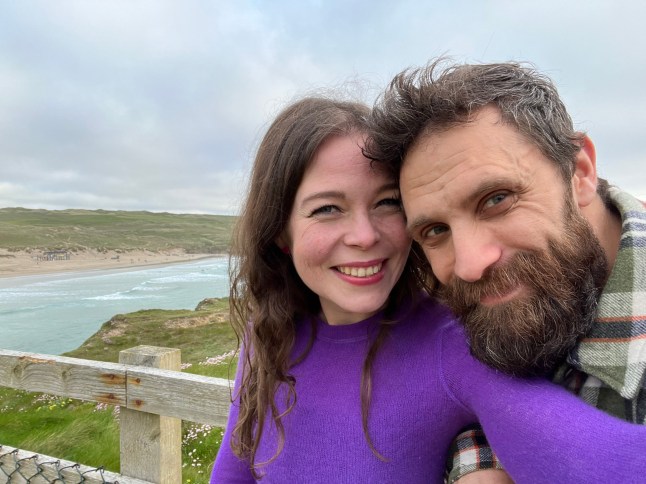
It wasn’t until that A&E experience in 2024 that I finally wondered: Why had it taken Adam’s advocacy for doctors to respond? Why had they responded far faster to his voice than mine?
Finally, I realised: It was the clearest case I’d ever experienced of medical misogyny.
Sadly, I’m not the only woman to experience it. According to one study, the UK has the highest gender health gap out of all the G20 countries and medical misogyny contributes to misdiagnoses, inadequate pain management and delayed treatment.
The same research found that 60% of women in the UK believe their health issues are not taken seriously, and 57% of women have had a negative experience with a healthcare professional.
Those figures are devastating yet there is little being done to eradicate them. Meanwhile, women are still suffering.
Had Adam not driven me to A&E, convinced me to endure the six-hour-long wait to be seen then spoken to the doctor himself, I suspect I would have been cast aside again.
This kind of dismissal in healthcare is especially dangerous. It jeopardises women’s wellbeing. I wonder how many of my medical problems could’ve been prevented had I not had my complaints ignored.
In February 2025, having moved to a new area and able to see new doctors, I was seen by a new specialist and on a hunch was started on prescription medication straight away.
The prescription came with no side effects and it has helped massively. While I’ve still had occasional colds and infections, I’m no longer experiencing the constant, debilitating illnesses I had before.
I’ve still not yet had a formal diagnosis. But ‘stress’ certainly isn’t the cause. I’ve experienced stressful times since starting this new medication and yet it has not had the same physical effect.
We need to encourage people to stand up for themselves when they aren’t getting the care they need.
I’m trying to get better at that. I’ve spent enough of my life waiting to be heard, but no more. I’m starting by calling myself and my internalised misogyny out.
Jess’s Rule matters because it prioritises patient outcomes, not just labels.
It allows people to receive care and relief even while diagnostic processes are ongoing and that can make the difference between surviving and actually living.
Every single person, of any gender, should be listened to when it comes to their health. We will not stand for being dismissed anymore.
(As told to Hannah Shewan Stevens)
A version of this article was first published May 10, 2025.
Do you have a story you’d like to share? Get in touch by emailing jess.austin@metro.co.uk.
Share your views in the comments below.
Write Reviews
Leave a Comment
No Comments & Reviews