7 Feb, 2026 | | No Comments
People pay me to style them – most of their clothes are from charity shops

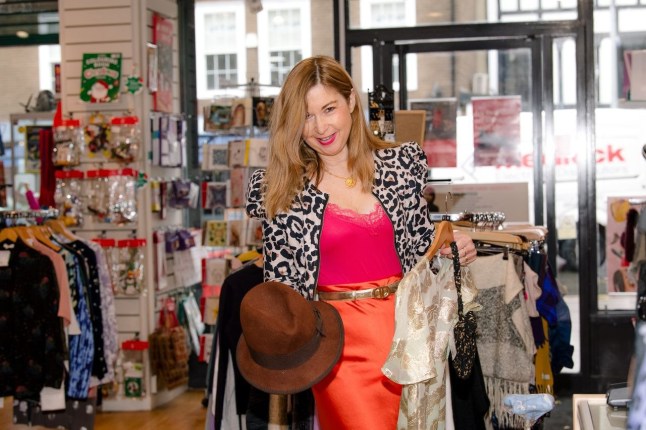
When I was four, I wore my first-ever charity shop bargain – and hated it.
It was a stiff blue wool coat that stopped me lifting my arms and a matching fur hat with bobbles that tied under my chin, from a shop called Good as New – which, to me, was anything but.
This was the 1970s – so, when everyone else was in cheerful synthetics, I looked like a miniature Edwardian governess. My mum thought she was being stylish, as well as saving money, by putting her child in a retro outfit unlike anyone else’s, but it made me squirm with embarrassment.
As I grew up, and clothing became a little more affordable, these charity shop purchases, thankfully, became more sporadic. However, I have never forgotten attending my end-of-primary-school disco in a blue woolly second-hand polar neck M&S dress – while the other tweens had boob tubes and ra-ra skirts.
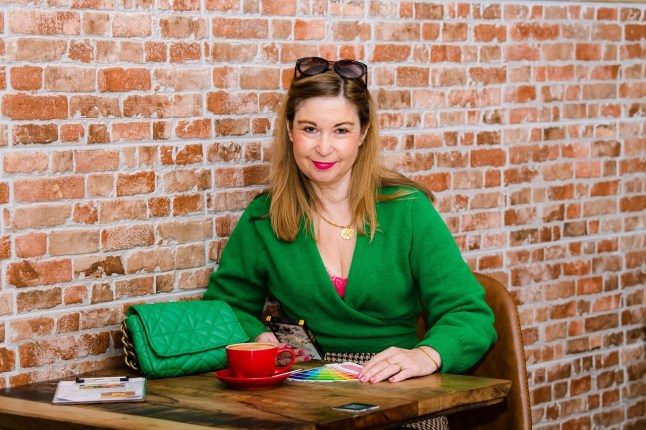
Fast-forward five decades and I’m now a personal stylist and colour analyst. And, while I never would have believed it when I was four years old, charity shops are at the centre of my work; and my wardrobe.

Best of Metro Deals
Get exclusive discounts with Metro Deals – save on getaways and spa days. Powered by Wowcher
Bannatyne Spa
Spa day for two with treatments, lunch & prosecco — save up to 57% off.

Other deals
Mystery Escape
Hotel stay with return flights from as low as £92pp — save on worldwide holiday packages.
Beach Retreat (Lanzarote)
4* Lanzarote beach holiday with flights — save up to 58%.
UK Getaway
4* Radisson Blu Durham stay with breakfast, spa access & late checkout — save 60% off.
Drive Supercars
3–12 lap supercar driving experiences from £16.99 — save up to 65%.
In fact, I could not do without them. Over 50% of my wardrobe is second-hand.
I’ve turned bargain-hunting into an art form.
Part of my love of second-hand shopping is in my DNA. I may have loathed that first coat, but I adored my second-hand Sindy doll clothes and Action Man’s horse.
But it was when my children were young that I really fell in love with charity shops. Slowly, they opened up on UK high streets with their promise of an enticing bargain – and there was always something for all of us. A dress or bag for me; books or toys for the kids.
Then there’s the guilt-free factor. Buying from my local Saint Francis Hospice or British Heart Foundation feels infinitely better than filling a basket at Westfield. I’m not claiming sainthood, but at least my slow-fashion shopping habit helps someone.

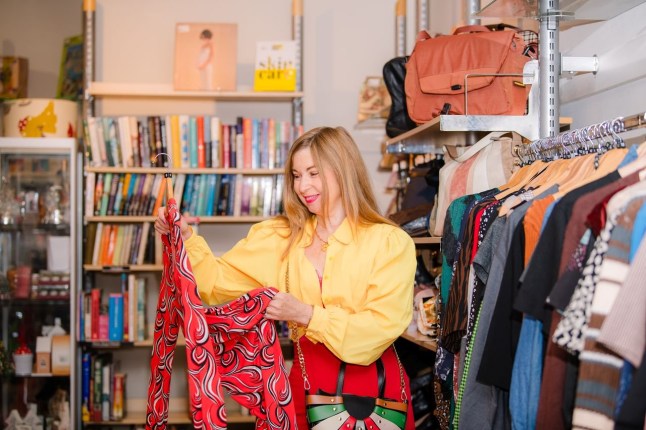
And most importantly, there’s the thrill of the hunt; that electric moment when you find the piece.
It’s taken years to hone my second-hand shopping skills, and a few questionable purchases along the way. Skin-tight see-through trousers, peculiar 90s slogan tees, and mumsy tea dresses with vice-like sleeves all spring to mind.
I’m not alone here. When I help my clients edit their wardrobes, there is nearly always a sad looking jumper – with an unfortunate print or nasty fabric – languishing, unworn, at the back of the cupboard. ‘It was just such a bargain!’, they’ll sigh.
These days, I shop much smarter. This means I always have a few things to consider: firstly, whether it’s right for my body shape. I have an hour-glass figure, so anything resembling a shift dress, which is basically shaped like a rectangle, won’t suit me.
Catherine’s top 5 charity shopping hacks:
1. Stay true to yourself and your style. If it’s too tight, too square, too shapeless, or makes you feel ‘meh’, walk away, no matter how cheap it is.
2. Location matters. If you’re in London, for high-end treasures, head to Chiswick, King’s Road, or Portobello Road. For quirky finds, try Hackney or Walthamstow.
3. Ignore the size label: I’m a 10/12, but I’ll happily consider anything from an 8 to a 14. Old sizing runs smaller, and brands vary wildly.
4. Know your colours: High street shops often sell only seasonal shades, but charity rails are a rainbow year-round. If you know which colours flatter you, it’s second-hand heaven.
5. Feel it. Literally. If it feels itchy, rough, or plasticky, it’ll drive you mad. 100% oldschool polyester is rarely worth it.
Secondly, I consider whether the colour drains me. As a Colour Analyst, I now know I suit bright, clear colours, so I won’t touch anything in black, beige or khaki.
Finally, it may have a little place in my heart; but that doesn’t mean it should have a place in my wardrobe. In order to buy something, I need to be able to imagine both when I would wear it, and what I would wear it with. If I can’t think of good answers to both these questions, it stays on the rail.
With this know-how, second-hand shopping becomes a pleasure rather than a source of dubious purchases – and now I’d take a charity shop over a high street shop every time.
My best finds include a vintage beaded bag from Loughton, brand new Zara dresses for a fiver in Devon, and a pair of heeled sandals that are so comfortable I couldn’t believe it.

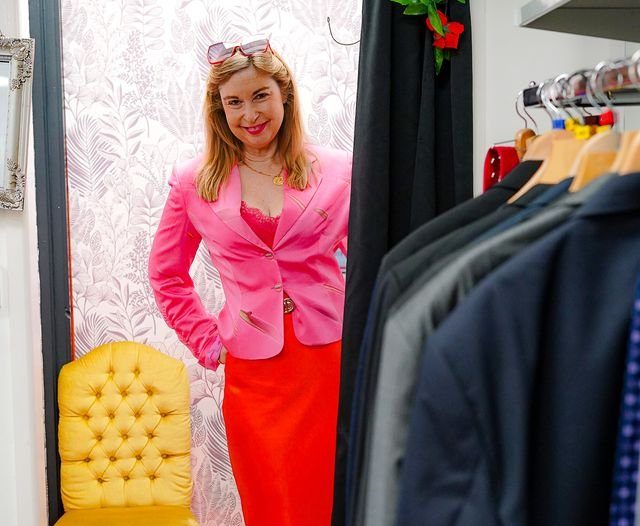
Now, I want to pass the joy of bargain shopping on to my clients; which, ironically, often involves getting rid of second-hand clothing first.
As a stylist, people approach me because they’re feeling a bit held back – personally or professionally – by what they are wearing. They need a helping hand to find the colours and styles that make them shine; and I always start by helping them have a major clear out.
I’ve found that most of us wear around 20% of what we actually own, endlessly rifling through the rest – whereas true happiness can be found in opening your wardrobe and loving everything in it.
When I help clients edit their wardrobes, I notice that charity shop and Vinted purchases are often high up on the ‘discard’ pile. This isn’t surprising, because we tend not to use the same judgement shopping second-hand as we do when investing in something new.
Consequently, we outgrow these bargain pieces much quicker.

I’ve lost track of the number of times I’ve heard people say things like, ‘Well, I know I have quite a few black tops already, but I couldn’t resist this one because it looked comfy and it was only £3.50’.
‘Yes,’ I want to reply. ‘But it’s also faded and bobbling under the arms.’ If something already has loose threads, bobbles or obvious stains, trust me: it’s not going to get any better with wear.
Instead, these bargain pieces will get outgrown quickly, and will then pile up, unused, in our wardrobes.
Once I help clients clear out what doesn’t serve them, they often ask what happens next; and, of course, it comes back to charity shops, where they will find a treasure trove of one-offs that will really help them stand out from the crowd.
Because the other great thing about charity shops is that, unlike the high street, they stock a rainbow of colours all year round.

At the moment, there’s a plethora of chocolate brown and deep burgundy on the high street.
But one of my favourite blouses is sunshine yellow, a colour that lifts both my skin tone and my spirits.
There would have been pretty much zero chance of finding something in this colour at Westfield right now, and so I’m thankful that charity shops make different colours available even in the depths of winter.
Ultimately, I’d never advise buying something just because it’s cheap – but I do advise buying second-hand and simply applying the same rules there as you would in any other shop.
Know your colours, check the fit and don’t compromise.
So next time you pop into your local charity shop, take your time, trust your instincts and enjoy the thrill of the find. There’s nothing like walking out with a bargain that makes you simultaneously look good, feel good, and do good.
Do you have a story you’d like to share? Get in touch by emailing jessica.aureli@metro.co.uk.
Share your views in the comments below.
7 Feb, 2026 | Admin | No Comments
I give expert fashion advice – but my wardrobe is mostly charity shop finds
When I was four, I wore my first-ever charity shop bargain – and hated it.
It was a stiff blue wool coat that stopped me lifting my arms and a matching fur hat with bobbles that tied under my chin, from a shop called Good as New – which, to me, was anything but.
This was the 1970s – so, when everyone else was in cheerful synthetics, I looked like a miniature Edwardian governess. My mum thought she was being stylish, as well as saving money, by putting her child in a retro outfit unlike anyone else’s, but it made me squirm with embarrassment.
As I grew up, and clothing became a little more affordable, these charity shop purchases, thankfully, became more sporadic. However, I have never forgotten attending my end-of-primary-school disco in a blue woolly second-hand polar neck M&S dress – while the other tweens had boob tubes and ra-ra skirts.
Fast-forward five decades and I’m now a personal stylist and colour analyst. And, while I never would have believed it when I was four years old, charity shops are at the centre of my work; and my wardrobe.
Best of Metro Deals
Get exclusive discounts with Metro Deals – save on getaways and spa days. Powered by Wowcher
Bannatyne Spa
Spa day for two with treatments, lunch & prosecco — save up to 57% off.

Other deals
Mystery Escape
Hotel stay with return flights from as low as £92pp — save on worldwide holiday packages.
Beach Retreat (Lanzarote)
4* Lanzarote beach holiday with flights — save up to 58%.
UK Getaway
4* Radisson Blu Durham stay with breakfast, spa access & late checkout — save 60% off.
Drive Supercars
3–12 lap supercar driving experiences from £16.99 — save up to 65%.
In fact, I could not do without them. Over 50% of my wardrobe is second-hand.
I’ve turned bargain-hunting into an art form.
Part of my love of second-hand shopping is in my DNA. I may have loathed that first coat, but I adored my second-hand Sindy doll clothes and Action Man’s horse.
But it was when my children were young that I really fell in love with charity shops. Slowly, they opened up on UK high streets with their promise of an enticing bargain – and there was always something for all of us. A dress or bag for me; books or toys for the kids.
Then there’s the guilt-free factor. Buying from my local Saint Francis Hospice or British Heart Foundation feels infinitely better than filling a basket at Westfield. I’m not claiming sainthood, but at least my slow-fashion shopping habit helps someone.
And most importantly, there’s the thrill of the hunt; that electric moment when you find the piece.
It’s taken years to hone my second-hand shopping skills, and a few questionable purchases along the way. Skin-tight see-through trousers, peculiar 90s slogan tees, and mumsy tea dresses with vice-like sleeves all spring to mind.
I’m not alone here. When I help my clients edit their wardrobes, there is nearly always a sad looking jumper – with an unfortunate print or nasty fabric – languishing, unworn, at the back of the cupboard. ‘It was just such a bargain!’, they’ll sigh.
These days, I shop much smarter. This means I always have a few things to consider: firstly, whether it’s right for my body shape. I have an hour-glass figure, so anything resembling a shift dress, which is basically shaped like a rectangle, won’t suit me.
Catherine’s top 5 charity shopping hacks:
1. Stay true to yourself and your style. If it’s too tight, too square, too shapeless, or makes you feel ‘meh’, walk away, no matter how cheap it is.
2. Location matters. If you’re in London, for high-end treasures, head to Chiswick, King’s Road, or Portobello Road. For quirky finds, try Hackney or Walthamstow.
3. Ignore the size label: I’m a 10/12, but I’ll happily consider anything from an 8 to a 14. Old sizing runs smaller, and brands vary wildly.
4. Know your colours: High street shops often sell only seasonal shades, but charity rails are a rainbow year-round. If you know which colours flatter you, it’s second-hand heaven.
5. Feel it. Literally. If it feels itchy, rough, or plasticky, it’ll drive you mad. 100% oldschool polyester is rarely worth it.
Secondly, I consider whether the colour drains me. As a Colour Analyst, I now know I suit bright, clear colours, so I won’t touch anything in black, beige or khaki.
Finally, it may have a little place in my heart; but that doesn’t mean it should have a place in my wardrobe. In order to buy something, I need to be able to imagine both when I would wear it, and what I would wear it with. If I can’t think of good answers to both these questions, it stays on the rail.
With this know-how, second-hand shopping becomes a pleasure rather than a source of dubious purchases – and now I’d take a charity shop over a high street shop every time.
My best finds include a vintage beaded bag from Loughton, brand new Zara dresses for a fiver in Devon, and a pair of heeled sandals that are so comfortable I couldn’t believe it.
Now, I want to pass the joy of bargain shopping on to my clients; which, ironically, often involves getting rid of second-hand clothing first.
As a stylist, people approach me because they’re feeling a bit held back – personally or professionally – by what they are wearing. They need a helping hand to find the colours and styles that make them shine; and I always start by helping them have a major clear out.
I’ve found that most of us wear around 20% of what we actually own, endlessly rifling through the rest – whereas true happiness can be found in opening your wardrobe and loving everything in it.
When I help clients edit their wardrobes, I notice that charity shop and Vinted purchases are often high up on the ‘discard’ pile. This isn’t surprising, because we tend not to use the same judgement shopping second-hand as we do when investing in something new.
Consequently, we outgrow these bargain pieces much quicker.
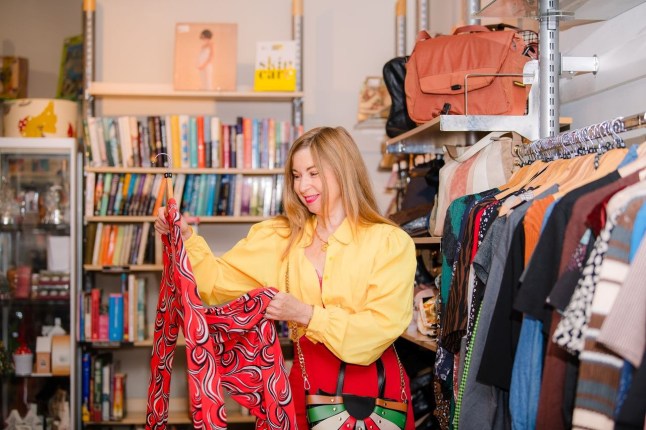
I’ve lost track of the number of times I’ve heard people say things like, ‘Well, I know I have quite a few black tops already, but I couldn’t resist this one because it looked comfy and it was only £3.50’.
‘Yes,’ I want to reply. ‘But it’s also faded and bobbling under the arms.’ If something already has loose threads, bobbles or obvious stains, trust me: it’s not going to get any better with wear.
Instead, these bargain pieces will get outgrown quickly, and will then pile up, unused, in our wardrobes.
Once I help clients clear out what doesn’t serve them, they often ask what happens next; and, of course, it comes back to charity shops, where they will find a treasure trove of one-offs that will really help them stand out from the crowd.
Because the other great thing about charity shops is that, unlike the high street, they stock a rainbow of colours all year round.
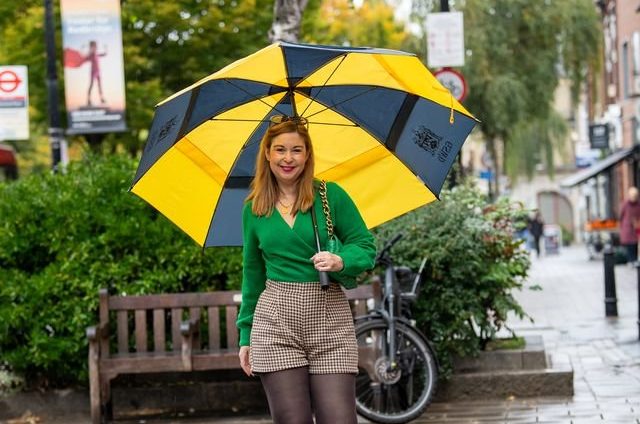
At the moment, there’s a plethora of chocolate brown and deep burgundy on the high street.
But one of my favourite blouses is sunshine yellow, a colour that lifts both my skin tone and my spirits.
There would have been pretty much zero chance of finding something in this colour at Westfield right now, and so I’m thankful that charity shops make different colours available even in the depths of winter.
Ultimately, I’d never advise buying something just because it’s cheap – but I do advise buying second-hand and simply applying the same rules there as you would in any other shop.
Know your colours, check the fit and don’t compromise.
So next time you pop into your local charity shop, take your time, trust your instincts and enjoy the thrill of the find. There’s nothing like walking out with a bargain that makes you simultaneously look good, feel good, and do good.
Do you have a story you’d like to share? Get in touch by emailing jessica.aureli@metro.co.uk.
Share your views in the comments below.
7 Feb, 2026 | Admin | No Comments
Fans rush to buy Maura Higgins’ favourite setting spray from L’Oreal Paris
Metro journalists select and curate the products that feature on our site. If you make a purchase via links on this page we will earn commission – learn more
Maura Higgins is taking the world by storm as her latest venture sees her take America as she partakes in The Traitors US alongside the likes of Real Housewives star Lisa Rinna, Olympic Figure Skater Johnny Weir, and even Taylor Swift’s Mother-In-Law Donna Kelce.
The ex-Love Islander has been continuing her winning streak of incredible outfits on the show with the likes of a head-to-toe sage green latex outfit to a dramatic leopard print cape and matching corset. However, her glam has been the most faithful thing during the series.
Besides using the likes of MAC Cosmetics Studio Fix Foundation and Nars Cosmetics Radiant Creamy Concealer, there is one product in particular that the star used that kept her look firmly fixed in place throughout the long hours of filming.
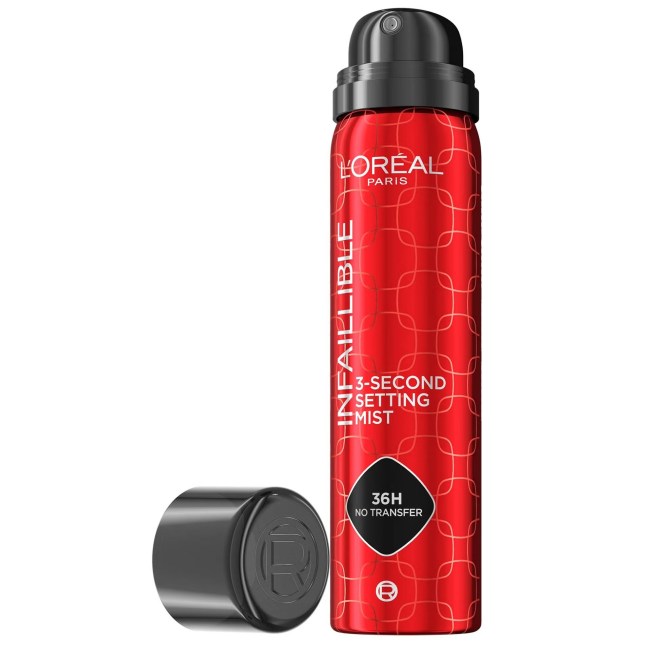
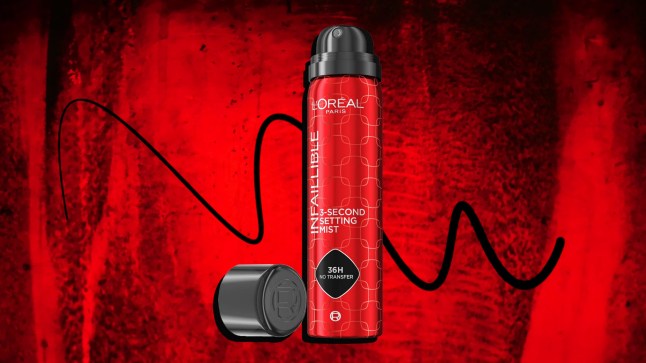
L'Oreal Paris Infallible 3-Second Setting Spray 75ml
L’Oreal Paris’ Infallible 3‑Second Setting Spray is a lightweight mist that dries instantly to keep makeup in place for hours. Its microfine formula refreshes your look while helping it stay smooth, streak‑free, and resistant to water and transfer.
Taking to Page Six’s Instagram account the 35-year-old said: ‘For me the main product I used every single day without a doubt was my L’Oréal setting spray. Because we have to do missions and you don’t get to re-do your makeup, and my makeup did not budge.’
Best of Metro Deals
Get exclusive discounts with Metro Deals – save on getaways and spa days. Powered by Wowcher
Bannatyne Spa
Spa day for two with treatments, lunch & prosecco — save up to 57% off.
Other deals
Mystery Escape
Hotel stay with return flights from as low as £92pp — save on worldwide holiday packages.
Beach Retreat (Lanzarote)
4* Lanzarote beach holiday with flights — save up to 58%.
UK Getaway
4* Radisson Blu Durham stay with breakfast, spa access & late checkout — save 60% off.
Drive Supercars
3–12 lap supercar driving experiences from £16.99 — save up to 65%.
Revealing how the L’Oreal Paris Infallible 3-Second Setting Spray is her go-to, fans were quick to share their praises as one commented ‘She literally looked Ai in every episode and the fact she’s doing the glam herself- wow 10/10 queen.’ Whilst another said ‘I need to get some of this setting spray.’
The L’Oreal Paris Infallible 3-Second Setting Spray usually retails for £9.99, but you can snap up the game-changing product for just £7.99 for 75ml. Or, you can go big with 150ml option which costs £11.99, down from £14.99
The setting spray is a lightweight mist that locks makeup in place after 3 seconds, assuring up to 36 hours of no transfer or smudging. It dries streak and spot free with a matt finish, so not to ruin or add any imperfections to your look at the last step.
It is formulated to be waterproof and sweatproof, so you don’t have to worry about getting caught in the unpredictable British weather, or running your glam during a fierce workout.
One happy customer described it as the product they couldn’t live without as they shared ‘This is the best setting spray I have ever used. Your makeup literally will not budge or transfer. Such a game changer, as I was always getting make up on clothes. The smell could be better. It is a bit like spraying hair spray on your face but it’s over within seconds so it’s well worth it.’
Follow Metro across our social channels, on Facebook, Twitter and Instagram
Share your views in the comments below
7 Feb, 2026 | Admin | No Comments
‘My husband had 22 year affair with my mum and is father of my brothers’

A pregnant woman has shared the devastating moment she walked in on her husband having sex with her own mother – and discovered the affair had been going on throughout her entire marriage

Agony aunt Coleen Nolan advises a reader with a pal who keeps asking for money to fund her partying I have responsibilities now, she says, and I’ve had to grow up. Why can’t she?
6 Feb, 2026 | Admin | No Comments
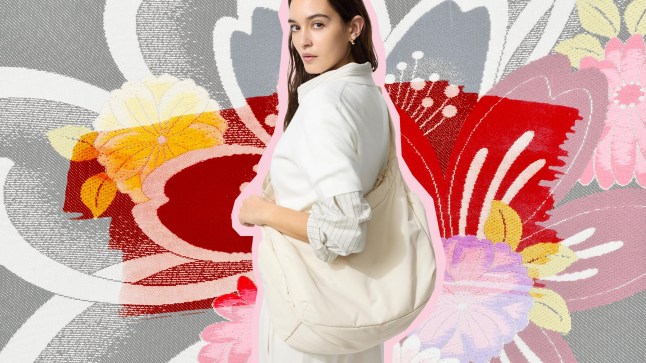
Remember Uniqlo’s viral mini bag? It’s now massive – and fans are already obsessed
Metro journalists select and curate the products that feature on our site. If you make a purchase via links on this page we will earn commission – learn more
Uniqlo took the world by storm in 2022, when their Round Mini Shoulder Bag went viral and quickly became one of the year’s bestselling bags, and the brand’s bestselling of all time, selling out on multiple occasions.
Let’s take a trip down memory lane to Spring 2022, where basically every person we saw, whether it be on a weekend walk, the commute to work, or out with friends, was sporting this new bag that was suddenly popping up everywhere.
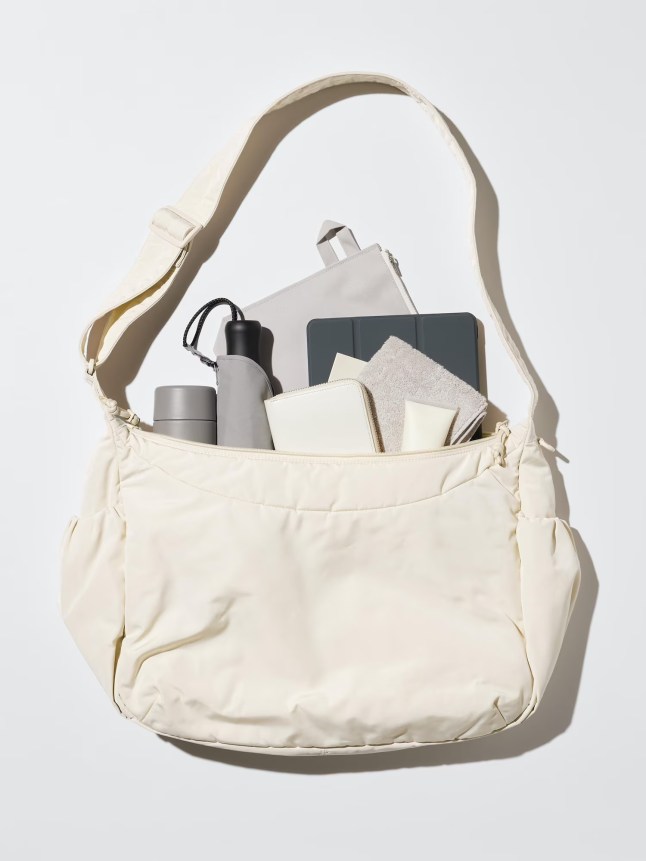
The small yet mighty bag became popular because of how much customers could fit in its small compartment. We’re talking phones, purses, waterbottles, umbrellas, makeup, the list keeps going. However, jump back to the present time in 2026, and Uniqlo has just launched a bigger version with plenty more space for all your valuables and more.
Puffy Shoulder Bag
The Uniqlo Puffy Shoulder Bag is the brand’s newer, roomier evolution of its viral Round Mini Shoulder Bag — designed to offer far more space, everyday practicality, and a clean, slouchy silhouette. It launched as part of Uniqlo’s move toward larger, more versatile “quiet luxury” accessories and quickly gained traction thanks to its size, comfort and value.
The Puffy Shoulder Bag retails for £24.90 and is set to become another best-seller for the brand as it takes the iconic shape and design of the original and blows it up to a larger size, meaning more space for us to shove our essentials into.
Best of Metro Deals
Get exclusive discounts with Metro Deals – save on getaways and spa days. Powered by Wowcher
Bannatyne Spa
Spa day for two with treatments, lunch & prosecco — save up to 57% off.
Other deals
Mystery Escape
Hotel stay with return flights from as low as £92pp — save on worldwide holiday packages.
Beach Retreat (Lanzarote)
4* Lanzarote beach holiday with flights — save up to 58%.
UK Getaway
4* Radisson Blu Durham stay with breakfast, spa access & late checkout — save 60% off.
Drive Supercars
3–12 lap supercar driving experiences from £16.99 — save up to 65%.
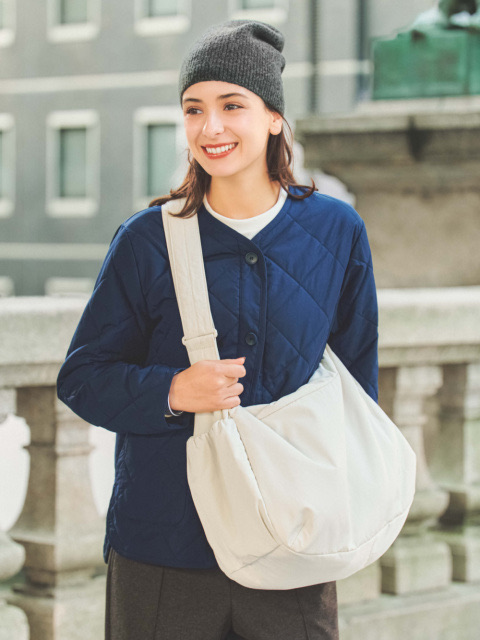
Comparing it to the original, which held 4 litres, the new version holds a whopping 24 litres, so you can fit a small laptop or tablet inside, and there’s even enough space to use it as your weekend away bag. The dimensions are listed as width (top): 44cm, width (bottom): 40.5cm, height: 32.5cm, depth: 17cm, with the adjustable shoulder strap length being 60.5cm-108cm.
You’ll find two outer and two inner pockets, and one with a fastener to keep your valuables secure, because let’s face it, we’ve all had those Mary Poppins moments when we put something inside and then lose it forever, so thank you, Uniqlo, for all of the pockets.
It is available in either black, brown, or natural and is made from 100 per cent polyester and comes with a water-repellent finish, which in the British weather is a godsend. Whereas the puffy style added extra padding for comfort.
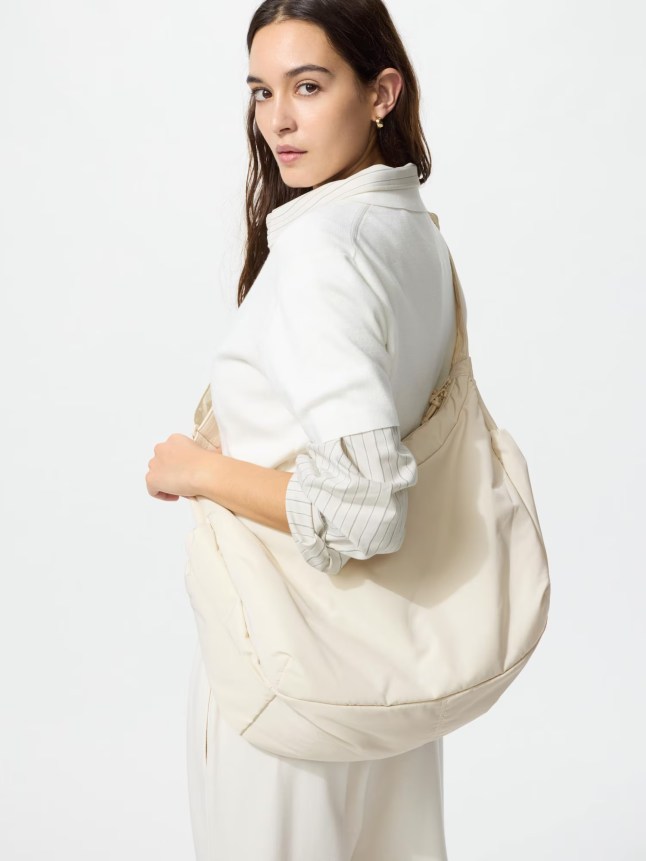
The unisex slouchy design is the perfect casual style to pair with your everyday outfits. Let it be the finishing touch to a bomber jacket, t-shirt, and wide-leg jeans, or sport it with a slip dress layered over a cosy knit and knee-high boots.
Follow Metro across our social channels, on Facebook, Twitter and Instagram
Share your views in the comments below

Agony aunt Coleen Nolan advises a reader who has revealed a lack of interest in their children from their in-laws. They’re both retired, she says, so have plenty of time…
6 Feb, 2026 | Admin | No Comments
Neuroscientist says always look into someone’s left eye when talking to them

The expert says it can boost natural bonding and create strong emotional resonance with someone
6 Feb, 2026 | | No Comments
Prince Harry reveals military patches on display in $29m Montecito mansion – watch
Prince Harry revealed the military patches on display in his and Meghan Markle’s $29 million Montecito mansion.
6 Feb, 2026 | Admin | No Comments
Jo Malone Valentine’s gift set contains ‘classic’ scent fans say they ‘buy on repeat’
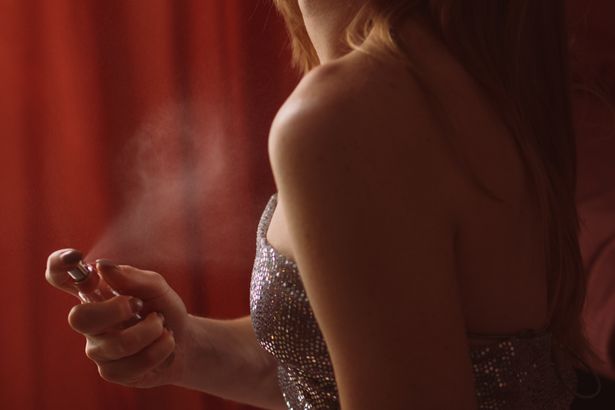
‘This cologne is effortlessly charming and feminine, ideal for everyday wear or a special occasion’