29 Oct, 2025 | Admin | No Comments
Sir Tom Jones' Thames-view apartment was late wife Linda's final wish

The Voice star Tom Jones started afresh after his late wife Linda died and moving 5,000 miles was all in her honour – read more
29 Oct, 2025 | Admin | No Comments
Duchess Sophie just wore a 'rare royal look' – and it's one of her edgiest
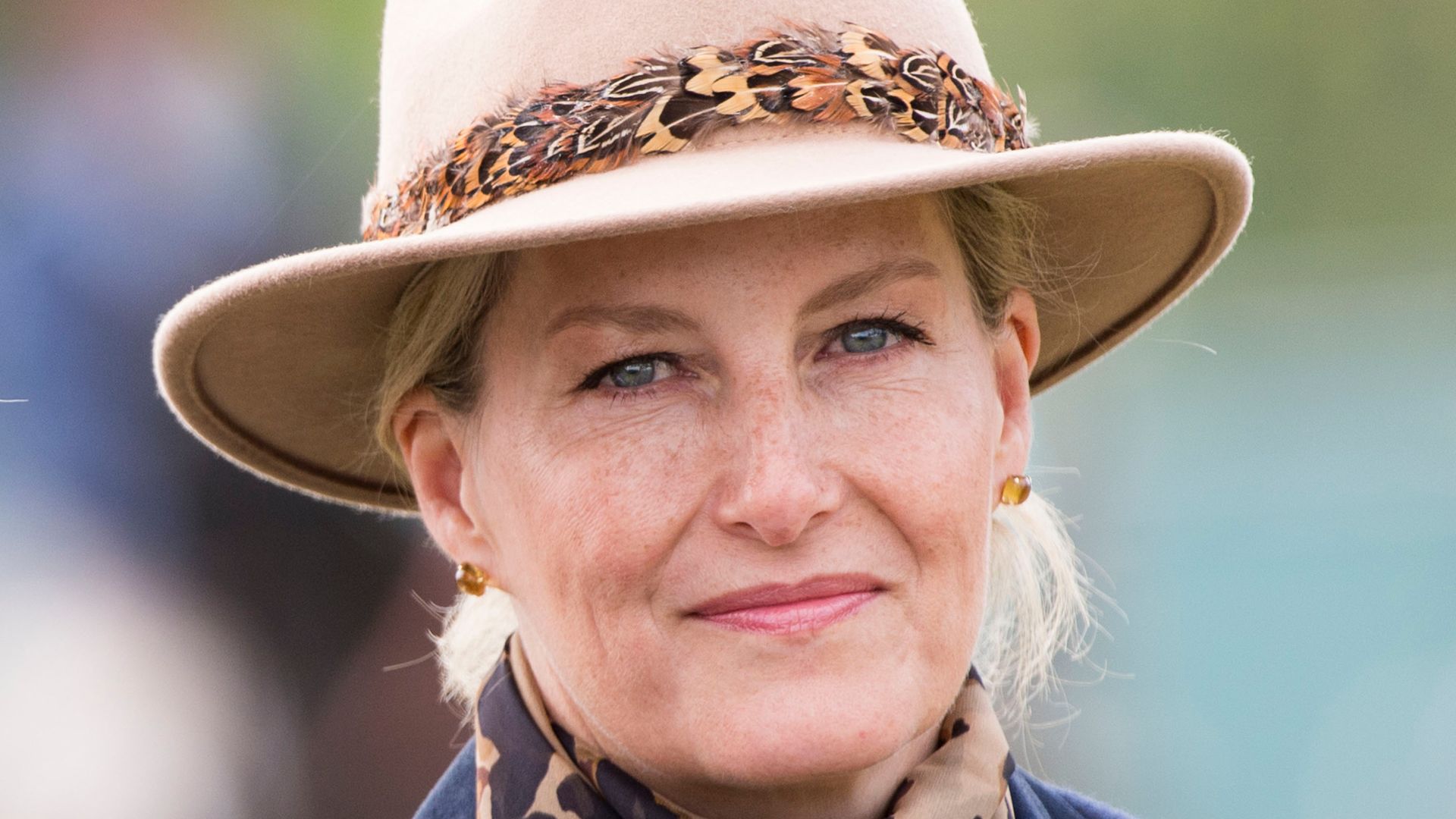
Duchess Sophie conveyed ‘understated authority’ in her edgiest look of autumn 2025 so far, for a visit to Purdey at the Royal Berkshire on Monday, 27 October.
29 Oct, 2025 | Admin | No Comments
Princess Beatrice wows in humble Zara blazer – at ultra-exclusive Riyadh hotel

Prince Andrew’s eldest daughter, Princess Beatrice, was pictured at the Ritz Carlton Hotel, Riyadh – an exclusive establishment. Sarah Ferguson’s daughter wore a polka dot skirt and a white Zara blazer.
29 Oct, 2025 | Admin | No Comments
Supermarket price change at Tesco, Sainsbury’s and more branded ‘ludicrous’ by shoppers
From technological advances to food innovation, supermarkets are always introducing changes in stores.
Some of these prove a hit with shoppers, but others haven’t been received so well – like the removal of manned checkouts, which sparked major backlash around the UK.
Each week there’s seemingly something new happening at the big retailers, and right now the topic that’s got everyone talking is bags for life.
That’s because the likes of Tesco and Sainsbury’s have recently raised the prices of their cheapest bags for life, in a move shoppers have branded ‘ridiculous’ and ‘a joke’.
Supermarkets have been required by the government to charge a minimum of 10p for a ‘returnable multiple reuse bag’ since May 2021, and the bag has to be ‘replaced free of charge’ when it’s worn out.
However, most supermarkets are now charging triple this amount, with prices rising even higher over the last few weeks.
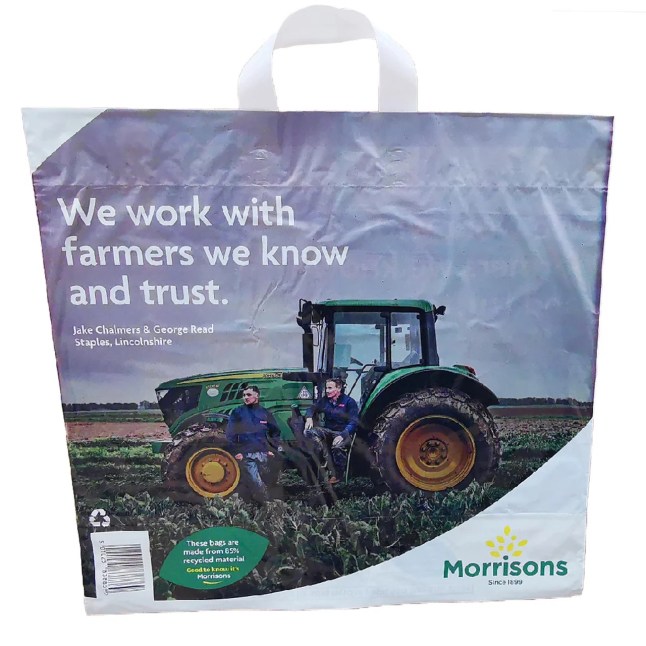
Who has the most expensive reusable bags?
Waitrose has the most expensive reusable bag, a Durabag which costs £1.
This is followed by Morrisons, where bags for life are 60p each and a paper bag for life is 40p.
Both Sainsbury’s and Tesco have raised their bag for life prices from 30p to 40p this month, with Tesco’s price change coming into effect as of today (October 29).
Asda also charges 40p, with Lidl’s bags costing 30p and Aldi selling a range of bags, including a 10p compostable bag, a 30p Eco-loop bag and a Durafold bag for life that’s 65p.
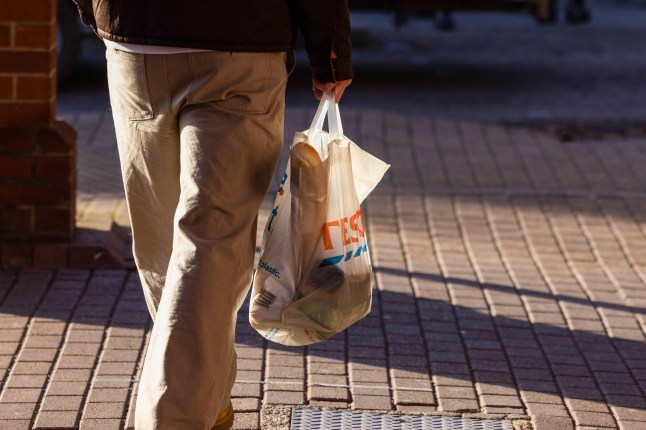
A Tesco spokesperson told Metro: ‘Our cheapest Bags for Life cost 40p and are made of 100% recycled plastic. They can be reused many times, and if they become worn out can be replaced for free at our customer service desks and recycled again.’
The retailer claims the increased price is intended to ‘encourage customers’ to bring their own shopping bags with them ‘to cut down on plastic’, but they still sell a range of reusable bags in case they are needed.
Sainsbury’s price change was first spotted earlier this month and shared on the Costoflivingcrisis Tips group on Facebook.
A photo from October 8, shows a sign at the checkout in a Sainsbury’s store, which reads: ‘Our bags for life are now 40p, but you can still exchange your old bags for free.’
A Sainsbury’s spokesperson revealed the price had remained at 30p for three years, but they’d recently updated it in order to ‘balance rising costs’.
They added that all profits from the sales of the bags are ’donated to good causes’.
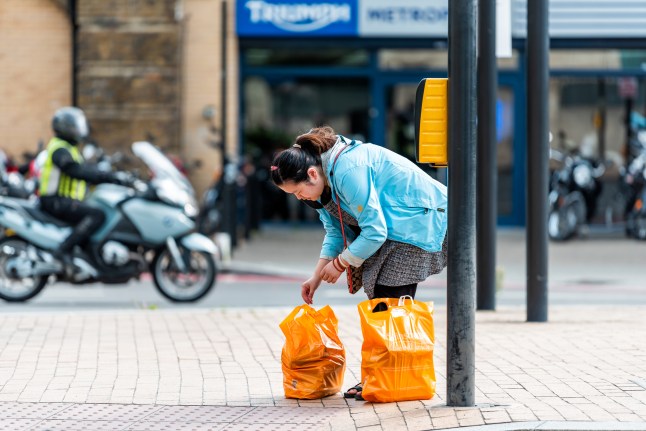
Despite some retailers donating the profits to charity, many shoppers aren’t happy about parting with more money.
In response to a post on Facebook, people shared their thoughts, with a user known only as Gary Gary writing: ‘Should be no more than 5p.’
Similarly, Connor Evans said: ‘What a joke FFS. It’s ridiculous.’
While, Ryky Darling commented: ‘That’s ludicrous.’
Maria Leo agreed, sharing: ‘What a joke. I remember when they were free and then for 5p.’
Anne Evans also thought the bags should be ‘free’ as with branding on people are ‘advertising’ for the retailers.
The price of bags at Morrisons also upset shoppers, with Adam Green saying he ‘couldn’t believe’ it, adding a nauseous emoji and Kyle Mullinder saying: ’60p in rip off Morrisons’.
However, not everyone had an issue with the price of bags as they thought people should simply bring their own from home if they didn’t want to pay.
‘People are complaining. Just take your own bags. That was the whole purpose of bag charges: to encourage people to use reusable bags,’ Jasmine Thompson pointed out.
Lewis Farley also shared some tough love, saying: ‘Ultimately, start adapting and stop whining. The wasteful nature of Gen X and prior is still prevelant unfortunately.’
Mhari Gibbons claimed: ‘I’ve been using my own bag for over 20 years, if you keep using your own bags, it just becomes second nature. I’m not talking about those s***ty plastic ones, I’m talking about good quality camvas folding ones. I’ve got a good Superdrug one ATM. I prefer them as they hold more stuff and don’t disintegrate.’
And Louise Hilton added: ‘Simple solution, pay or make more effort to take your own. Really not difficult.’
Do you have a story to share?
Get in touch by emailing MetroLifestyleTeam@Metro.co.uk.

See Prince Harry and Meghan Markle’s pumpkins and discover the sweet tradition for Prince George, Princess Charlotte and Prince Louis each Halloween
29 Oct, 2025 | Admin | No Comments
This new denim collection is the perfect balance of cool and chic: 7 items I’m shopping

Women-led label Aligne is famed for its denim – and for good reason. Dresses, jeans, skirts, vests and more, see the standouts from the AW25 drop…
29 Oct, 2025 | Admin | No Comments
This supermodel-inspired co-ord is the 90s vibe you need in your winter wardrobe

British fashion label No Emotions has released a brand new co-ord, inspired by Kate Moss. Here’s where to shop it and how to style it…
29 Oct, 2025 | Admin | No Comments
Get cosy toes in seconds with energy-efficient electric foot warmer shoppers say ‘makes winter bearable’
Metro journalists select and curate the products that feature on our site. If you make a purchase via links on this page we will earn commission – learn more
The nights are drawing in which means more of us are curling up on the sofa to relax and tune into a TV series than venturing out and about.
But when you’re spending more time inside, energy costs can quickly add up. That’s why we’re constantly on the lookout for ways to save money while staying nice and warm and cosy – and one clever gadget is quickly becoming a winter essential.
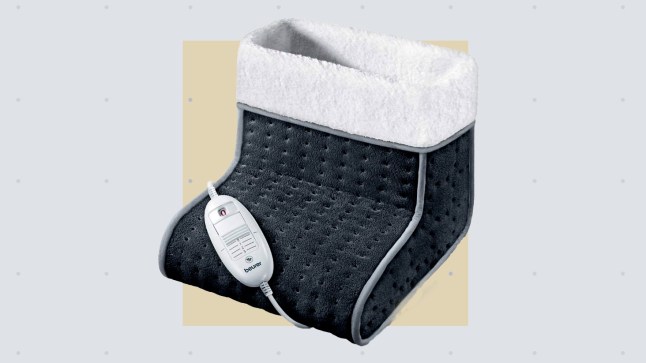
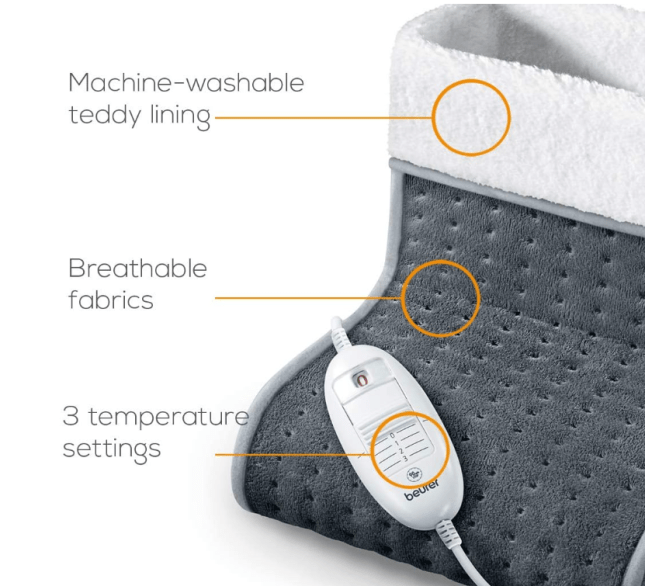
Say hello to the Beurer FW20UK Cosy Foot Warmer. This electric foot warmer is getting rave reviews for turning chilly evenings into snuggly bliss, without turning up the thermostat.
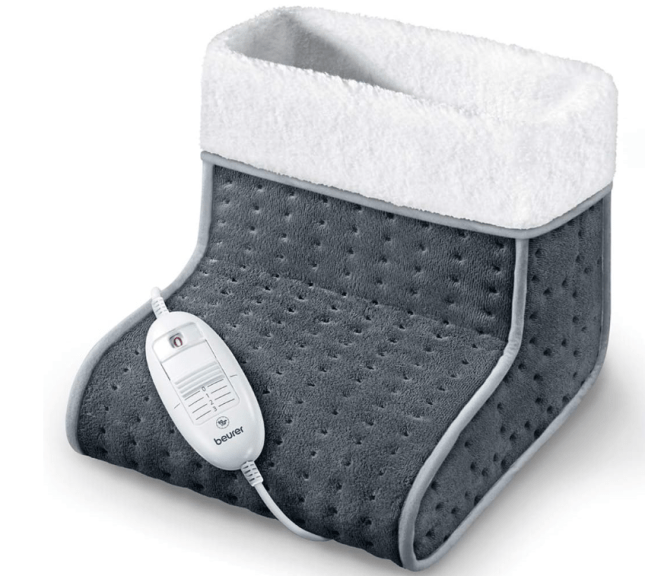
Beurer FW20UK Cosy Foot Warmer
The Beurer FW20UK Cosy Foot Warmer is a game changer for those with permanently cold feet or bad circulation. Featuring a machine washable fleece lining, easy-to-use slide control switch, three temperature settings that warm it to a toast 45-50ºC and 90 minute safety switch-off timer, it’s a cost-effective way of staying warm without turning on the heating.
Made from a super-soft but breathable grey teddy fleece, this electric foot warmer features an easy to use slide control switch, three adjustable heat settings and rapid warm-up function that allows it to heat up to a toasty 45-50°C.
Perfect for those with cold toes or poor circulation, it’s easy to slot your feet in whether you’re sitting or lying and fits up to shoe size 12.5.
Don’t worry about turning it on and drifting off either, its timer function means it automatically switches off after 90 minutes to keep you safe.
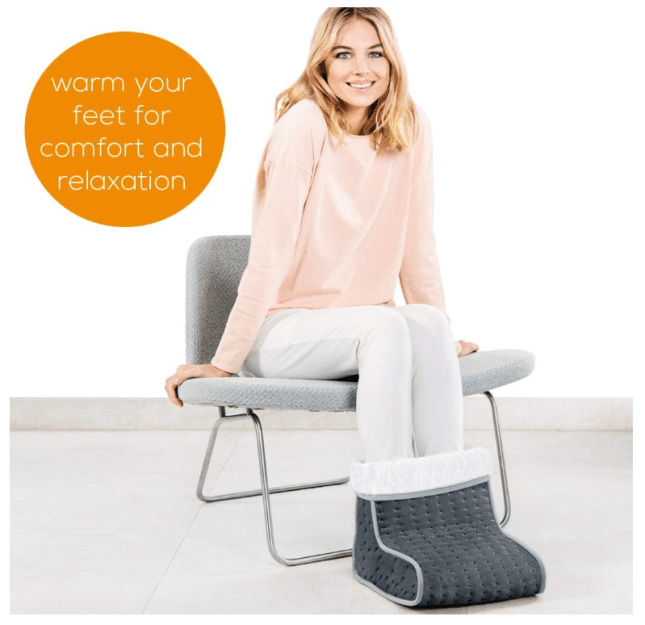
With a machine-washable teddy lining, it’s easy to keep clean too. Just whip the lining out and pop it into a 30ºC cycle, dry and replace.
At around 7p per hour to run, it’s also a smart alternative to switching on the central heating. With energy prices still a concern for many households, this is a small investment that could make a big difference in your comfort and your bills.
Previous buyers are already singing its praises. One shopper called Sue wrote: ‘I bought this foot warmer 4 years ago and have used it virtually every day since (just not in heatwaves). It’s very important in my life and I love it to pieces. I’d come back into a burning house to rescue it.’
A five-star review left by an anonymous shopper said: ‘So glad I invested in this product. I say invested because it saved me a fortune while relaxing or watching TV. I no longer have the heating on so much or so high when the main part of me that’s getting cold is my feet.
And a review from Annie reads: ‘My husband has very poor circulation which means his hands and feet are always cold. This has been a real issue when we sit down in the evening to watch TV. I bought this for him as a Christmas present and it works really well. He says it’s the best present ever!’
Don’t dread the winter, with a few heating hacks you can keep yourself warm and cosy and the energy bill low.
Follow Metro across our social channels, on Facebook, Twitter and Instagram
Share your views in the comments below
29 Oct, 2025 | Admin | No Comments
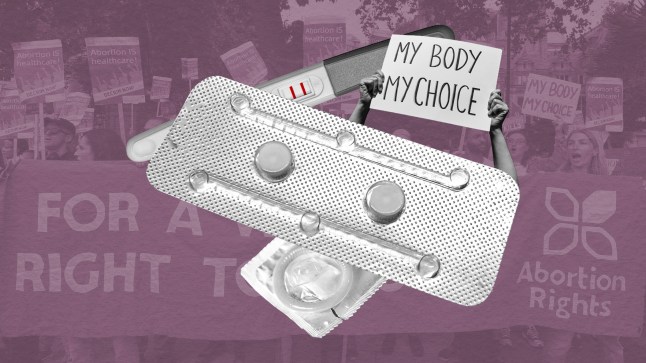
Emergency contraception is now free in the UK — finally, a win for women
The girlies have gathered together, we’ve compared notes, we’ve swapped stories, and we’ve come to the conclusion that 2025 so far has been a total flop.
From the manosphere going mainstream to Donald Trump – the first US president to be found civilly liable for sexual abuse – starting his second term in the White House, we’re catching a lot of strays at the minute, so any wins that come our way need to be celebrated.
And this one is kind of a biggie.
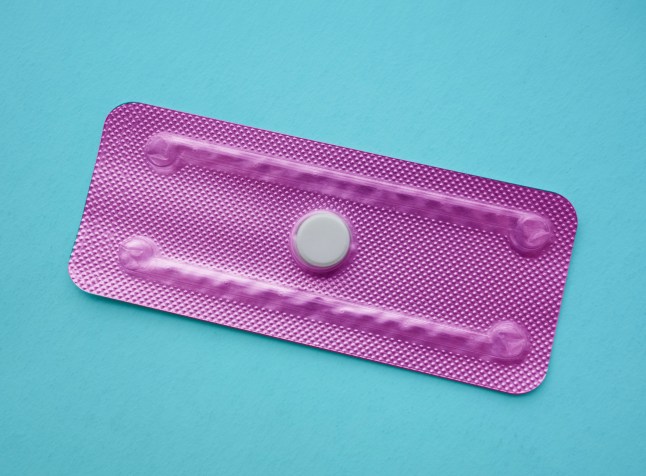
From today, October 29, 2025, you’ll be to get emergency contraception completely free of charge from your local pharmacy in England.
Previously, you had to visit your GP or a sexual health clinic to obtain the morning after pill for free, while if you went to the pharmacy, you’d be paying up to £30.
According to Health Minister Stephen Kinnock, many have had limited access to effective contraception due to an ‘unfair postcode lottery,’ but thanks to this move, all women can receive this essential healthcare, ‘regardless of where they live or their ability to pay.’
He told Metro: ‘There is a big piece here which is about enabling women to be in control.
‘They may well have used contraception that didn’t work, anything that relates to an unwanted pregnancy. It enables them to have that choice and to take that decision.
‘To be able to do that in a far more community-based and trust-based environment, coming in to chat with their local community pharmacist -that is a really important part of this government’s commitment to women’s health.’
Janet Morrison, chief executive of community pharmacy England, tells Metro: ‘Providing emergency contraception through community pharmacies is a fantastic move for widening access and convenience for patients across the country.
‘Allowing regular supply of oral contraception from pharmacies has been well received, so building on this to now include emergency contraception is a natural step.’
When news that this initiative would be rolling out across the UK was first announced back in March, hundreds of women shared their approval on social media.
Dr Olu, a TikTok creator, said it was ‘about bloody time’ and that ‘the government had done something right for once!’
Emphasising the importance of this, X user SamanthaSRH wrote: ‘This is not just policy. It is a big step for choice, fairness and ending postcode lotteries in reproductive healthcare.’
Any update on male contraceptives?
A lot of the time, it feels like the responsibility for not getting pregnant lies solely with women – when there’s (usually) two people involved in sex.
Chat about male contraceptives has been growing in recent years, with research into options like a pill that pauses sperm production looking promising.
In our interview, Stephen Kinnock said he and the government ‘fully support these innovations’, calling balanced relationships a ‘really important part of our equality agenda’.
He said: ‘If there is research and development and innovation in the field of contraception, that can only be a good thing.
‘It’s also right in terms of the cause of equality that we all believe in, that both sides of the relationship take responsibility for what is a really important part of that relationship. It shouldn’t just all be the responsibility of the woman.’
How accessible is emergency contraception in other parts of the world?
Access to the morning after pill differs dramatically depending on where you are in the world.
In February 2024, the annual European Contraception Policy Atlas report found that the four best performing countries are Luxembourg, the UK, France and Belgium.
The report doesn’t focus specifically on emergency contraception – rather it gives countries a percentage score based on access to supplies, access to counselling options, and the information available for citizens.
The UK received a score of 94.1%.
Which countries in Europe have the worst access to contraception?
- Poland – 33.5%
- Hungary – 40.00%
- Armenia – 40.70%
- Cyprus – 42.1%
- Turkey – 42.2%
- Russia – 42.8%
Outside of Europe, the United States has definitely become one of the most difficult places to access effective reproductive healthcare.
Abortion is currently banned in 11 states – with either no or limited exceptions. A number of other states also enforce extremely restrictive policies regarding at what point in the gestation period an abortion is permitted.
That being said, as of right now, the contraceptive pill is still available in all 50 states.
Some US retailers such as Target and Walmart did start limiting and scaling back on stock following the Supreme Court’s overturning of Roe v Wade in 2022, but the medication is still accessible.
In slightly lighter news however, residents of Japan recently scored a massive win when over-the-counter emergency contraception was finally introduced – giving women the ability to access the morning after pill without needing a prescription.
ASKA Pharmaceutical, driving this crucial change forward, stated this was a ‘significant step is being taken to empower Japanese women in the area of reproductive health.’
Wherever you are in the world, access to emergency contraception isn’t just about where you can locate it, but also whether or not it’s going to break the bank.
This move from NHS England will have an incredibly positive impact on thousands of women, and it’s a decision we should take time out of our day to celebrate.
Do you have a story to share?
Get in touch by emailing MetroLifestyleTeam@Metro.co.uk.

Upgrade your winter wardrobe with must-have velvet dresses – perfect for festive style, holiday fashion, and Christmas party outfits.