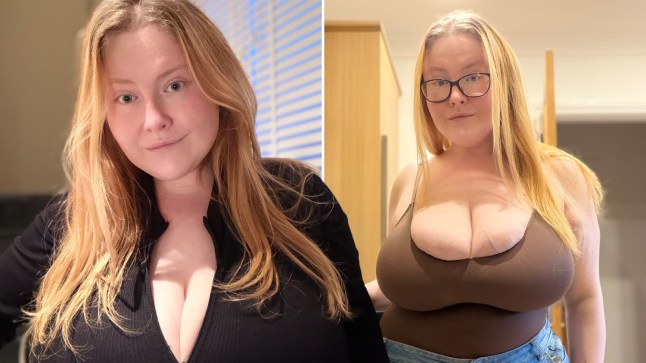
When Tianna Moon was just 13 years old, she says it was standard for men leer at breasts, honking their horns as she walked home from school.
‘It’s become so normal to me, I don’t even notice it anymore,’ she says.
‘When I go out in public I try and make then smaller than they are and strap them up – I get stares and double takes.’
Now, aged 30, Tianna measures in at a 34NN, and at 14st, she carries around 2st 11lb of that weight on her chest.
Now, she’s learnt the case of her unusually large breasts, after being diagnosed with a rare condition called gigantomastia, a severe form of macromastia, which causes excess breast tissue to grow rapidly.
Tianna, from East Anglia, only learnt of her condition when she began taking weight-loss drug Mounjaro, and noticed that, while her body was getting slimmer, her breasts were actually growing.
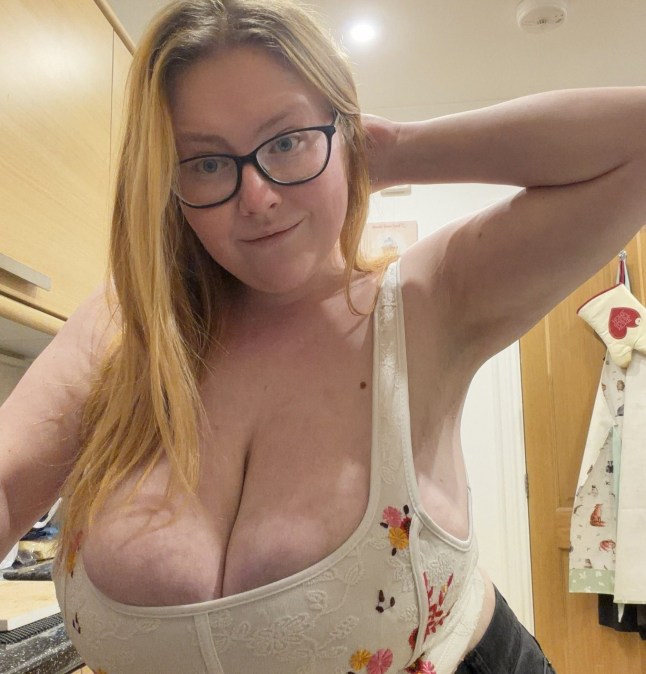
Having had large breasts since her teens, Tiana reels off a long-list of challenges that come with them.
‘The side effects are having numb arms quite a lot and having quite severe indentations on my shoulders,’ she explains.
‘I have some light scarring under my breasts where bras have rubbed and ripped the skin open.
‘Also laying on my back is not something I can do for a long period of time as it restricts the amount of air flow I can get in.’
Tianna also adds that ‘bras are impossible’ to find, saying she is left buying the biggest possible bra she can find, and ‘making it work’.
But it was only when she started taking Mounjaro in May 2024, that she finally started to get some answers. In a year, she quickly lost three stone – but in that time, her breasts grew from an L cup to an M cup.
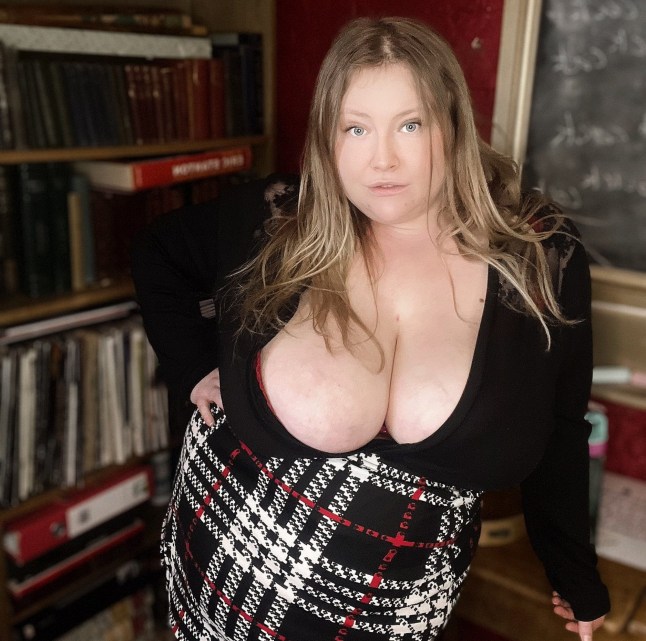
Noticing that it was ‘odd’ her boobs were growing at such a fast pace, she started searching online in medical discussion groups. After doing some digging, she eventually ‘stumbled across’ gigantomastia, which seemed to match her symptoms more closely.
And, a visit to her GP in July 2025 confirmed her own suspicions.
‘Originally he was looking at macromastia but when I broke down medical history, the weight loss on Mounjaro and the increased growth and side effects, he was point blank like “this is gigantomastia”,’ says Tianna.
With only 300 cases recorded, Tianna joins a small group of people afflicted with this condition.
However, Tianna has decided to use her larger breasts to her advantage.
Already an OnlyFans model, after joining the site in 2021 when a head injury left her unable to work, Tianna now makes £10,000 a month off admirers of her fuller bust.
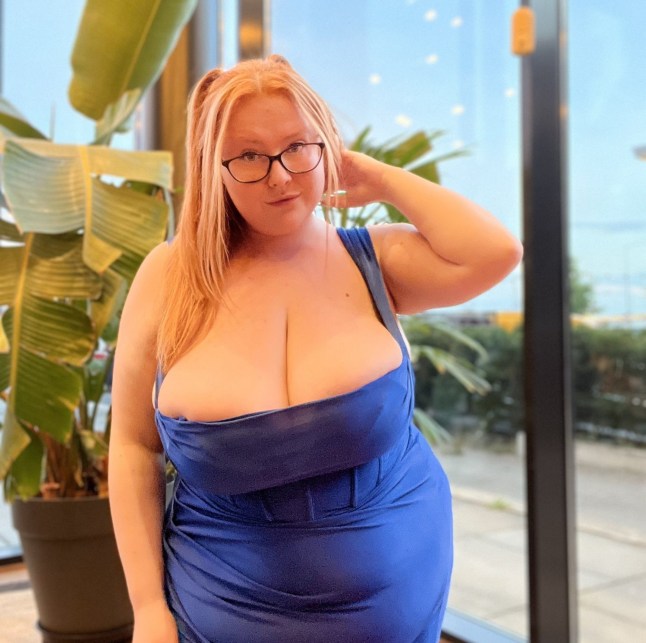
‘I might as well try and reap the benefits of my medical condition rather than the negatives,’ she explains.
In fact, she adds ‘as [my boobs] got bigger it was actually a subscriber who said you need to get remeasured because you are not the size say you are. That’s when I stared monitoring them.’
But not all the attention she receives in positive.
She said: ‘People are telling me it’s disgusting I’m not having a reduction and that I’m basically begging for attention.’
Tianna has looked into a breast reduction, but says there is ‘no guarantee’ her breast tissue won’t grow back.
She underwent a gastric sleeve in November 2025 to help ‘protect her back’, and has been referred for physiotherapy to help with any further pain.
‘When I was younger I hated the attention but now I just think they could be a potential buyer, and my subscribers aren’t creepy, they genuinely love my breasts and support me.’
O-cup breasts: 'I swim a lot because I’m weightless so it’s a relief'
Metro recently also spoke with Summer Robert, 25, another young womanwith gigantomastia.
Measuring in at around a 30N or 28 O-cup breast size, depending on the shop, Summer carries around approximately 25kg of weight on her chest every day.
Having been refused a breast reduction due to her BMI, Summer has pursued an OnlyFans career, growing a loyal following who support her and help her feel confident in her skin.
In order to cope with the excess weight of her breasts, Summer wears a doctor-prescribed corset.
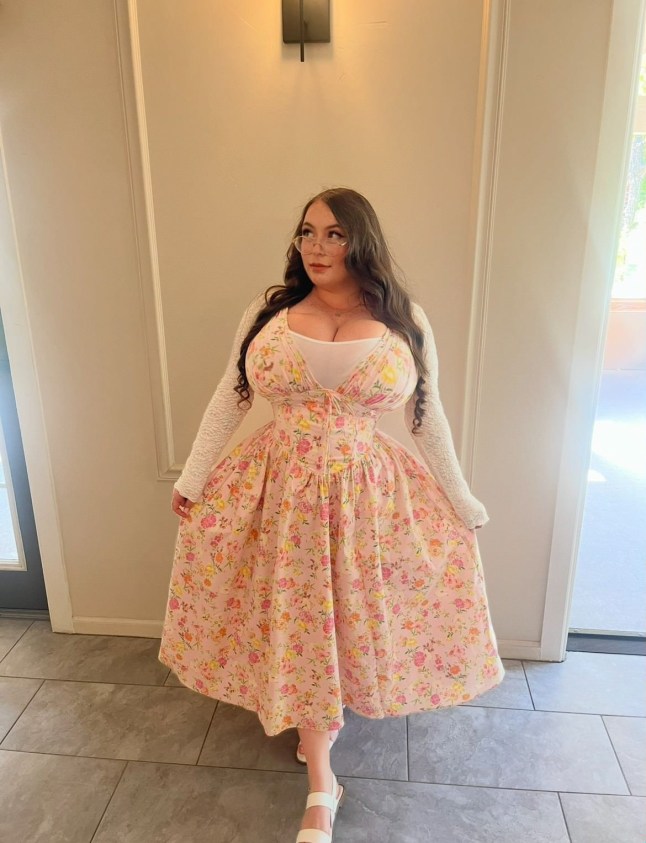
‘I’ve worn one since I was 16 because if I’m walking my back feels like it’s broken – it’s so intense and painful,’ she says. ‘If I’m washing up or cleaning my house, I have to wear a bra because of the sheer weight of them.
‘I swim a lot because I’m weightless so it’s a relief, but then I get out the pool and it feels horrific.’
She can’t go to the gym, go for a run, or find a bra that doesn’t cost her £400, but despite these drawbacks, Summer has turned her large breasts into a positive.
To learn more about Summer’s story, read Metro’s full interview.
Do you have a story to share?
Get in touch by emailing MetroLifestyleTeam@Metro.co.uk.
2 Feb, 2026 | Admin | No Comments
Doctor shares 103-year-old patient’s ‘secret’ to living long and happy life

A centenarian has revealed what they believe could be the ‘secret’ to a long life
2 Feb, 2026 | | No Comments
This is how long you should be able to hold a plank for, according to your age

Along with burpees and split squats, the plank is one of those exercises that no one really like doing.
No matter how long you’ve been horizontal for, holding one feels like an eternity. Seconds turn to hours as your body start to shake and your brain screams: ‘Stop this NOW.’
The annoying thing though, is that this core strengthening exercise is undeniably effective. But just how long are you meant to be able to hold it?
The record for the longest plank was set by Josef Salek from the Czech Republic in May 2023 — an unbelievable 9 hours and 38 minutes, around an hour longer than a flight from London to New York.
Muscles aching just thinking about it? Well, thankfully, the average person doesn’t need to spend a full day in agony.
Rowan Clift, training and nutrition specialist at Freeletics, tells Metro that the exercise is about ‘quality, not quantity’. However, there are some parameters, depending on your age, which can be a useful guideline for your next workout.

Aged 20-39: 45-60 seconds
‘In your 20s and 30s, being able to plank for 45-60 seconds is a solid marker of good core endurance,’ says PT Joseph Webb, who has been in the fitness industry for 17 years.
But, Joseph adds: ‘The purpose of a plank isn’t to chase an arbitrary number. It’s to build usable core stability that supports what you want to do outside of the gym.’
It might take some trial and error achieving a plank. As a starting point, put yourself in the position of, well, a plank. Use your forearms and toes to hold yourself parallel to the ground, with your back and legs straight (not arched).
Joseph adds it’s important to ‘keep hips level with shoulders, squeeze glutes and engage thighs, and maintain a natural neck position.’
He says: ‘Brace your abdominals as if preparing for a punch, but keep your breathing fluid, as if you’re sitting on the couch.
‘Sagging hips, flared ribs or strained shoulders mean you’re no longer training the muscles you think you are.’
Ages 40-59: 30-45 seconds
Joseph says: ‘From my experience working with hundreds of clients in this age range, I’ve found that maintaining a 30-45 second plank with excellent form demonstrates very respectable endurance and trunk stability.’
That doesn’t mean you can’t push yourself though. ‘If you’re able to confidently reach 60 seconds, that’s generally a sign of excellent core control for this age group.’
Adjusting to the technique can be more difficult as you age, however. This can be due to various reasons, including loss of muscle mass and strength.
‘As muscles around the hips, pelvis and spine weaken, or become less coordinated, it takes more effort to stabilise the plank position,’ says Joseph.
‘Those in this age category may also find planking difficult due to joint stiffness or previous injuries, which can make it harder to hold a rigid position.’
Age 60+: 15 to 30 seconds
Joseph advises his clients aged 60 and over to aim for 15 to 30 seconds of a full plank with good form.
‘If you can build up to 30 seconds, that’s an excellent marker of strong functional core endurance at this stage of life.’
Rowan adds that if you’re 60+ and finding the plank difficult, you can modify the exercise to make it a little easier.
He explains: ‘Plank on the knees or with hands elevated on a bench to build strength while reducing pressure on the wrists, shoulders and lower back.’
Find the plank too challenging? Here are some alternative exercises
There are plenty of other core exercises Joseph recommends to people who find planks too challenging, especially for those aged 60 and over.
These include
- Incline plank: Hands on a bench or countertop reduces the load but still engages the core well.
- Kneeling plank: Drop to the knees to reduce the leverage demands while keeping the core braced.
- Bird-dog exercise: On all fours, extend opposite arm and leg while maintaining a stable trunk. Great for core, hips, and back.
Remember: quantity over quality
The most important question to ask yourself is: What’s the goal?
Joseph explains: ‘The purpose of a plank is to to build core stability that supports what you want to do outside of the gym.
‘Whether that’s running, lifting or simply moving well in daily life, the question is: “Is my core doing its job when I need it?”.’

How often should you plank?
Rowan advises incorporating planks into your workout regime three to five times a week. He says: ‘Your core benefits from regular activation, but you do also need to allow time for rest and recovery.
‘Performing planks daily can be fine, especially if you are varying the intensity and duration, but if you’re experiencing fatigue or tightness, have at least one day’s rest.’
You should be careful of pushing yourself too much, Rowan adds. ‘If you experience shaking, holding your breath, pain in your lower back or shoulders, or your hips begin to sag, it’s time to stop. These are signs that muscles have fatigued and your form is breaking down.’
How do you match up to your age mates?
- Some people wake up bursting for the loo multiple times a night, while others can go for a full working day without so much as a single trip to the loo. Where you sit on this scale can say a lot about your overall health.
- If a plank feels a bit too strenuous, why not make like a flamingo, and simply stand on one leg. Research reveals that the length of time you can balance can give an insight into how your ageing.
- People can be pretty secretive about how much money they have in the bank, which means it can be hard to work out if you’re rolling in it, or positively skint. Metro did some digging, to determine the average amount Brits have in their savings, broken down by age group.
This article was originally published in May 2025 and has since been updated.
Do you have a story to share?
Get in touch by emailing MetroLifestyleTeam@Metro.co.uk.
2 Feb, 2026 | Admin | No Comments
Charlotte Tilbury fans who spend £41 get ‘miracle’ Magic Cream for less than £7

Containing much-loved skincare treats, the Charlotte Tilbury x Genshin Impact beauty box is currently on offer
2 Feb, 2026 | Admin | No Comments
Boyfriend films romantic proposal by Eiffel Tower but fumes when he watches it back

A man set up his camera to capture the moment he proposed to his girlfriend in front of the iconic Eiffel Tower light display but when he checked the footage, it wasn’t what he’d been expecting
2 Feb, 2026 | Admin | No Comments
A world where dementia no longer devastates lives is ‘finally within reach’

In 1979, I met two extraordinary women, Cora Phillips and Morella Fisher. Both were former carers for their husbands who had young onset dementia, and we all shared a bold ambition to create a world without the disease.
The catalyst for our meeting was Professor Alan Davison, neuroscientist at The National Hospital for Nervous Diseases in London, who I was collaborating with on research into the biochemical changes in the brain in Alzheimer’s Disease.
Professor Davison and I had been discussing establishing an organisation to promote Alzheimer’s research when Cora contacted him after hearing him speak on the radio, and asked Professor Davison to support forming a society to improve care for people affected by dementia.
He suggested we meet, and Cora invited me to her home in Hindhead, where I also met herlate husband’s neurologist, Anne Hunter.
We agreed to establish a steering committee meeting in people’s homes in Surrey which put together a constitution for the ‘Alzheimer’s Disease Society’, as it was then called.
Unknown to us, Morella Fisher had established a similar organisation which featured in The Observer that December. We invited her and her members to join us, and our two groups merged in early 1980.
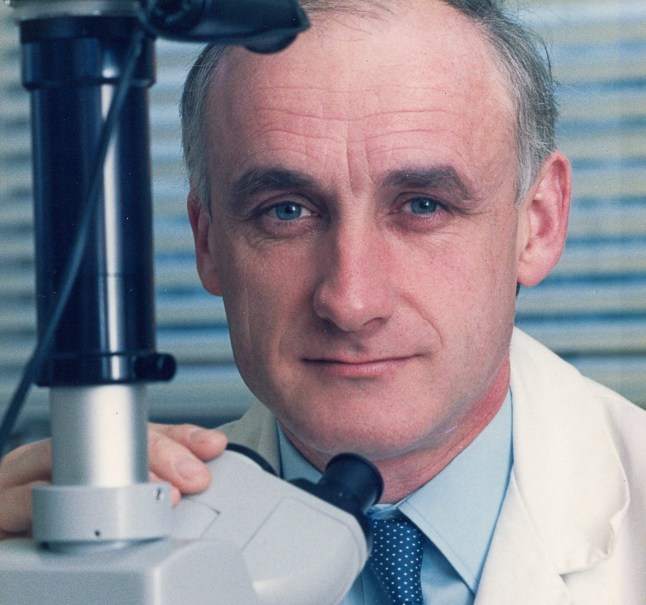
Together, Cora and Morella were a formidable driving force with remarkable energy and enthusiasm.
Back then, we didn’t even use the word dementia in polite conversation. Families whispered about “senility” or simply didn’t speak about it at all. There were few memory clinics, no specialist nurses, no helplines to call. These families were invisible, and so was the condition destroying their lives.
We had a radical vision: to break the silence, provide help and hope to everyone affected, and drive research toward effective treatments. As a Geriatrician, I saw firsthand how little we understood about dementia and how desperately families needed support.

Professor Davison secured the venue for our first AGM at the National Hospital in September 1980, attended by nearly 100 people of a total membership of 370.
Fundraising came from 20 local groups, our newsletter and grants, including one from the DHSS enabling us to establish our first office in Fulham in 1981. Two years later we were awarded our first research grants, and now, 45 years on, the transformation is extraordinary.
We’ve reached hundreds of thousands of people through our services, changed the national conversation on dementia, invested over £120million into research and campaigned relentlessly for people affected to have the support they need.
How to sign up to our 2026 Metro Lifeline challenge
This year Metro.co.uk is proudly supporting Alzheimer’s Society for our 2026 Lifeline campaign.
On Saturday 13 June 2026, we’re inviting our readers to take on an incredible challenge: an epic hike through the stunning Cotswolds countryside — all to help support people living with dementia.
Choose your distance: 25km, 50km or 100km.
With registration starting at just £15, and fundraising targets of £150 (25km), £225 (50km) or £330 (100km), you can push yourself as far as you want — while helping fund vital support and research.
Whether you sign up solo or take on the challenge with friends, you’ll be part of Team Lifeline, with plenty of guidance, encouragement and support along the way. Every mile you walk and every pound you raise will help make a real difference for people facing the daily realities of dementia.
For our ‘everything you need to know’ guide, click here – or if you’re already raring to sign up, click here.
Dementia is now the UK’s biggest killer and Alzheimer’s Society has grown into the UK’s leading dementia charity. Since its launch countless research breakthroughs have greatly improved our understanding of this devastating disease, helping to bring it out of the shadows and driving better care across healthcare.
When we started, we barely understood what caused Alzheimer’s disease. Now research suggests we can identify biological changes in the brain decades before symptoms appear, memory clinics exist in every major hospital, specialist dementia nurses support families through diagnosis, and research programmes across the country are uncovering new insights every day.
I’m particularly proud that Alzheimer’s Society funded research 30 years ago that revealed early detection was possible. Those findings paved the way for the breakthroughs we’re seeing today.


My research career has also contributed to developing treatments that millions now benefit from. I led some of the first European clinical trials of cholinesterase inhibitors – the drugs that remain the main treatment option for Alzheimer’s disease today. Seeing those early trials progress from laboratory research to treatments that genuinely help people has been one of the most rewarding aspects of my work.
But now we are at a tipping point.
For the first time, we have disease-modifying therapies that may slow the progression of Alzheimer’s disease. They’re not cures, but they represent a fundamental shift. We’re no longer just managing symptoms; we’re intervening in the disease process itself.
When we started this journey in 1979, we envisioned a world where dementia was understood, where families weren’t left to struggle alone, and where science might one day offer real hope. We’re closer than I ever imagined.
Dementia devastates lives, but it’s not an inevitable part of ageing. This generation could end the devastation caused by dementia, but only if we work together.
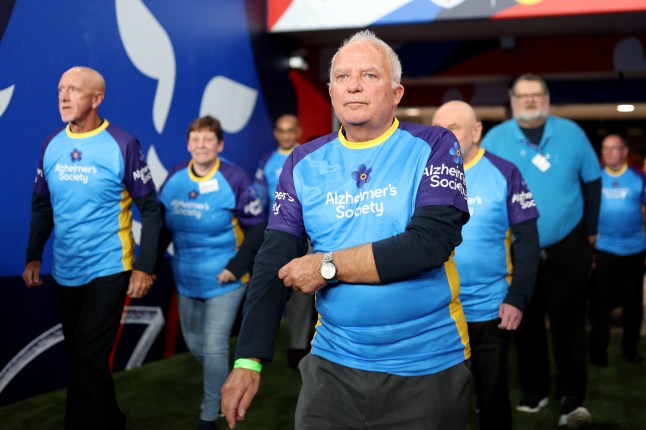
This is why we’ve partnered with Metro’s Lifeline campaign this year. Metro is, and has been, a staunch advocate for the dementia community, having helped to place a shining light on the condition in recent years, championing the voices of those directly affected.
Their desire to bring an end to dementia’s devastation and invoke change on a national scale is exactly the fundamental change we dreamt of almost 50 years ago.
If we learned anything from those early days sat around the kitchen table, it’s that change is possible when people unite with determination. The vision we had then – of a world where dementia no longer devastates lives – is finally within reach.
2 Feb, 2026 | Admin | No Comments
This is the exact amount of semen you should produce each time you finish
The big O. The climax. The explosive finale. For men, this almost always involves ejaculation.
But guys, have you ever wondered how much semen you’re actually meant to produce when you orgasm?
It’s a question that’s been raised countless times on the Reddit r/sex forum, usually by men who are worried about their emissions.
‘I’m pretty concerned that I produce an abnormally minimal amount of cum,’ wrote one young man. ‘We’re talking 0.5 to 2ml — less than a teaspoon.
‘Even when I “save up” for a week or more there’s still barely anything.’
Another, Dan*, 29, wrote: ‘I usually cum quite a bit in terms of volume. But recently I’ve noticed that barely anything comes out of my d**k when I ejaculate — just a few drops.’
So, is there such a thing as a ‘typical’ load? We’ve enlisted the help of sexual health nurse, Sarah Mulindwa, to give us the long and short of it.
How much semen should a man produce?
While it’s certainly not one size fits all, there is a general range that’s considered typical when it comes to how much semen a man should produce.
‘Most men ejaculate between about 2ml and 5 ml per orgasm, which is roughly half a teaspoon to a full teaspoon,’ Sarah tells Metro.
‘Anything consistently below 1.5ml to 2ml is usually classed as low volume, while more than 5ml isn’t harmful but isn’t especially common either.’
It’s a good guideline but if you want to get more specific, we’ve broken it down by age, too.
‘A healthy man in his 20s will usually produce somewhere around 2.5ml to 4ml, which is about a teaspoon,’ Sarah, Lovehoney’s sexual health nurse, adds.
‘In your thirties, it’s often similar, though some men notice very slight decreases. By your fifties, volume can drop a little due to hormonal changes, but it shouldn’t suddenly fall to just a few drops — many men still produce 2ml to 3ml quite comfortably.’
Critically low semen volume is known as hypospermia, which Sarah adds is defined as under 1.5ml per ejaculation over weeks or months.
You need to replenish
Basically, your body needs time to ‘refill its tank’, as it were.
If you ejaculate multiple times in a short window, each load will usually be smaller than the last, the sexual health nurse explains.
‘The seminal vesicles and prostate simply haven’t had time to replenish fluids yet,’ Sarah says. ‘Post ejaculation the volume usually returns to baseline after 24 to 48 hours.
‘Abstinence length matters more than people realise — even one or two extra days between ejaculations can noticeably increase volume, which is why lab semen samples are usually collected after two to seven days of abstinence.’
More health news…
What affects the amount of semen you make?
There’s a whole load (sorry) of things that influence how much semen you produce each time. The biggest is hydration.
‘Semen is mostly water, so if you’re dehydrated, your body simply has less fluid available to work with,’ Sarah explains.
Hormone levels, particularly testosterone, also play a big role, because low levels can affect the force with which you ejaculate, as well as the volume.
Volume is also impacted by prostate and seminal vesicle health. Vesicles are fluid filled sacs which move substances into or out of a cell, and if these are inflamed, blocked or not functioning properly, your volume will drop.
What does semen contain?
‘Healthy semen isn’t just sperm,’ Sarah says. ‘It’s mostly a nourishing fluid designed to protect and transport sperm. It contains: sperm cells, water, fructose for energy, proteins and enzymes, zinc and minerals, prostate fluid and seminal vesicle secretions.
‘It’s also worth noting that healthy ejaculate is usually whitish, slightly thick, and liquefies after a few minutes.’
When it comes to lifestyle factors, Sarah explains certain medications can interfere with the volume, like antidepressants, blood pressure meds, prostate drugs and hormone treatments, so always tell your doctor if you notice a drop in semen volume after taking a new medication.
Stress raises your cortisol levels which can suppress your testosterone and disrupt sexual responses like ejaculation, and fatigue will also hinder semen production.
Volume doesn’t translate to virility
More semen doesn’t equate to better sex, better fertility, or better orgasms, according to Sarah. But, if someone notices a sudden change, discomfort, or persistent low volume, ‘it’s not embarrassing — it’s sensible — to get checked’.
‘Your ejaculate is one of the body’s quiet ways of telling you how things are going under the hood,’ she explains. ‘But a person can have low-volume ejaculate and a perfectly healthy sperm count and motility, and vice versa.’
However, if you want to increase your semen volume there are a few things you can do.
‘Because semen is fluid and hormone-driven, daily habits make a difference,’ Sarah explains. ‘Drinking enough water, spacing out ejaculations, sleeping well and managing stress all help maintain normal volume.
‘Reducing alcohol and smoking, exercising regularly and eating zinc-rich foods can also support healthy semen production over time.’
Do you have a story to share?
Get in touch by emailing MetroLifestyleTeam@Metro.co.uk.
1 Feb, 2026 | Admin | No Comments
Couple who enticed married woman into a throuple make wild confession
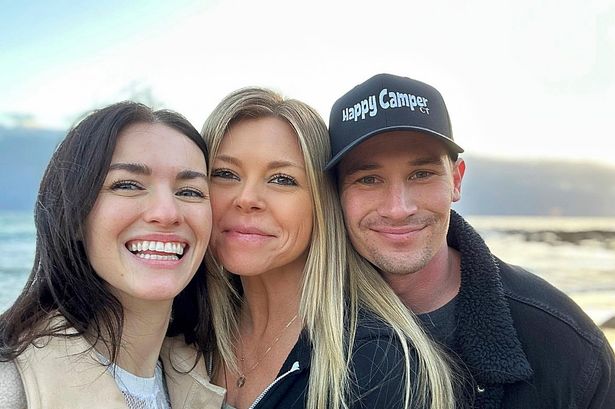
A man and his two girlfriends who live together in a throuple have shared intimate details on their unconventional life, including how a purely sexual relationship developed into something much more serious, what their sleeping arrangements are and what their parents really think
1 Feb, 2026 | Admin | No Comments
‘I’m 27 with nine kids – people slam me for baby dads but they don’t know truth’
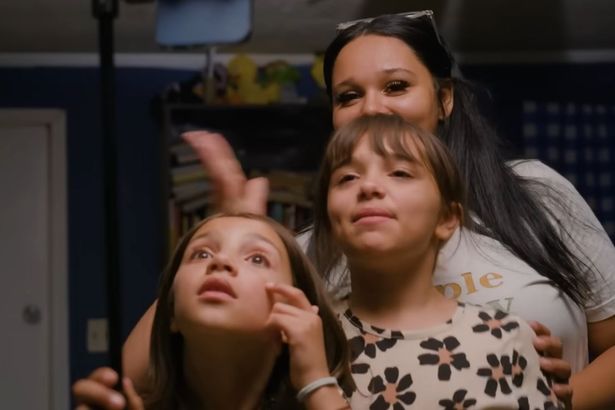
A proud mum has hit back at cruel trolls who shame her for having a big brood as she reveals her upcoming plans with her current partner
I was standing in a takeaway restaurant in May 2025, chatting to an old friend on FaceTime, when I suddenly felt a wave of unbearable, overwhelming tiredness.
I’d been having episodes like this for years; doctors had brushed my symptoms off as stress or sleep related. This time, it was different. I wasn’t just sleepy, both my arms were weak and I couldn’t get any words out to my friend on the phone.
I had to lift one arm up with the other to put it on a table. After that, all I could do was put my head down, close my eyes and wait for it to pass.
After a couple of minutes, the feeling faded. My friend on the phone was very worried, but I reassured her that I felt better and it had passed. I went home and ate – but then, I got a piercing headache, which persisted, and started vomiting.
I rarely got headaches and the vomiting was also new, so I was really worried now. My friends – who, like me, are medical students – urged me to call 111. I was taken to A&E in an ambulance.
Within weeks, I’d been diagnosed with a cancerous brain tumour: specifically, an incredibly rare form of glioma (a tumour that starts in the supporting cells of the brain and the spinal cord).
It’s grade 4, which means it’s extremely aggressive. In fact, it’s being treated as a glioblastoma, which has an average prognosis of 12 to 18 months.
I’m 23 years old.
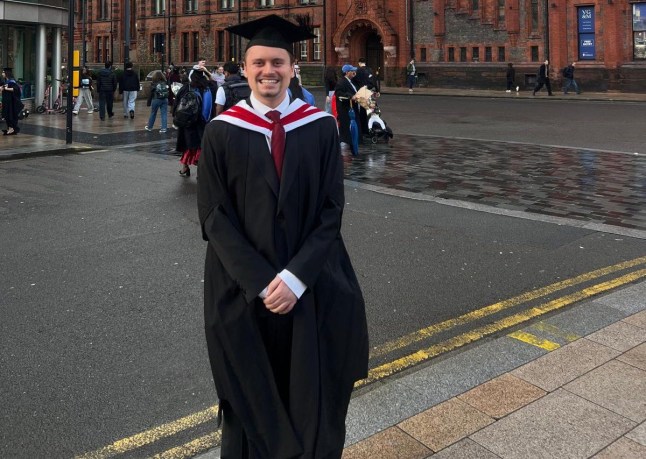
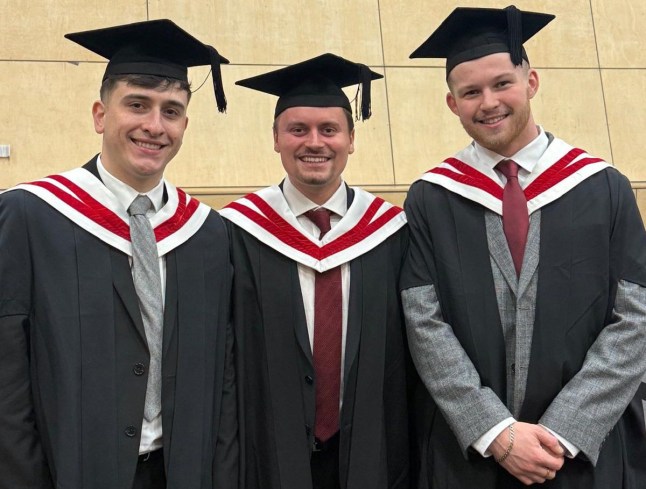
When I got my diagnosis, I was in my fourth year of studying medicine at Liverpool University, which I loved. I was enjoying my course and I felt as though the city had really taken me in. It was my second home.
But that night in the takeaway wasn’t the first time I’d experienced that overwhelming sleepy feeling. I’d been having episodes like that for years, albeit not as intensely.
Throughout my teens and early 20s, I’d have waves of exhaustion that came out of the blue. I’d have to fight extremely hard to stay awake and it felt as thought my whole body was shutting down.
Often I’d also get a strange weakness in my arms and legs, and if I tried to talk, my speech would be slurred.
At its worst, these episodes were happening a few times a day, lasting for anywhere between 20 seconds and a few minutes.
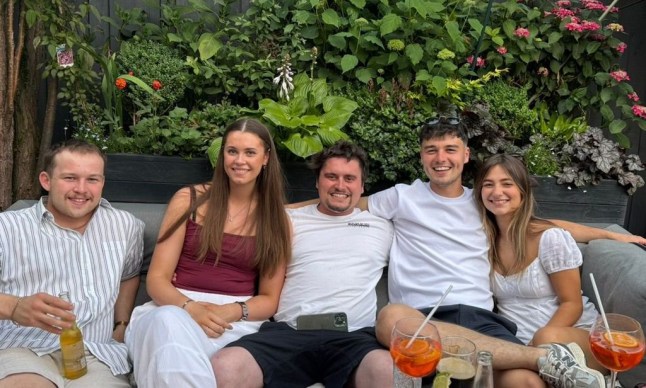
And, despite being told repeatedly by doctors that it was just health anxiety, I knew something wasn’t right.
I kept going back to the GP and to specialists, but nobody ever seemed alarmed, or correctly identified what was happening.
If anyone had ordered a CT or MRI scan, that would have shown my condition. But no one ever did.
I now know that, despite the fact that brain tumours are the biggest cancer killer in children and adults under 40, they only get one percent of cancer research funding.
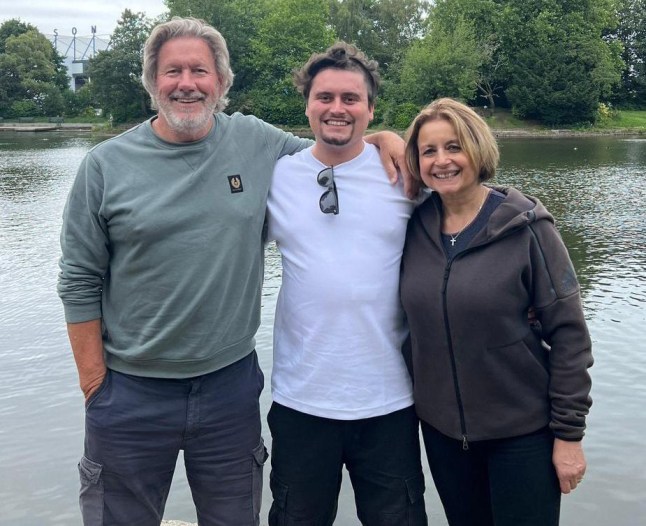
From around January 2025, I was prescribed melatonin, a hormone that helps with sleep issues, by a neurologist. This helped me manage my sleep, and I started to feel better.
Unfortunately, that didn’t last, and in May, I had the episode in the takeaway restaurant.
I called my parents on the way to A&E, and they immediately got in the car to drive from Weymouth to Liverpool.
‘No, no, it’s not a big deal; don’t come up all the way from Dorset,’ I insisted. It was two days before my sister’s wedding and I didn’t want to make a fuss.
Of course, it soon became clear that that wedding would not be going ahead.
In A&E, I was finally given a CT scan and I was put on a steroid due to the raised intracranial pressure.
At that point, doctors started taking me a lot more seriously.
My memory from that time is hazy – I was tired and overwhelmed – but I remember doctors saying that they could see a growth, and that there had been a bleed on my brain.
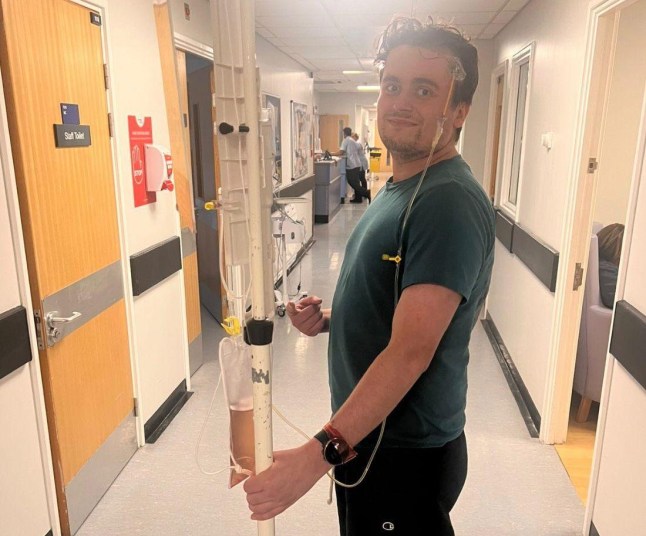
I was admitted to hospital immediately. In the space of just a few days, I’d had several MRI scans, an external ventricular drain fitted to the side of my head to take away some of the intracranial pressure, and brain surgery to remove as much of the tumour as they could – which ended up being about 70%.
The rest was too deep for the surgeon to reach and in areas that were too delicate to go near.
Are you or your loved ones living with a brain tumour?
brainstrust is a charity dedicated to helping people live life with a brain tumour, offering support and information – as well as championing people-first brain tumour research.
Learn more or get involved here.
I had to wait a couple of weeks for the biopsy results, but when the surgeon gave me my official diagnosis, in a way, I was relieved. At last, I knew what was wrong and I was going to get the treatment I needed.
But it was both shocking and devastating to hear that I had brain cancer. I can vividly remember the surgeon saying I wouldn’t be able to drive for two years – a punch to the gut, because I love driving – and also that I would have to take a break from my medical course. A second punch; this time, to the heart.
Fortunately, six weeks of daily radiotherapy and oral chemotherapy reduced the size of the tumour significantly.
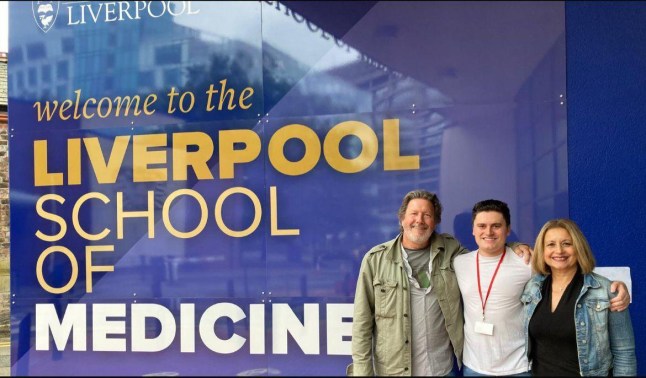
However, in December 2025, after a few more months of chemo, it felt like we’d hit a wall: a scan showed the tumour had spread to some layers of my brain, as well as to my spinal cord.
I switched chemo – and there are still other types available that I can try – but I can’t be sure any of it will be effective. Plus, the NHS standard of care for glioblastoma – which hasn’t changed for around 20 years – is chemo and radiotherapy for six weeks, and then chemo for up to six months. At this point, I’d only be eligible for another three months of chemo on the NHS; and the chemo I was on wasn’t working.
My only option was to go private.
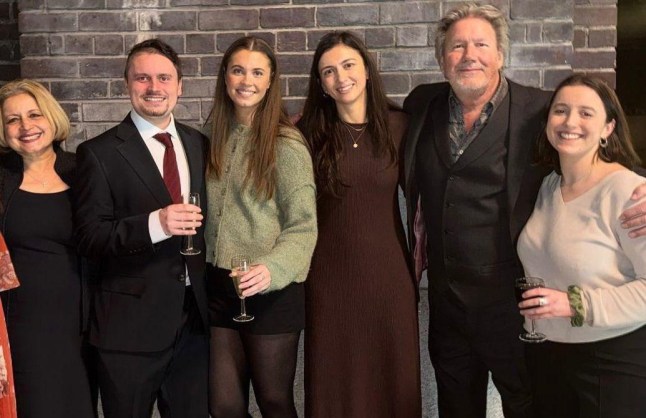
My family and I researched endlessly, and learned about a cutting-edge immunotherapy treatment. It’s not yet available on the NHS, but a clinic in Germany has had very promising results. My consultant gave me the green light for this, saying: ‘Whatever you’re going to do, do it now.’
There was just one problem: the total cost of this immunotherapy treatment will be around £200,000.
But my family refused to give up. Just after Christmas, my three older sisters started a fundraiser; and they’ve raised over £140,000 in the last month, with more than 3,500 people – including many I’ve never even met – donating.
Want to learn more?
You can read more about Alex’s story and support his fundraiser here.
Reading the messages attached to the donations has helped keep me positive – I look at the fundraiser website every night before I go to sleep. It’s incredibly humbling.
Thanks to this fundraiser, I’m now at the IOZK cancer treatment centre in Cologne, receiving immunotherapy treatment. I can’t begin to express how thankful I am to my sisters, my parents, and to every single person who has donated and engaged with my story.
Right now, I’m feeling hopeful and optimistic about what lies ahead – and throughout it all, I’ve never doubted that I am deeply loved. For that alone, I will be forever grateful.
As told to Izzie Price
Do you have a story you’d like to share? Get in touch by emailing Ross.Mccafferty@metro.co.uk.
Share your views in the comments below.