I can’t do this.
That’s what I remember thinking as I lay wailing in my bed, my mother stroking my hair. My heart felt like it was hammering against my chest, my breathing was quick and shallow, and every fibre of my body was tense.
I was certain I was dying, and I was terrified.
This was February 2025, during my second mental breakdown. I’d had my first four years earlier and hoped I’d gone through the worst of my mental illness – I was wrong.
This time it was much worse, partly because I was completely and utterly burnt out, and yet, it’s been six months and I still haven’t received any treatment on the NHS.
Like so many others – on average, there are 16,522 people waiting for treatment 18 months after the initial referral – I’m just another name on a long list of those waiting to get help from mental health services.
I’ve always been an anxious person. Since childhood, I’ve suffered with incredibly low self-esteem, rapidly fluctuating moods, and difficulties controlling my anger. But it took until my mid-twenties to be diagnosed with Borderline Personality Disorder (BPD).
Still, I never thought I’d end up in A&E.
In 2021, during an already stressful stage of my life – my then-partner and I weren’t happy together, I was struggling to establish myself as a freelance journalist, and was generally feeling lost – I had a slight reaction from the hair dye my hairdresser used.
Due to having severe health anxiety, I started to worry the tingling on my scalp was something serious. This ultimately triggered three days of continuous panic attacks; a sustained onslaught of feeling like I was about to die at any moment.
Even once they eased, I spent the next two weeks convinced this feeling of pure, undiluted fear wouldn’t stop. That I’d be stuck like this forever.
To be trapped in fight or flight mode for such a prolonged period of time is awful. There’s no respite.
As a result, my road to recovery took months. I received help from the NHS crisis team who checked in every day to see how I was doing and was also referred to local mental health services. However, due to the wait, I ended up paying to see a private therapist.
Despite having a lot to overcome – including the break down of my 10-and-a-half year relationship – in that time, I did eventually weather the storm and, rather naively, I thought I’d never hit rock bottom again.
Fast forward to February 2025, however, and I was struggling again. Stresses at my full-time job led to burnout and, by the time I took a week off on the recommendation of my boss, I was emotionally and physically exhausted.
That’s when I experienced my second breakdown.
Just like before, I was having panic attacks multiple times a day: I couldn’t eat, I barely slept, and every twinge and ache was a sign, I thought, that I was on the cusp of death. And, this time, I was too drained to claw my way out of the hole I found myself in.
It was so bad that my mother came to stay with me for a few days because I couldn’t handle being alone when my new partner went to work.
At its worst, I lay shaking and sobbing on my bed as my partner spoke to the doctor. All I remember him saying was that I couldn’t be left like this and that he was incredibly worried about me.
My GP prescribed me some diazepam there and then, over the phone, and made a fresh referral on my behalf to the local mental health services.
Yet even in my distressed state, I wasn’t foolish enough to think I’d get help immediately – my previous, awful, experiences had made me jaded.
Unsurprisingly, I’d still not heard anything about the referral almost two weeks later. It was only when I raised this with my GP and they chased the referral, that I finally had a telephone assessment on March 13.
This isn’t a form of treatment though. Rather, it’s a means of helping local services determine where to send you next.
Despite my medical notes from that call clearly stating that my self-harm risk at that time was ‘significant’, I still wasn’t fast-tracked for any type of treatment.
I’m not ignorant to the strain on NHS resources, but to have someone go months without treatment after having a mental breakdown is disgraceful. Without such a strong support network around me, I dread to think where I’d be today.
Need support for your mental health?
You can contact mental health charity Mind on 0300 123 3393 or text them on 86463.
Mind can also be reached by email at info@mind.org.uk.
It wasn’t until July that I finally received an in-person appointment with a clinician to assess next steps.
She took a detailed account of my mental health history, told me I might get a medicine review, and that I’d be given information about progressing with an autism assessment.
Unfortunately, nothing has happened since – I haven’t even had therapy.
The end of August marked six months of me waiting. Six months of having to endure this mental health crisis without the aid of services designed to help people like me.
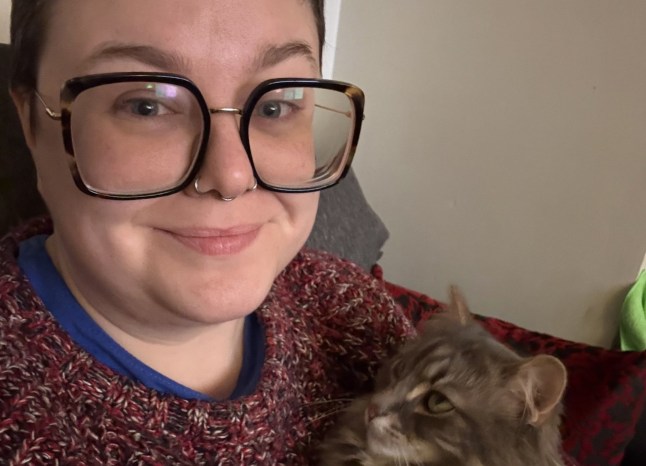
How am I – how is anyone – meant to get their lives back on track when there is so little help readily available?
I’ve been passed around from GPs to clinicians like the last chocolate in the tin nobody wants. Their polite and sympathetic demeanour means little when I’m so desperately in need of treatment. So, quite frankly, I’m angry.
And the fact that gimmicks like free football tickets are being trialled as a way to treat mental health, is laughable. It isn’t the solution we’re begging for.
Subtle, minimal changes aren’t enough to improve NHS mental health services. A complete overhaul, alongside a significant influx of funding, is needed.
There needs to be proactive care options rather than reactive ones and we need appointments when we’re in need, not once we’ve hazily navigated our way through the fog by ourselves. And to be honest, any kind of update on care would be a step up from where we are now.
Sadly, I don’t think any of this will happen any time soon, so all I can do now is chase up referrals and wait for some kind of response. Constantly having to advocate for yourself because health professionals aren’t is soul destroying.
Nobody should have to beg for treatment. And yet the fact remains that I’m one of the lucky ones: many people who don’t manage to hold on long enough to receive treatment.
Do you have a story you’d like to share? Get in touch by emailing Ross.Mccafferty@metro.co.uk.
Share your views in the comments below.
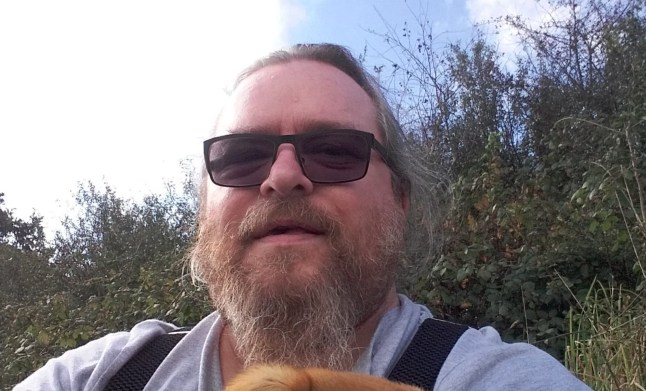
I couldn’t get out of bed. I felt drained, constantly. All my body wanted was more sleep.
When I did drift off, I woke up not knowing where I was, sweating so much I was soaking wet and freezing. My muscles and joints ached and I had migraine-like headaches and a persistently sore throat.
For about six years, this was my life as someone severely affected by a condition known as Myalgic Encephalomyelitis/Chronic Fatigue Syndrome (ME/CFS).
It is a complex, long-term medical condition that affects a person’s ability to function. The most common symptom is extreme, debilitating fatigue, that can be worsened by activity and isn’t improved by sleep.
This in turn affects thinking, memory, speech, standing, walking, sleep and daily tasks.
An estimated 404,000 people inthe UK are affected and sadly, it isn’t a condition anyone can predict. For many, the trigger is an infection (either viral or bacterial).
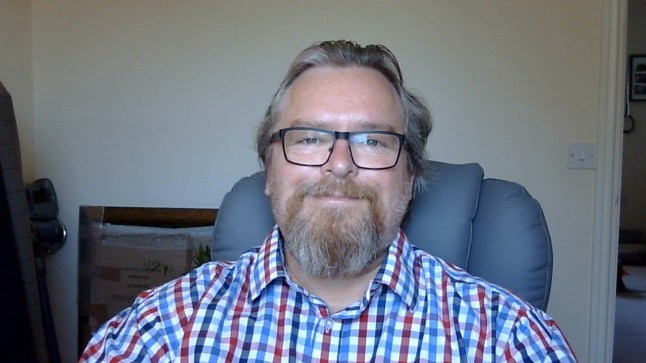
My symptoms began in July 1999, after I became ill while on holiday with friends in Greece. What I thought was food poisoning was diagnosed by Greek doctors as a non-specific infection.
Back home in Jersey, I was treated in hospital for dehydration and had tests to determine the infection’s source. I was discharged without any answers, only to end up back there weeks later after having seizures.
A year on, I was no better and hadn’t been able to return to work. As well as the crippling, flu-like symptoms, I was increasingly frustrated and confused that no one could say what was wrong with me.
Eventually, in May, 2000, having ruled out every other condition, my GP diagnosed ME/CFS.
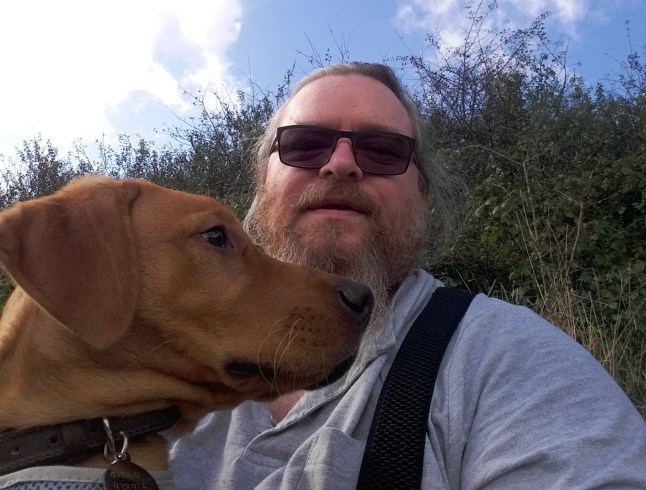
I prayed for a different diagnosis, one that was more accepted and visible – ME/CFS is regarded with skepticism by many, including medical professionals.
It’s something that I experienced – when I was discharged from hospital, a senior healthcare professional told me to just push through it.
Luckily, my employer offered me a disability pension. I was delighted that they were supporting me in this way, but also regretful that it marked the end of my promising career.
But it was hard. I tried to push through even when my body was screaming not to and this led to an erratic, persistent period of relapse and relative remission.
I became very depressed and eventually tried to take my own life. I worried about the future, my independence; grief became too much for me to cope with. I just couldn’t see a way out.
My daily life became unrecognisable from before. I got through it with distractions – by setting small goals like listening to the radio or watching TV if I was bed bound. Or if I was able to read, I would start one sentence at a time, until I had to stop.
In 2003, I was referred to Professor Anthony Pinching, aspecialist in immunology with an interest in ME/CFS. He was the first doctor who validated my experiences and prescribed a drug that reduced my nausea and vertigo, which eventually contributed to stabilising my symptoms more generally.
By 2005, I was able to go to college part-time which led to university full-time as a mature student reading ancient history at Lampeter.
The course made me feel very welcome as a disabled student – I could access various tools like speech-to-text, virtual lectures, extended deadlines, and peer support. Sadly, repeated bouts of ‘freshers flu’ meant I missed the dissertation deadline and ended up leaving university.

I felt gutted and it felt never ending.
During this time, however, a referral to Cornwall’s ME/CFS specialist service and access to other professionals followed, all of whom helped me learn how to live with the limitations of my condition and improve my quality of life.
They reinforced that ME/CFS was a real medical condition and I felt validated.
It was also the first time I got to meet other people with ME/CFS – it was incredibly helpful to hear that their stories were similar to mine, and to realise I wasn’t alone.
It took a long time to see meaningful changes, but, gradually, my physical ability and my cognitive function improved considerably to the degree that 10 years ago, I was able to start working for the charity The ME Association as a part-time volunteer.
Find out more
The ME Association (MEA) is a UK charity that supports people with ME/CFS and Long Covid. It is committed to working with its members and the ME/CFS community and is focused on improving the quality of life of those affected. For more information, please visit: www.meassociation.org.uk
Since then I have worked my way up to becoming the Head of Project Development full-time.
I’m lucky to have an understanding, flexible employer, who allows me to work from home all the time.
Returning to work has enabled me to regain some independence and my new furry friend, Buster, has brought a lot of joy back into my life.
I still live with ME/CFS but I am better able to cope with and manage the condition and other aspects of my health.
But the Department of Health must take ME/CFS seriously. It needs to provide appropriate care and fund more research if we are to ever understand what causes this degree of chronic ill-health.
Only then will all ME/CFS patients be able to see the light at the end of the tunnel and live life the way I am – happily, at last.
ME/CFS never leaves you and you never know if you’re going to relapse but I’m resilient and try to maximise the pleasure and enjoyment that I get out of life.
Do you have a story you’d like to share? Get in touch by emailing jess.austin@metro.co.uk.
Share your views in the comments below.
6 Sep, 2025 | Admin | No Comments
This is why it seems like everyone has ADHD right now — including you
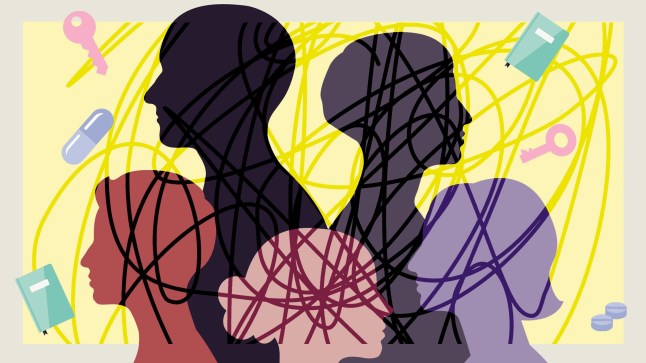
Opening up to a friend after I was diagnosed with ADHD, I voiced my struggles with time blindness, lateness, general disorganisation, and emotional dysregulation.
‘But isn’t it normal to get a little bit distracted sometimes? I probably have ADHD too, if that’s the case’ she said to me. My heart sank, feeling both rejected and my life experiences diminished in one simple interaction. I doubt she meant to upset me, but her words stung.
There’s an increasing perception that having ADHD is becoming a ‘trend’ or a ‘personality quirk.’
Just like OCD has been carelessly thrown about as being neat and tidy, ADHD is starting to become synonymous with making seemingly normal, harmless mistakes like misplacing a purse, or being 10 minutes late to a coffee date.
As soon as I first read about ADHD in women, I knew that I had it. I once lost my house keys and paid my landlord for another set, only to find them wedged down the back of the sofa when I moved out.
I also impulsively switched subjects during my GCSEs, A Levels and university; I had my library card revoked at the age of 10 after I failed to return the books I’d borrowed, and I’d spent my whole life feeling that my brain was simply a little bit different.
So, does everyone really have ADHD now? Or are we just being equipped with the tools to navigate our own brains, and connecting with a like-minded community in the process?
Have ADHD diagnoses increased in the last few years?
In 2023, a study from UCL found that the number of people being diagnosed with ADHD has increased over the last 20 years, but this doesn’t mean that ‘everyone’ has it now.
Between 2000 and 2018, there was a twenty-fold increase in ADHD diagnoses, rising to an almost fifty-fold increase in prescriptions issued to men aged 18-29.
Largely owing to medical misogyny that favours research into symptoms in men and boys, women are still largely going undetected: the ADHD Foundation estimates that between 50 and 70% of the 1,000,000 women in the UK living with ADHD are undiagnosed.
There might’ve been an increase in people seeking help for ADHD in recent years, but that doesn’t mean that the condition is becoming more common. It still only impacts between 2% and 6% of the world’s population.

Likewise, a 2025 review from King’s College London looked at 40 studies across 17 countries and concluded that the prevalence of ADHD (AKA, the number of people living with a condition within a specific timeframe) hasn’t increased since 2020.
The author, Dr Alex Martin, noted that while much of the media has been concerned about a ‘surge’ in ADHD diagnoses, both ‘assessments and help-seeking’ are snowballing – which goes some way towards explaining why it might feel like more people have it now.
There are also multiple barriers to diagnosis, including excessive NHS waiting times (as long as eight years in some parts of the UK), and the hefty cost of a private diagnosis, which averages out at £1,200 for adults. For many, self-diagnosis is their only option – and that’s valid.
Meeting the threshold for diagnosis
Getting an ADHD diagnosis isn’t an easy task, and psychiatrists certainly aren’t handing them out like they’re lollipops. To qualify, adults need to align with at least five symptoms on the DSM-5, the framework that’s used to detect it.
As psychologist and clinical director Dr Andrea Pickering tells Metro, various symptoms of ADHD might seem relatable to the general non-neurodivergent public.
But what differentiates these symptoms between being a normal part of life and being suggestive of neurodiversity is the frequency with which they happen and how debilitating they are.
‘The key difference is that for someone with ADHD, these symptoms are persistent, pervasive and significantly impact their ability to function in daily life, across multiple settings such as work, school and relationships,’ Dr Andrea, from Clinical Partners, explains.
ADHD isn’t just being ‘scatterbrained’ or ‘disorganised’: in Andrea’s words, it’s a ‘neurodevelopmental condition rooted in differences in brain structure and function.’
And so, a diagnosis doesn’t just require checking off a few traits, but a ‘detailed evaluation to understand the full context of a person’s life and challenges.’
As part of an ADHD assessment, psychiatrists will look at the pattern, intensity, and consistency of symptoms over time, even going as far as to ask a parent or family member to testify that their loved one’s symptoms have longevity and started before the age of 12.
When I was diagnosed in November 2021, I asked my mum to fill out the forms for me. Thankfully, she was able to recall with colour the school reports that were constantly telling me I was bright but needed to pay attention to detail and listen more; the eye tics that saw me blinking multiple times in a row, and my persistently hyperactive nature.
I used to enjoy talking so much that I’d ask my parents if I could read my book aloud to them; my room was almost never tidy, and I had trouble paying attention in the classroom, often doodling into the line margins of my exercise books.
So at the age of 23, I almost cried when I heard the words: ‘you have combined ADHD’ from my psychiatrist, as in one short moment, years of suffering were validated.
Thankfully, I’d been able to skip the lengthy NHS waiting queue and had the cost of my private diagnosis funded through Right to Choose, so I was diagnosed within a matter of months, rather than years.
Do you have ADHD, or is modern life just overwhelming?
The reality is that, in the modern world, many of us will be feeling burnt out and overwhelmed by information. So, is it any surprise that we’re increasingly distractible?
As Dr Andrea explains: ‘There’s certainly growing evidence that people feel their environment – especially constant exposure to digital devices, social media and multitasking – can reduce attention spans and increase distractibility, even in people without ADHD.’
With this in mind, the ‘human brain simply didn’t evolve to handle the level of information and stimulation we now face daily.’
‘But while modern life can make anyone feel distracted, ADHD is a neurodevelopmental condition with symptoms that are consistent, long-standing and impairing across multiple areas of life,’ she reminds us.
So, whenever I hear people trivialising ADHD, I can’t help but feel angry. It’s not a quirky personality trait: it’s an incredibly debilitating condition, and it’s exhausting navigating a world designed by and for neurotypical people. ADHD isn’t just losing your wallet or being a little bit ‘scatty’: it’s so much more than that.
Neurodiversity is finally in the limelight, and with awareness increasing, so many more people are sharing their stories. No doubt, it’s saving lives.
But the truth is that awareness without understanding is useless, and to suggest that ‘everyone has it’ diminishes the experiences of those who actually live with it. And no, it’s not a ‘superpower.’
You don’t have ADHD if you just forget your keys sometimes; you’re probably just a regular human being living in an increasingly hectic world.
This article was first published on June 22, 2025.
Do you have a story to share?
Get in touch by emailing MetroLifestyleTeam@Metro.co.uk.
6 Sep, 2025 | Admin | No Comments
I tried Aldi’s top wines for autumn and £8.99 fizz is a total ‘knockout’

Genuine question, who doesn’t love shopping at Aldi? No one, that’s who.
The German retailer’s stores have become a safe space where social divides aren’t a thing, because at the end of the day, everyone loves a bargain.
And you can definitely snag yourself a great deal when it comes to Aldi’s wine range.
With the exception of their £14.95 Veuve Monisgny Brut (which was recently crowned the world’s best Champagne), it’s the bottles under £10 you should be looking at.
It sounds counterintuitive, but the range comes alive below a tenner – I’d dare to say Aldi has one of the best ranges of any supermarket at that price level.

How does Aldi keep its prices so low?
The inside scoop is that Aldi achieves its micro prices through a combination of winning buying strategies.
The first is purchasing in enormous quantities, which brings the price down via economies of scale. They buy upfront, and in advance, which gives them leverage to negotiate better deals.
They’ll also seek out small parcels of stock going spare from respected producers, sometimes in lesser-known areas, flogging it on a seasonal basis.
And Aldi works with cooperatives (large conglomerates of grape growers), who they commission to make their own-label wines. This gives them complete control right the way along the buying chain and it’s clearly working well for them as they won ‘Own Label Range of the Year’ at the prestigious Grocer Gold Awards 2025.

Speaking of awards, Aldi’s Austrian Zweigelt (£7.99) recently earned a silver accolade at the International Wine and Spirits Challenge (IWSC) 2025.
What does this mean? Well, according to David Kermode, Senior Judge at the IWSC winning a silver medal is ‘incredibly challenging’.
He explained: ‘It has to be a wine that is not only an enjoyable drinking experience, but also represents the quintessential example of a grape variety or style.
‘I would always choose a silver medal-winning wine from the shelves with great confidence.’
With that in mind, here are my picks for the best in show at Aldi right now. Some are award-winners, others just get my vote…
Specially Selected Crémant de Loire, £8.99
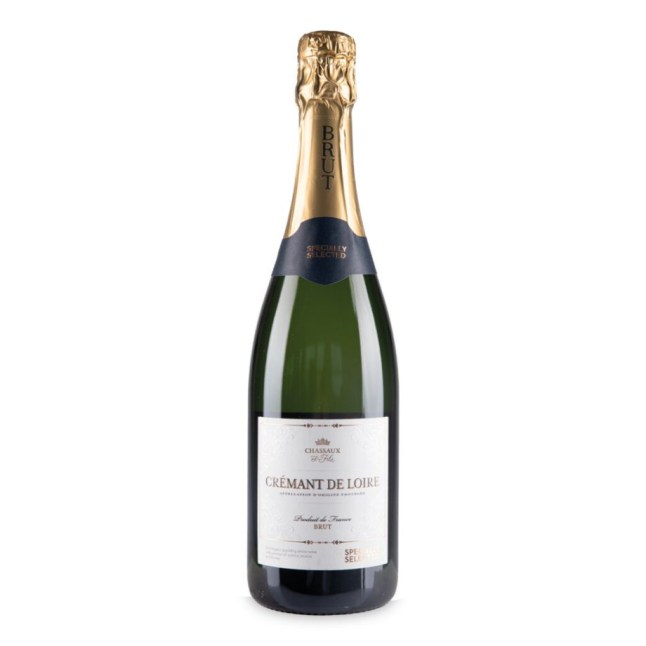
Award: Silver at Decanter Wine Awards 2025
Not to diminish the shine of Aldi’s delicious Veuve Monisgny Champagne being crowned Best Champagne in the World 2025, but I can’t remember the last time I tasted a fizz of such knockout value for money. Especially when you consider it’s made in the same way as Champagne.
Flavour-wise, we’re taking fresh pears, fennel and green apple which, give this dry and crisp fizz a beautiful intensity.
Veuve Monsigny Champagne Brut, £14.95
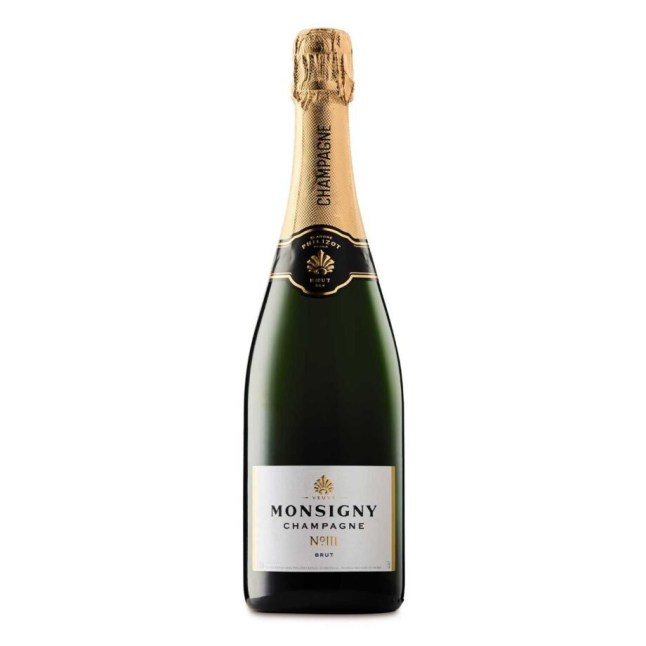
Award: Gold at the World Champagne Awards 2025
It’s very rich and opulent on the nose, clean and lean on the palate with lime blossom and greengage flavours and a fresh, herbaceous finish.
Specially Selected Stellenbosch Chardonnay, £6.99
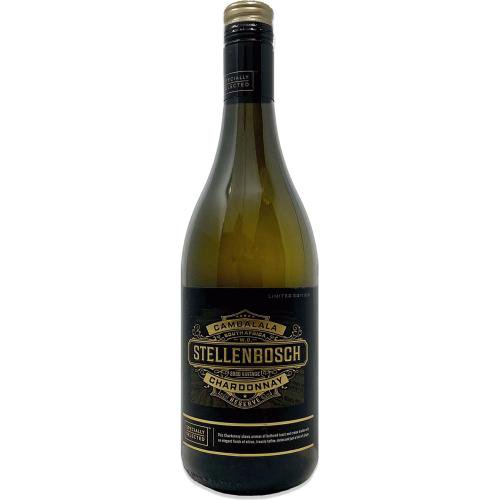
Award: Three stars from Rob
£6.99 doesn’t do this scrumptious south African wine justice, if you ask me. It’s rich, minerally, voluptuous with a combination of tropical mango and papaya and citrussy lime notes which go on forever. Really rather delicious.
Freeman’s Bay Marlborough Sauvignon Blanc, £6.99
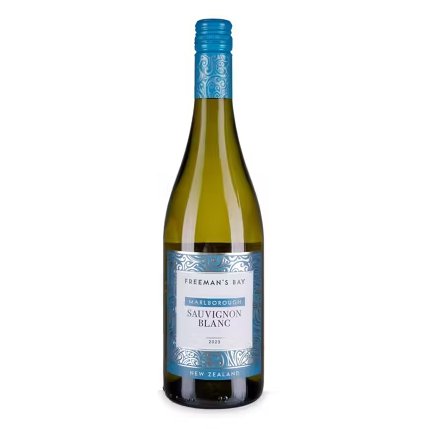
Award: Silver (90 Points) at the International Wine and Spirits Competition 2025
The IWSC nailed this one, which I’m sure they’re incredibly relieved about. Here we have 86% Sauvignon Blanc with 14% Chardonnay for a creamy, tropical, nettley, herbaceous Kiwi sauvignon with unripe (in a good way) greengage sherbet on the finish.
Chassaux et Fils Sainte Victoire Côtes de Provence Rosé, £10.99

Award: Silver at the International Wine Challenge and Global Rosé Masters 2025
Aren’t we done with rosé now we’re in September? No. Partly because summer doesn’t official end until Monday 22nd September and partly because rosé shouldn’t be seasonal.
Take this pink, with more rich and pillowy wild strawberry character than you can shake a Christmas bauble at. And don’t be put off with the ‘just over £10’ of it all, it’s still an absolute steal for Provence rosé.
Specially Selected Cigales Rosado, £8.99
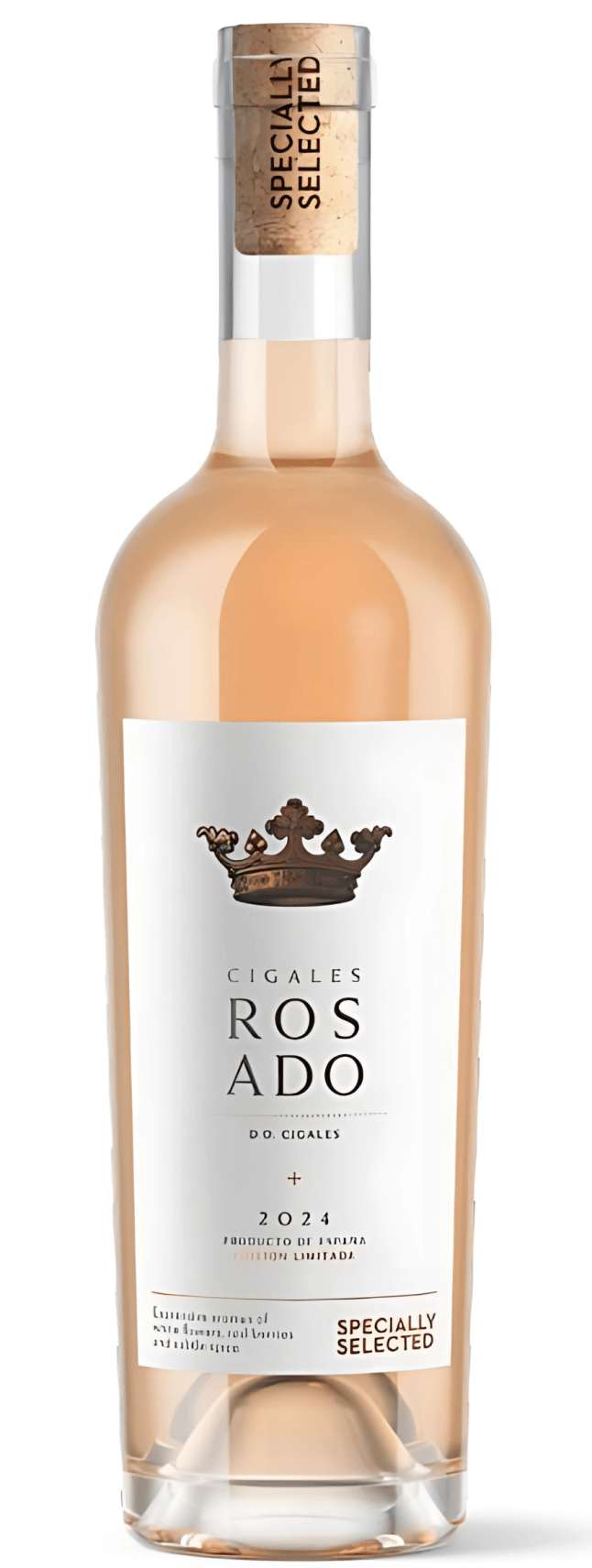
Award: Brand new to the range
If ever there was such a thing as a winter rosé, this is it.
It’s produced just north of Valladolid in Spain, in a lesser-known region called Cigales, synonymous with producing rosé.
Super aromatic, a little bit smoky with a deliciously intense palate of pomegranate, cherry tomato and Mediterranean herbs. An interesting wine that nails a roast lamb pairing.
Specially Selected Australian Merlot, £8.49
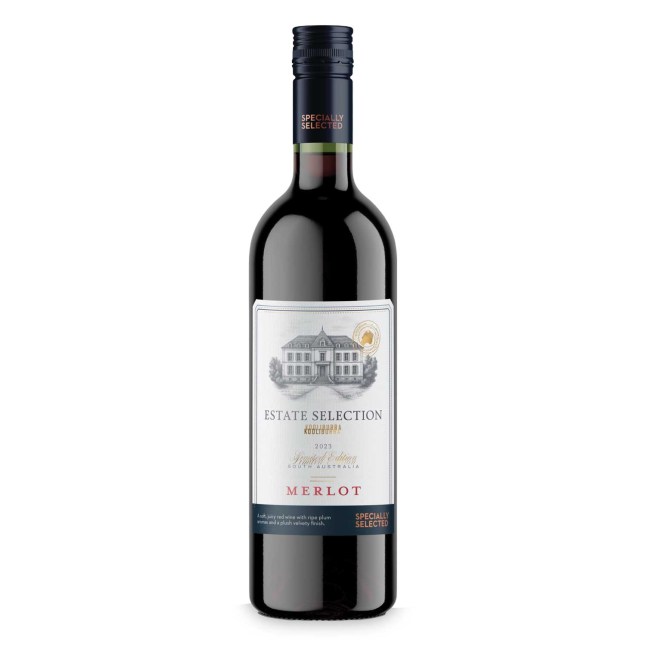
Award: Silver at the International Wine Challenge
Merlot is basically built around pillowy plum flavours, and this one nails the brief. It’s juicy, highly gluggable with endless spiced plum and damson flavours and a lovely lighter-weight texture.
Be sure to give it twenty minutes in the fridge before sipping.
Château Les Trois Manoirs Médoc, £8.99

Award: A thumbs up from Rob
I swore off recommending Bordeaux around the £5 mark, remember?
Well, this one is slightly more spendy and definitely Rob Buckhaven-approved.
It’s largely Merlot at 85%, with 15% Cabernet Sauvignon, no wonder it’s so utterly gluggable (my new favourite word), with soft tannins, plus hedgerow fruit, plums and dark chocolate.
Looking for more drinks content?
If you count yourself a purveyor of the finer things in life, Metro’s Drink Up column is where you need to be.
Immerse yourself in the world of good drink, fronted by industry expert Rob Buckhaven – a place for readers to whet their whistle with the latest and greatest in the world of drinks. From unpacking the best supermarket wines from Aldi, Tesco and Lidl, to introducing audiences to the wallet-friendly Cremant out-bubbling the fanciest of French Champagnes (or the best wines to drink after sex), and finding out what it’s like to go on a bar crawl with Jason Momoa, this is a haven for those who love to celebrate.
Stay ahead of the curve as Rob plucks from the vines the wines of the season and the spirits you need to know about; speaking with experts and mixologists while unpacking the latest concoctions, finding the best non-alcoholic options for those looking to moderate, discovering the best food pairings for your drops, and going up against the latest TikTok chatter to demystify the liquid landscape.
What are the best drinks to take to a summer picnic?
Wine that you should never serve at a wedding
Do you have a story to share?
Get in touch by emailing MetroLifestyleTeam@Metro.co.uk.
6 Sep, 2025 | Admin | No Comments
I had surgery – the doctor’s main concern was my partner’s sex life
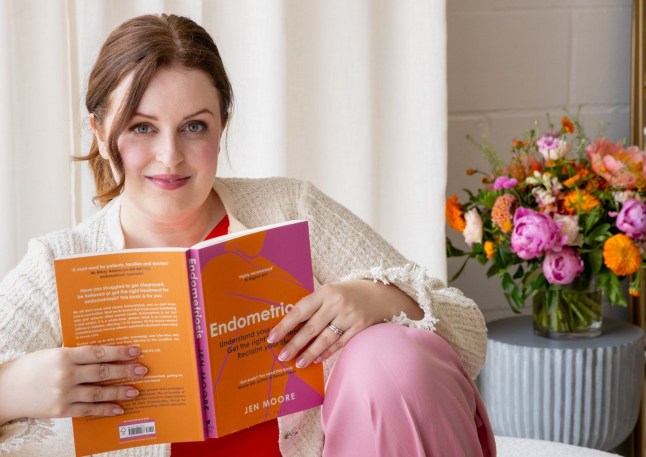
‘Is there anything else you’d like to ask?’, the surgeon queried.
‘You wanted to ask if your cervix was being removed,’ my husband Chris prompted me.
It was my final appointment before my extensive endometriosis surgery, which would also see me having a hysterectomy aged 33 after suffering with adenomyosis.
I’m not even sure if Chris knows what the cervix was, or why I wanted to know if I would lose it along with my uterus and fallopian tubes, but he remembered that it was important to me.
The surgeon turned in his chair, away from me – the person whose life and body were about to change forever – to look my husband squarely in the face and say: ‘I see you’ve read that removing the cervix can impact male sexual pleasure. I’ll leave it in for you if she promises to be good and still get her smears.’
Chris, who had never read anything on the role of the cervix in sexual pleasure, looked at me in a mild state of panic. This was the first time he had just witnessed the medical misogyny I had been telling him about for years and had no idea what he was supposed to say now.
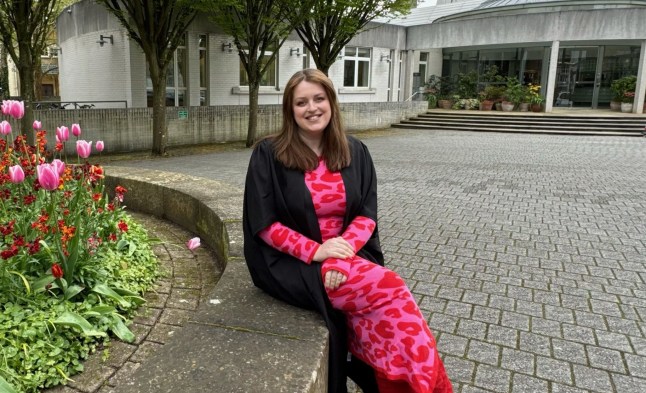
I, on the other hand, just sat there wearily. This response had almost become expected.
My endometriosis symptoms appeared when I was 11-years-old. I was in excruciating pain and bleeding heavily from my very first period.
My mum, who had endometriosis herself and was able to spot early warning signs, took me to a doctor. I was told it was perfectly normal – ‘just one of those things’ – and advised to go on the pill to sort everything out.
For the next 22 years, I just about managed but missed school, social occasions and normal teenage life. If I did go out I’d be in agony, terrified that I’d bleed through the period products I was layering up, barely registering what was happening around me.
I saw doctors repeatedly but the outcome was always the same: ‘It’s normal’, they’d say.
What are the symptoms of endometriosis?
Endometriosis is where cells similar to those in the lining of your uterus grow in other parts of the body.
It also sometimes impacts organs such as the bladder and bowel.
Symptoms can occur when patches of endometriosis break down and bleed during your period, but are unable to leave your body.
During your period, symptoms can include:
- Severe period pain
- Heavy periods that see you change pads or tampons every couple of hours
At any time in your menstrual cycle, the following symptoms may occur:
- Pain during or after sex
- Stomach and back pain
- Fatigue
It can take a long time to diagnose endometriosis, due to the fact it can be similar to other conditions like fibroids or IBS.
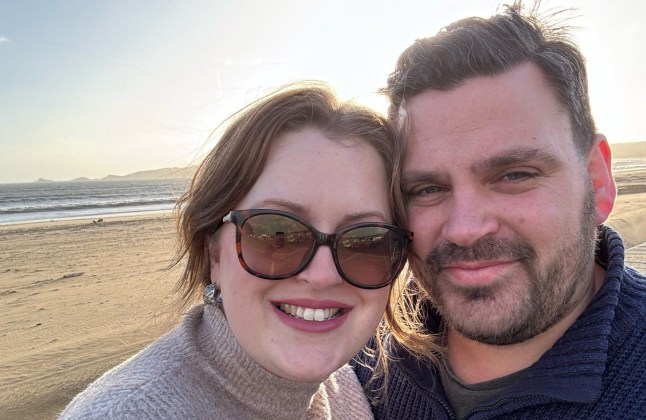
Chris and I met in 2010 and he was always attentive, supportive and kind but at first he thought I was ‘just being a bit dramatic’ about my periods. It wasn’t until 2021 that he started to realise that what was happening wasn’t normal – that something was very wrong.
At that point, after reading the book Period Power, by Maisie Hill, I realised I simply didn’t know what my cycles were like without medical intervention, so, aged 32, I came off the pill for the first time since I was 11.
Within a few months though the debilitating symptoms became daily – I would often vomit and pass out from pain and blood loss.
The only silver lining was that, after getting to that physical and emotional state, a doctor finally listened and, after two decades, I was finally diagnosed with endometriosis and adenomyosis.
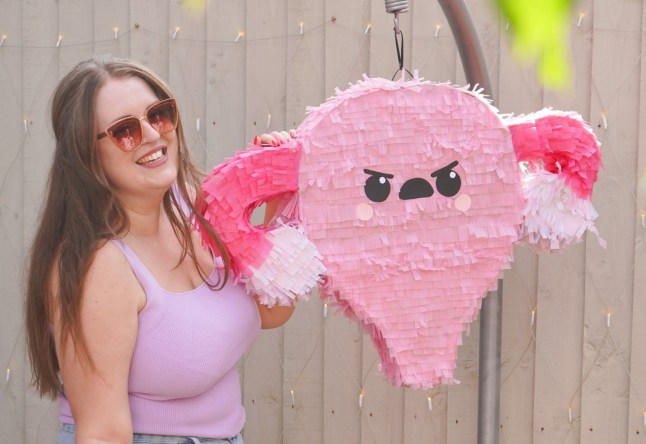
It was terrifying how quickly our whole world became these conditions. Chris’s goals, plans and dreams all took second place to my rapidly declining health and I had to close my business, leaving him as the sole financial earner.
I was also near-bedbound for weeks at a time, so he took on almost all household tasks making him a carer for his wife effectively overnight.
As for our sex life, it all but disappeared as it had become too painful to even contemplate (a common symptom of both endometriosis and adenomyosis).
In May 2022, I had surgery with a private gynaecologist, who had assured me he would ‘solve the issue’, but the surgeon missed significant disease, including deep infiltrating endometriosis, and an 8x13cm section of disease that put my kidneys at risk of failure.
Women as young as 17 are being told to ‘get pregnant’ to ease chronic pain
An investigation by Metro in partnership with Endometriosis UK can reveal that more than three-quarters of women with endometriosis have been told to get pregnant by doctors, a figure the charity has labelled a healthcare ‘scandal’.
The finding comes despite the fact that there is no clinical evidence to support pregnancy as a long-term solution.
Emma Prach was just 17 when her doctor advised that getting pregnant could stop her endometriosis pain, which caused her to regularly vomit, cry and pass out.
Emma, who is now 21, told Metro that she was unsure if she even wanted kids. ‘The suggestion took my breath away,’ she said. ‘I felt so hopeless.’
So, by the time we sat down with an endometriosis specialist in 2023, my mental health was shattered.
I had tried everything I could to relieve my symptoms – lifestyle changes, increasing amounts of pain relief, hot water bottles that burned my skin – and while decades of hormonal intervention had helped to a degree, it had also enabled the disease to progress unchecked.
I couldn’t see a life beyond pain, and that was not a life I wanted to live anymore. I was desperate.
That’s when I asked about a hysterectomy.
A hysterectomy is major surgery – especially when coupled with extensive excision of endometriosis – but the surgeon agreed that it was likely the best course of action in my case, despite being in my early 30s.
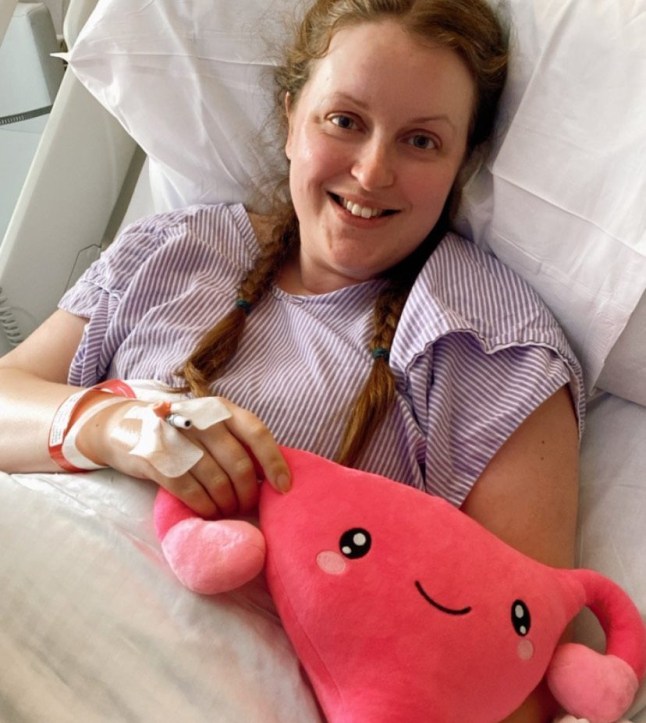
By this point, I just wanted my uterus gone. And I was validated when, after the operation, my surgeon told me: ‘We did the right thing at the right time, that was one diseased organ!’
Then he turned to Chris: ‘Don’t worry my friend, she’ll be good to go in six weeks’. It felt like the clock had started slowly ticking down to when I would be ‘ready’ to have sex again.
It’s important to add here that no pressure around sex came from Chris. It all stemmed from societal expectations of what a ‘good’ sex life is – boldly underlined by both of my surgeon’s comments.
For weeks, as I edged closer to that supposedly magical six-week mark, I worried. Would sex be awful now? Would it feel different? For me? For Chris? Would he want me anymore!?
As it turns out, sex was better – for both of us.
It wasn’t perfect, if that even exists – my pelvic muscles had been in such a state of trauma for so long that it was never going to be solved overnight – but it was no longer an excruciating experience that neither of us wanted to engage in.
Truthfully, sex is still a consideration over two years after surgery, but both of us have evolved our understanding and enjoyment of sex and intimacy now, which has brought us closer together than ever before.
Life post-hysterectomy is mixed: I was never overly maternal, but I valued my choice and having that option irreversibly taken off the table has been hard emotionally. And, as I write, I am still in pain.
Whilst ridding me of the adenomyosis, a hysterectomy is not a cure for endometriosis and it continues to wreak havoc on my health – my latest MRI shows that there is disease present again on multiple organs, fusing others together, causing daily pain and other symptoms.
Yet, slowly, Chris and I are moving forward again, working on our sex life on our own timescale and making accommodations for my still unpredictable health, together.
Do you have a story you’d like to share? Get in touch by emailing jess.austin@metro.co.uk.
Share your views in the comments below.
6 Sep, 2025 | Admin | No Comments
From Space NK to Dunelm – this is everything a shopping expert is buying
Metro journalists select and curate the products that feature on our site. If you make a purchase via links on this page we will earn commission – learn more
Wow, what a week it’s been! Having witnessed all four seasons in one day, we’re still clinging on to the last spritz of the summer.
Still, our shopping expert isn’t as optimistic and has been spotted wearing her favourite jumpers from last season already – and curated quite the Trend Trove of gorgeous, autumnal items – ranging from fashion, beauty, home goods and so much more.
So, much like The Summer I Turned Pretty’s burning question: Team Jerimiah or Team Conrad, are you too, ready to say hello to sweater weather? Either way, you should still read on as you’re about to witness a plethora of shopping must-haves, along with the latest news.
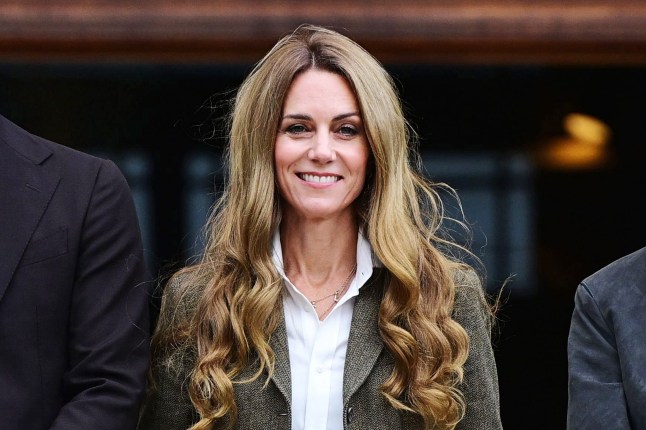
There might not have been any star-studded engagements, but we did have an official royal one! Yes, The Princess of Wales, Kate Middleton was seen out and about, rocking her gorgeous new ‘do. While visiting the newly transformed gardens at the Natural History Museum – where she’s been patron since 2013 – The Princess of Wales opted for a timeless wardrobe staple: the Off-White TENCEL™ Lyocell Boyfriend Shirt from British womenswear brand With Nothing Underneath. Known for its sustainable ethos and classic tailoring, the label’s core collection is a go-to for effortless style with a conscience.
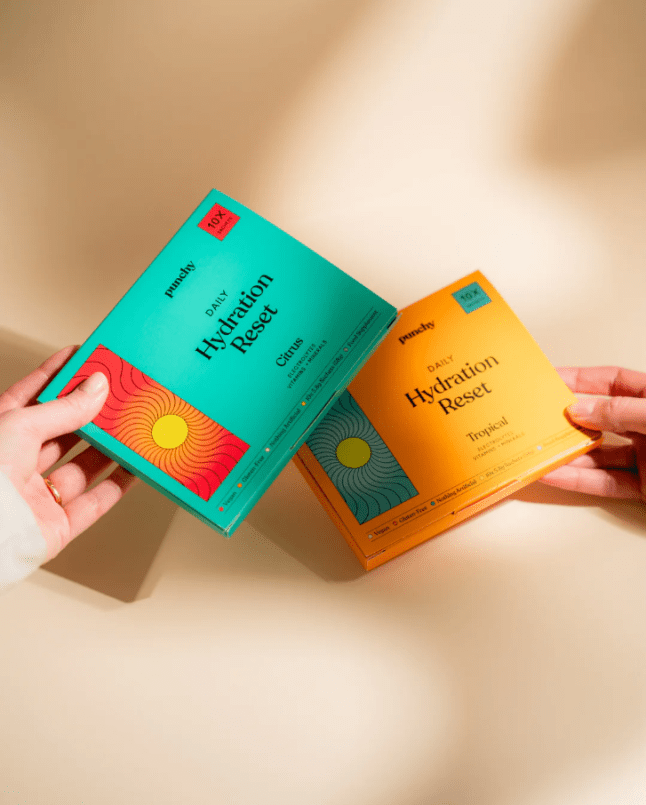
For those wanting to keep their hydration levels at an all time high, Punchy Drinks’ Tropical and Citrus Daily Hydration Reset sachets offer a convenient and tasty way to do just that. Each sachet is packed with seven essential electrolytes and five immunity-boosting vitamins, plus L-Glycine for muscle recovery. Low in calories, caffeine-free, and made with natural ingredients, they’re ideal for post-workout recovery, daily wellness, or simply upping your water intake with a flavourful twist.
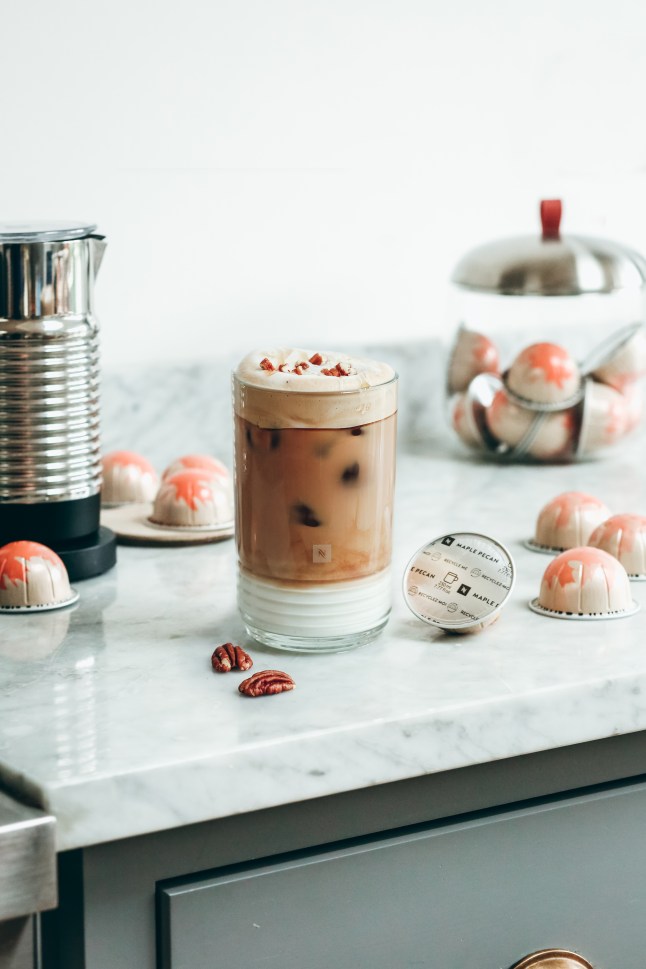
Good news for coffee lovers – Nespresso welcomes the return of its limited-edition autumn blends: Pumpkin Spice Cake and Maple Pecan. Crafted with Latin American and African Arabica coffees, these seasonal favourites offer warming notes of spice and sweetness – perfect for cosy moments as the weather cools. Each Vertuo sleeve is priced at £8.50, inviting coffee lovers to savour the flavours of fall.
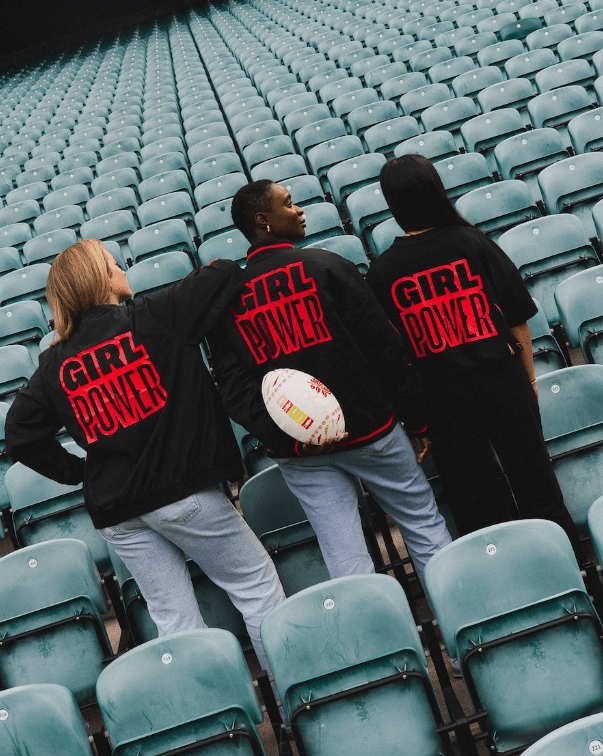
As for some news we’re super excited about? England Rugby’s Red Roses have teamed up with none other than the Spice Girls for a bold new collaboration celebrating women’s sport and Girl Power. The exclusive range includes Castore jackets, fan apparel from Fanatics, and a limited-edition rugby ball by Gilbert – all designed to inspire young girls to get into rugby. The collection is available online via the England Rugby stores, and at Allianz Stadium.
Just take our money.
If that wasn’t enough to tickle your shopping needs, below you’ll find everything our expert has or will be adding into her basket this weekend.
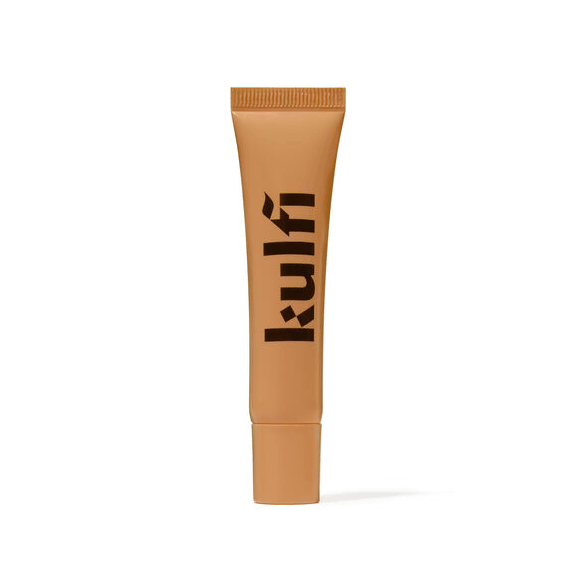
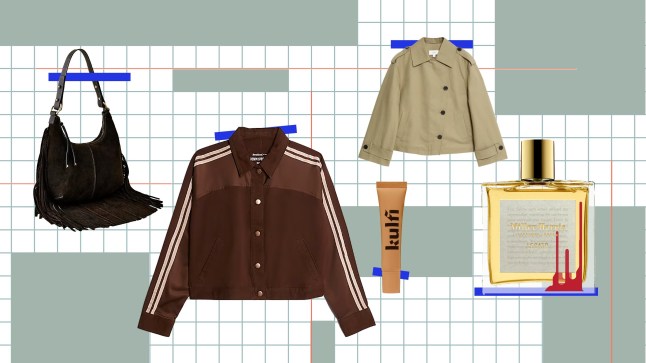
Kulfi Lip Snack Glossing Lip Balm
Keep your lips glossy and hydrated all day with Kulfi’s Lip Snack Glossing Lip Balm—a high-shine balm that doubles as a gloss. Lightly tinted and sweetly scented, it’s infused with ceramides and hyaluronic acid to nourish, smooth, and plump. The non-sticky formula can be worn solo or layered over lip oil for extra shine. Plus, it’s vegan, cruelty-free, and perfect for on-the-go hydration.
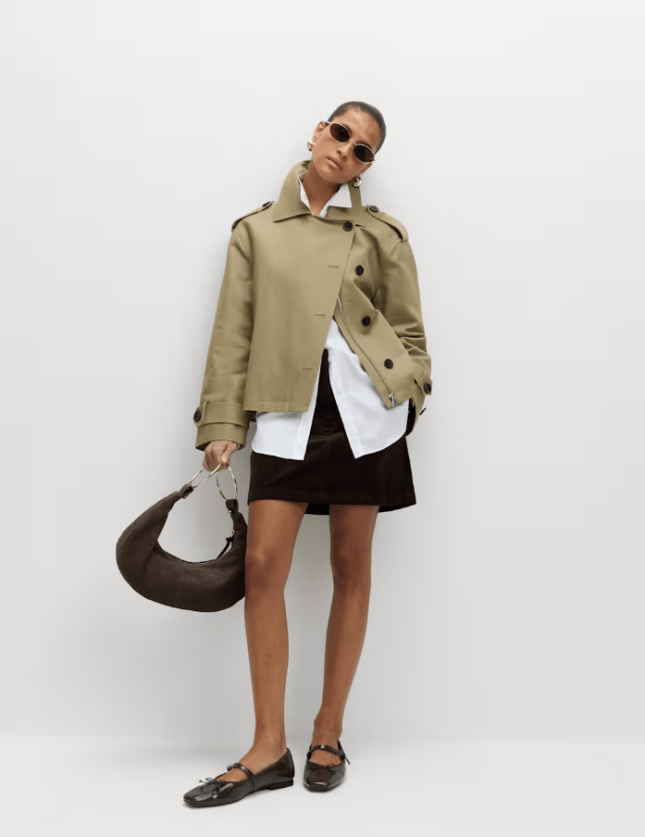
M&S Collection Cotton Rich Asymmetric Short Trench Coat
This cotton-rich trench coat offers a fresh twist on a classic wardrobe staple. Designed in a comfy regular fit with a flattering cropped length, it features an asymmetric front with both zip and button fastenings for added warmth. Authentic details like epaulettes and belted cuffs give it a timeless feel, while the modern silhouette keeps it current.
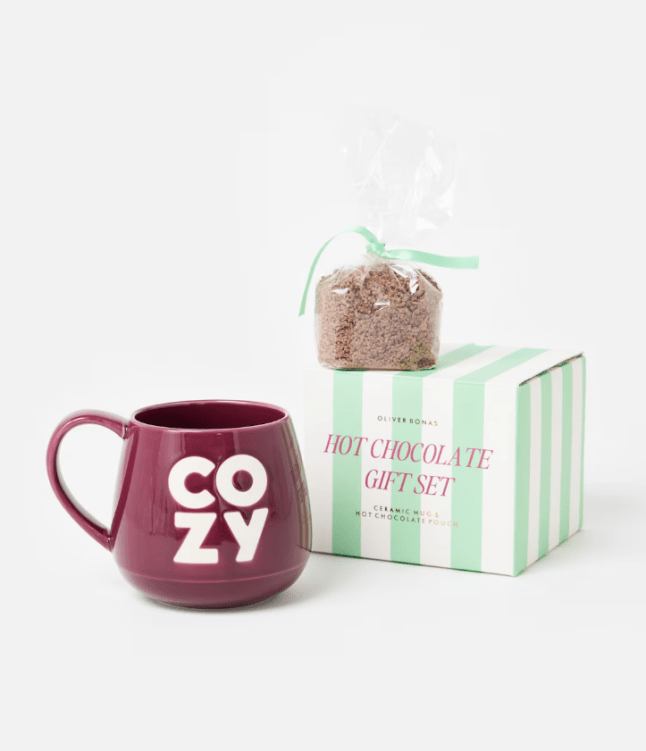
Oliver Bonas Cozy Mug & Hot Chocolate Gift Set
Get cosy this season with a charming hot chocolate gift set, featuring a glossy burgundy ceramic mug with 'Cozy' in bold white lettering and a ribbon-tied pouch of hot chocolate powder. Packaged in a striped blue gift box, it’s the perfect pick for chilly nights or thoughtful gifting to friends and family.
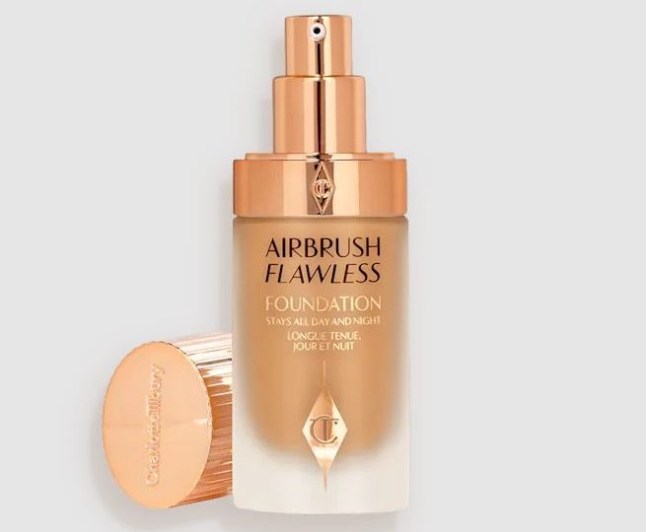
AirBrush Flawless Filter Foundation
This comeback has undergone modifications to the formula to create a full-coverage and budge-proof foundation that offers a matte finish to last all-day long. The inclusion of Powder Blur Airtech, Phytoyouth Essence, and Biomimetic Skin Tech combine to achieve a flawless matte finish that blurs pores, fine lines, pigmentation and any imperfections. Available in 44 shades.
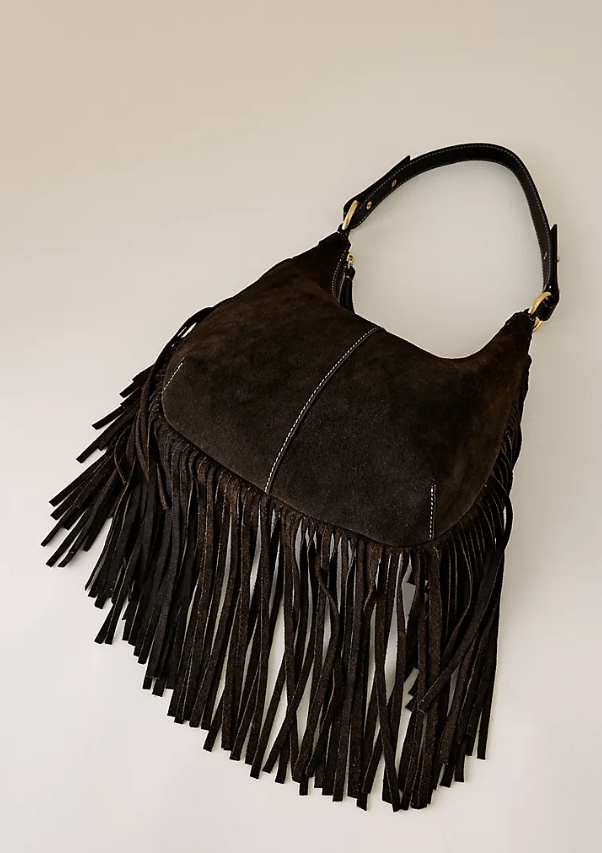
Anthropologie Suede Fringe Shoulder Bag
The Anthropologie Suede Fringe Shoulder Bag is a stylish accessory crafted from rich chocolate suede, featuring playful fringe detailing for a boho-inspired look. With a relaxed silhouette and versatile design, it’s perfect for adding texture and movement to your everyday outfits.
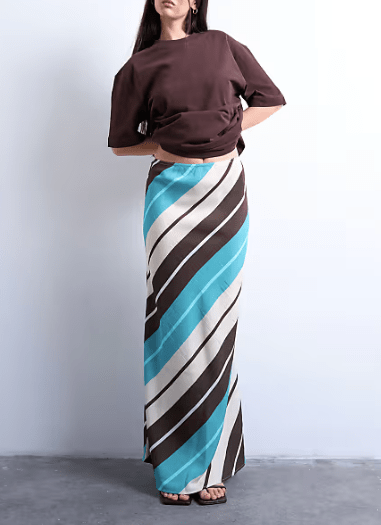
Topshop Flood Length Cupro Maxi Bias Skirt
Crafted from a viscose and polyester blend, this floor length maxi skirt is lightweight and floaty. The maxi style skirt features a mid-rise waist and has been cut on a regular fit, which skims the body for a comfortable fit. It features a contrast stripe print on a diagonal, and is available in various colourways. It comes in UK dress sizes 4 to 18.
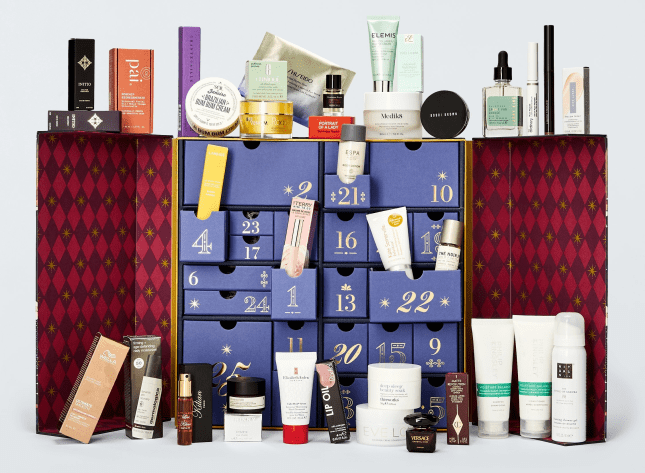
John Lewis Beauty Advent Calendar 2025
This year’s advent is filled with 36 beauty products, 23 of which are full sized. The contents ranges from make-up products, skincare and bodycare, as well as vouchers for beauty treatments. Big brands, including Le Labo, Chantecaille, Laneige and Trinny London are waiting inside. The general sale will launch on 3rd October.
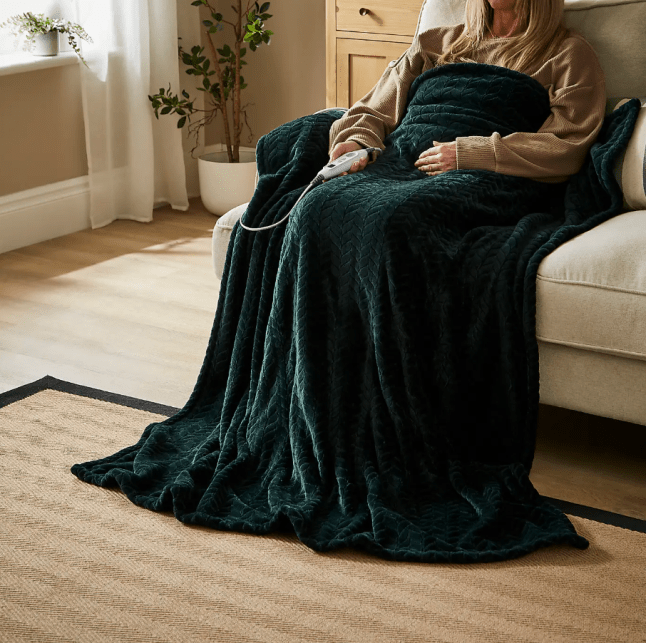
Dunelm Amelia Cable Electric Throw
Wrap yourself in warmth and style with this Cable Knit Heated Throw, a modern take on cosy comfort. Made from 100% recycled polyester, it features a classic cable knit texture paired with ultra-soft fleece for a snug feel. The electric heating element adds extra warmth, while a range of colour options ensures it fits seamlessly into any home décor. Plus, it’s machine washable, making it as practical as it is inviting.
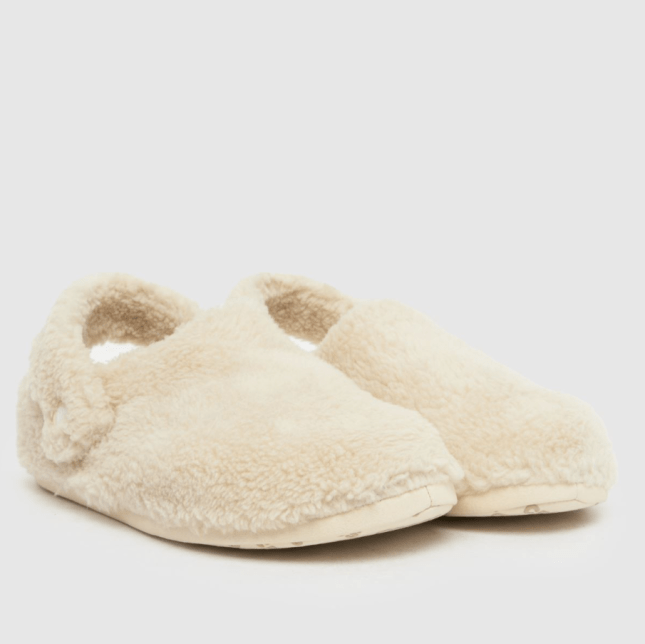
Crocs Classic Cozzzy in Beige
Embrace laid-back comfort with the Crocs Classic Cozzzy Slipper, designed for ultimate relaxation. Featuring the iconic Crocs clog silhouette, this slipper is lined heel-to-toe with plush faux shearling for a cloud-like feel. Whether you're lounging at home or enjoying a slow weekend, it's the perfect companion for cosy, carefree days.
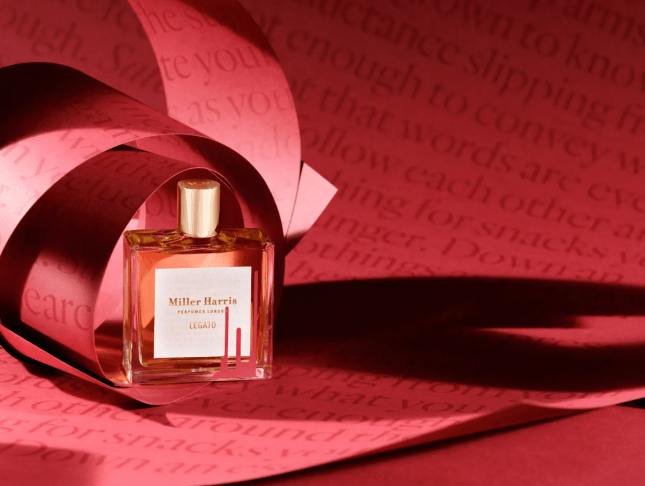
Miller Harris Legato
Legato is a warm, sweet vanilla-based fragrance with a modern twist. Blending creamy vanilla with soft musk, it creates a comforting yet seductive scent that captures the energy and emotion of city life. Rich and addictive, this gourmand perfume is designed to evoke intimacy, confidence, and a touch of urban edge.
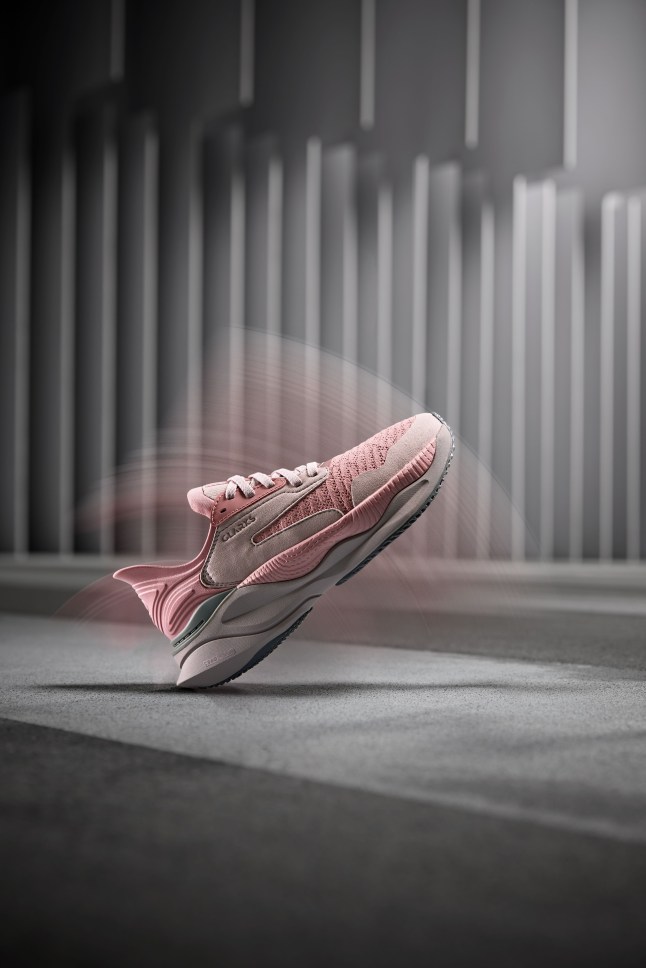
Clarks Pace
The sole has been embedded with Infinity Energy Capsules that compress and bounce back to put a spring in your step. The dual-layer sole also boasts Clarks’ signature C360 foam, which adds extra cushioning. The S-curved heel, molded heel and sole ensure a secure and comfortable fit. The C-Tread on the base of the sole provides necessary grip on the surface underfoot, while the light knit materials that make the exterior provide extra comfort and breathability.
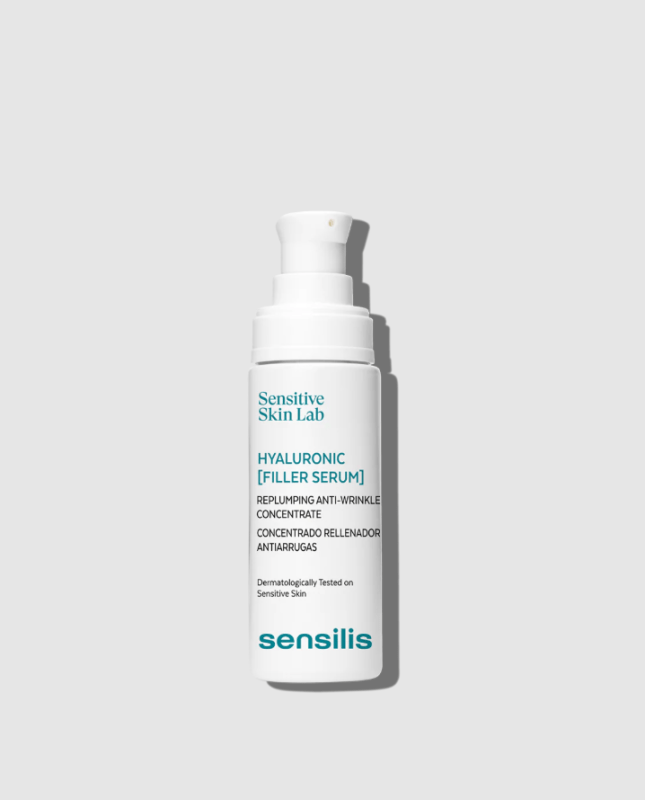
Sensillis Hyaluronic [Filler Serum]
This advanced serum offers a non-invasive solution for plumper, smoother, and more hydrated skin. Its formula boosts hyaluronic acid production, protects it from damage, and prevents its breakdown using a blend of three types of hyaluronic acid, GABA, antioxidants, and soothing plant extracts. Clinically proven to reduce wrinkles by up to 30% and increase hydration by 40%, it also helps improve skin firmness and elasticity. It’s especially effective when used after dermal fillers to prolong their results.
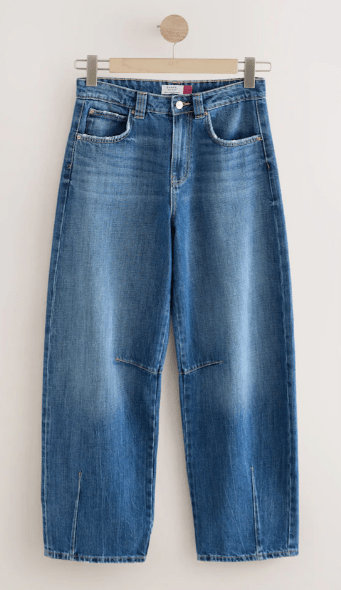
Next Mid Blue Denim Seam Front Barrel Leg Jeans
Barrel leg jeans take a variety of monikers, including balloon-leg and horseshoe jeans, though some liken them to a hybrid between a mom jean and ankle grazer. These barrel leg jeans curve from the thighs to the calves, and creates a curved silhouette, which is forgiving for all body shapes.
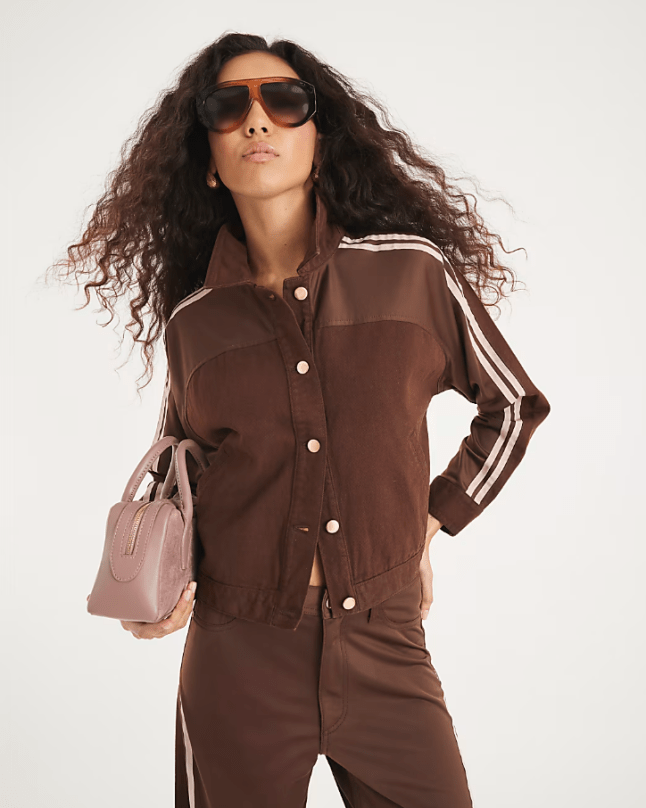
River Island Brown Long Sleeve Hybrid Denim Jacket
The Brown Long Sleeve Hybrid Denim Jacket from River Island is a stylish, structured piece that blends classic denim with modern design. Made from a cotton-polyester mix, it features long sleeves, a collared neckline, stripe detailing, and a button fastening. Practical and fashion-forward, it’s machine washable and available in sizes XS to L.
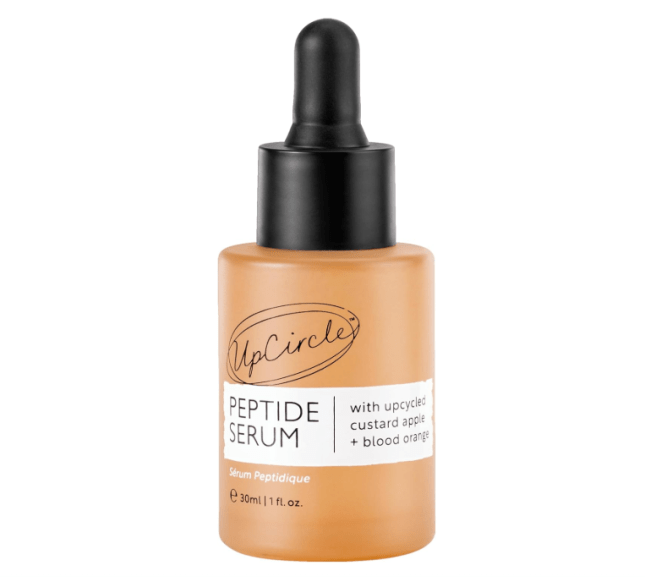
UpCircle Peptide Serum
This lightweight serum has been formulated with vitamin C, niacinamide, peptides, as well as custard apple extract and blood orange water, which work to boost collagen production, improve the skin’s elasticity, as well as brighten the complexion. It is also vegan and cruelty free.
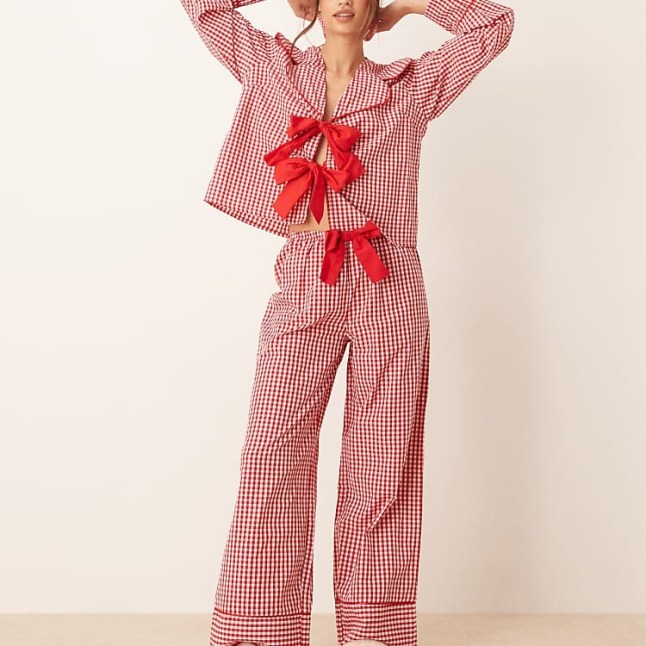
ASOS DESIGN pyjama top co-ord in red gingham
It’s giving Damson Madder vibes, but for nighttime, though we would easily wear the top out with jeans. It’s perfect for a festive sleepover with your girls.
Follow Metro across our social channels, on Facebook, Twitter and Instagram
Share your views in the comments below
Metro journalists select and curate the products that feature on our site. If you make a purchase via links on this page we will earn commission – learn more
Clarks is a failsafe shopping destination for those shopping for durable, reliable and stylish shoes that will stand the test of time.
Many associate Clarks with the place to shop school shoes, official work shoes, or for the ‘oldies’ to secure stable footwear. But we think the brand has come a long way over the decades to deliver comfortable, supportive, but also stylish footwear.
In fact, we have purchased multiple heels, Chelsea boots, and sandals that have lasted for years (and are still going strong), but are often mistaken for more premium brands.
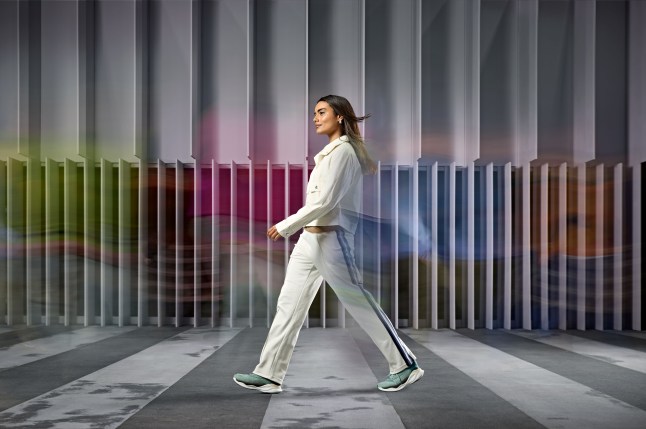
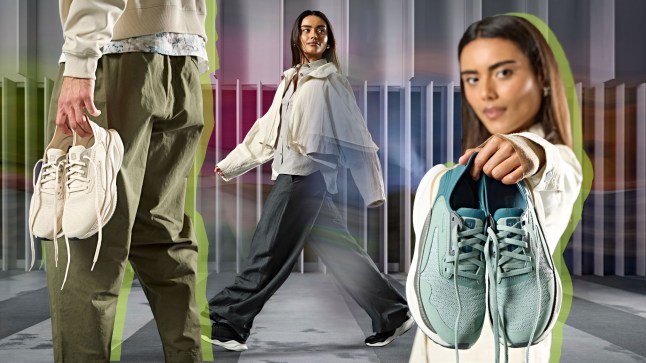
It goes without saying that Clarks’ shoes deliver the necessary support and comfort we need from our footwear, but this has been taken up a notch with its first-ever performance walking shoe, the Clarks Pace. The new drop is perfectly timed now autumn is here, as it’s the season of wet and windy walks.
The Clarks Pace performance walking shoes have been expertly designed, with the help of scientists, to deliver a supportive shoe to ensure optimum comfort on your Sunday stroll. So much so, one reviewer dubbed them the ‘perfect’ trainer.
Clarks Pace
The sole has been embedded with Infinity Energy Capsules that compress and bounce back to put a spring in your step. The dual-layer sole also boasts Clarks’ signature C360 foam, which adds extra cushioning. The S-curved heel, molded heel and sole ensure a secure and comfortable fit. The C-Tread on the base of the sole provides necessary grip on the surface underfoot, while the light knit materials that make the exterior provide extra comfort and breathability.
BUY NOW FOR £99 – save 20% off when you spend over £100 with AFAG20
The Clarks Pace are embedded with Infinity Energy Capsules in the sole, which compress and bounce back with every step, so you have a spring in your step, quite literally.
The dual-layer sole also features Clarks’ innovative two-part C360 foam, which provides the desired cushioning your feet need when pounding the pavements. This feature also reduces the impact on your knees and limbs by absorbing the shock when your feet hit the ground.
The Clarks Pace also features an S-curved moulded heel, which not only supports the heel, but it also helps to keep your feet stable and offers a secure fit.
Another key factor is the C-Tread outsole, which provides the necessary grip to keep you upright. Big tick!
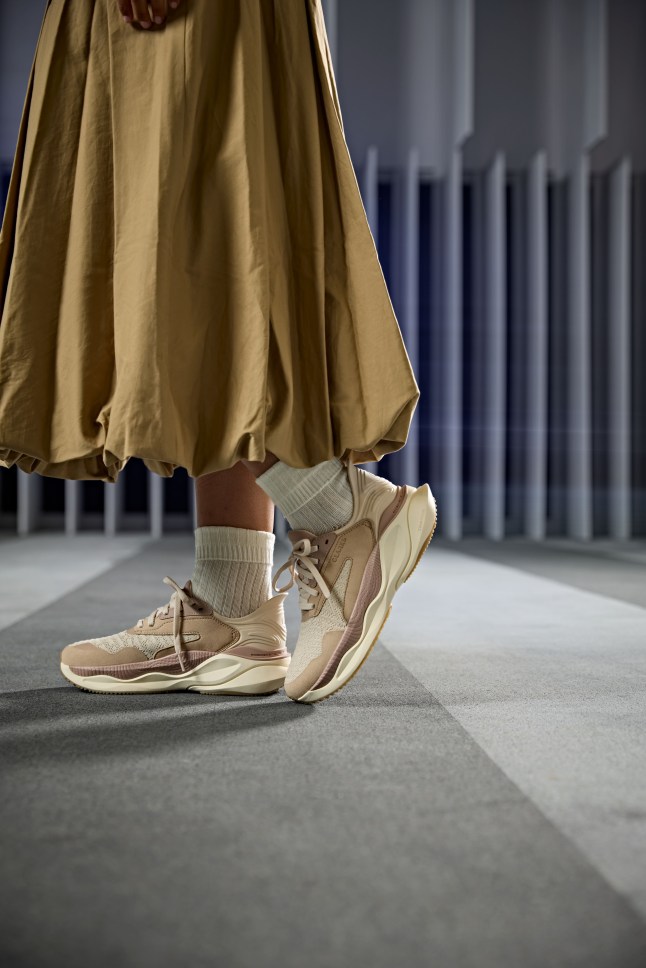
The exterior has been crafted from light knit materials, which are breathable yet protective.
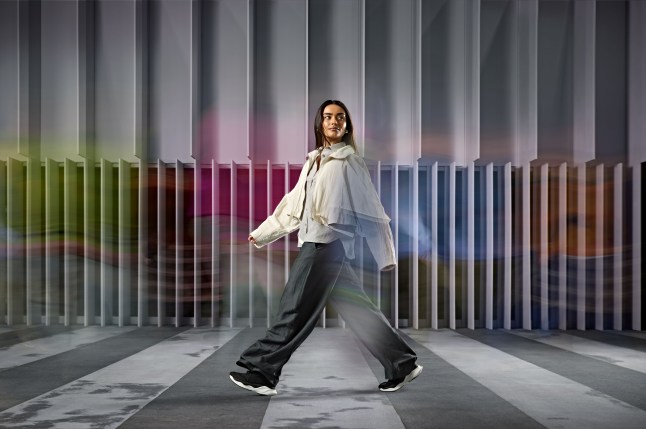
But this is not just substance over style as these walking shoes look ultra sleek too. They feature a round toe, elevated heel and strap fastening. Plus, this design is available in numerous colourways, including black white, off white, black and white blend, grey, navy, aqua blue, lime green, as well as sand and dusty pink. Plus, these are available for men and women.
Speaking about the new design, Clarks’ Global Head of Product, Dawn Porto, said: ‘Walking for fitness is on the rise, yet many people are still wearing shoes created for running, which means they’re not getting the right support for how their body actually moves. Clarks Pace is our answer to that. It’s purpose-built to support the movement of walking and scientifically engineered to help you walk further, for longer.’
The fun doesn’t stop with the new launch. Clarks is also offering shoppers the chance to save more with an exclusive discount code that will slash the price by 20%.
All you have to do is spend over £100 at Clarks to be eligible for the discount, so if you are purchasing these £99 trainers (and a pair of socks to reach the limit), or maybe you’re shopping a pair of ‘his and hers’ trainers, you can redeem the discount.
When your basket is over £100, simply add the discount code ‘AFAG20‘ at checkout. This deal is available to redeem from now until December 31.
Are you thinking what we’re thinking? Yes, that does make these walking shoes the perfect gift for your parents, grandparents, friends, or other family members (and yourself, of course).
What a way to celebrate Clarks’ 200th birthday!
Follow Metro across our social channels, on Facebook, Twitter and Instagram
Share your views in the comments below
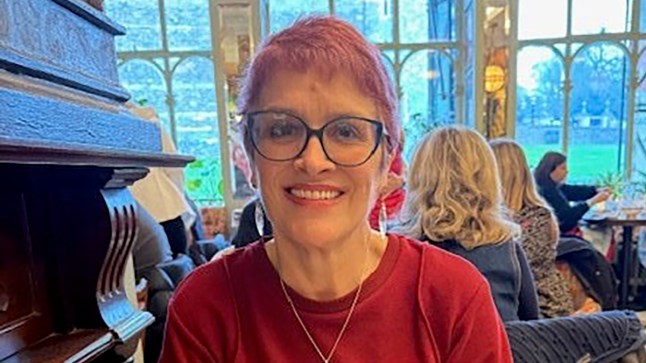
When Laura Nixon went to an out of hours doctor in Janurary with a painful stomach the doctor told her she likely had a UTI.
The 59-year-old was given antibiotics to treat her suspected urinary tract infection, and was then sent on her way.
It wasn’t the first time she’d saught help for a painful tummy. She’d been diagnosed with ulcerative colitis (inflammatory bowel disease) back in April 2024, but her pain had been steadily growing worse.
But what her doctors failed to realise was that Laura was struggling with a condition far more sinister.
She’d later discover she had stage four pancreatic cancer – and just five years to live.
‘I don’t think I’ve ever processed it,’ Laura, a Windsor resident, explains. ‘I go to bed at night and think if I wake up in the morning, it’s a bonus.
‘I can’t allow myself to be sad. There’s no point in being angry with people as you can’t go back, but I worry about people going through the same thing.’
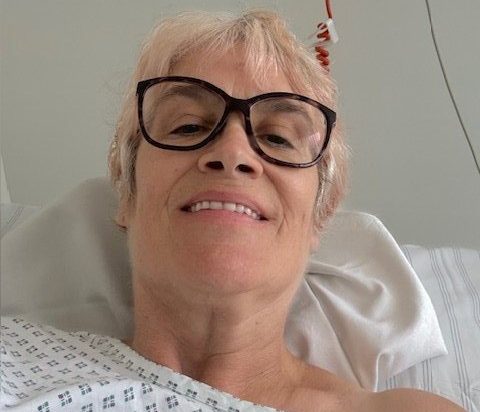
When the antibiotics for her supposed urinary tract infection hadn’t worked, the doctor re-prescribed them. Laura had wrongly assumed he was also checking for cancer markers, because she’d had her gallbladder out for that very reason.
The pain persisted and eventually she took herself to A&E two months later, but was told she’d have to wait a while for a CT scan.
Instead, since she was about to take her mum on a cruise, she decided to have some health checks done with her GP. After an exam, her doctor called her straight away and told her to get an urgent colon scan.
Then, on July 11, at 3.30pm, Laura was told the earth-shattering news that she had stage four pancreatic cancer and only five years left to live.
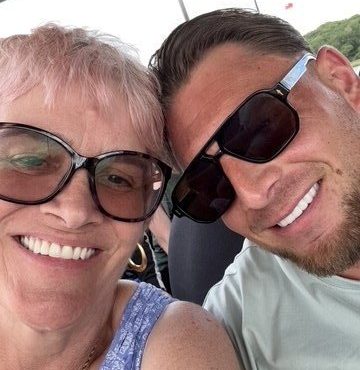
Laura didn’t want to wait and rely on the NHS, so she’s now in Germany preparing to undergo alternative private transarterial chemoembolization treatment. This delivers chemo directly to the tumour, rather than throughout the body.
‘My oncologist said they don’t offer this treatment on the NHS because they don’t know if it works,’ she explains.
Standard NHS treatment is chemotherapy and surgery, and while transarterial chemoembolization treatment is available privately in the UK, it costs far more than it does elsewhere.
The 59-year-old is fundraising to recoup some of the £65,000 cost of the treatment in Frankfurt, which will take two-and-a-half weeks, although much is being funded by her mother who is using her life savings.
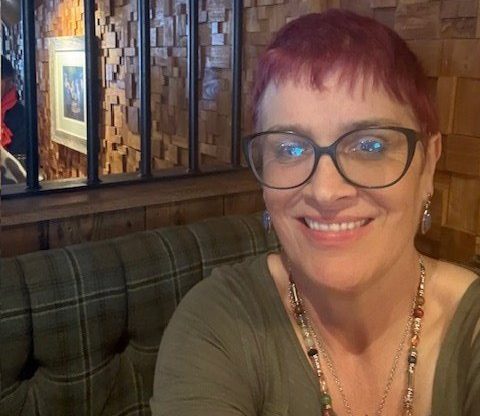
‘This private treatment will aim to starve the tumour which should relieve some of the pain,’ Laura explains.
‘They’re going to take some blood to produce hormones from it and then they block oxygen to my pancreas and suffocate it to stop it getting any bigger.’
Following this, Laura will move to Munich for a fortnight for additional intervention.
Pancreatic Cancer
Pancreatic cancer is a cancer that’s found anywhere in the pancreas – the organ in the top part of your tummy.
It helps you digest your food and makes hormones, such as insulin.
Symptoms include:
- the whites of your eyes or your skin turn yellow (jaundice), and you may also have itchy skin, darker pee and paler poo than usual
- loss of appetite or losing weight without trying to
- feeling tired or having no energy
- a high temperature, or feeling hot or shivery
- feeling or being sick
- diarrhoea or constipation, or other changes in your poo
- pain at the top part of your tummy and your back, which may feel worse when you’re eating or lying down and better when you lean forward
- symptoms of indigestion, such as feeling bloated
You’re more likely to get pancreatic cancer at 65 and over.
Source: NHS
‘I’ve got two treatments on my lungs and the last day they’ll do my liver,’ she adds. ‘They’re going to do intensive injections on the tumours as they’ve spread around my body.’
She’s got no support system while she’s away from home and she’s starting to become worried about her loved ones.
‘I’m on my own, I can’t take my mum with me as she needs to look after the cats and my house is on the market,’ Laura says.
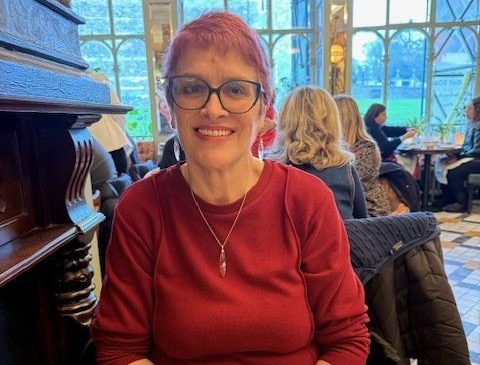
‘I’ve borrowed the money off my mum to pay for this and that’s her entire life savings gone now. But, the treatment should give me a 40% to 60% chance of living two years.
‘It’s still palliative, but I’m not worried about dying, I’m worried about who I leave behind.’
While the treatment isn’t guaranteed to work, Laura doesn’t blame her GP for not catching it earlier.
‘It’s been a complete mess,’ she sighs. ‘I don’t blame my GP at all – he’s been so good and pressing for answers for a long time.
‘He’s amazing – I feel so sad for him as he’s completely devastated. I just have to accept it and hope for the best.’
Do you have a story to share?
Get in touch by emailing MetroLifestyleTeam@Metro.co.uk.
5 Sep, 2025 | Admin | No Comments
Dunelm has all the Halloween essentials to throw the ultimate spooky party come October
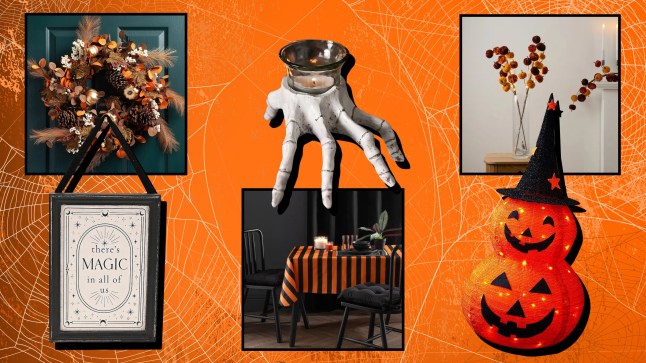
Metro journalists select and curate the products that feature on our site. If you make a purchase via links on this page we will earn commission – learn more
Carve pumpkins, laden your home with stuffed pumpkin door stops, and spice pumpkin spiced lattes, that’s what October is all about right?
With burnt amber, red and golden leaves laden on the floor, and a bite in the air, it’s safe to say autumn is here, which means hibernation season.
Whether you are one to celebrate every festivities (or National Day) in the diary, or you simply love to cosy up in the comfort of your own home, Dunelm has almost all the essentials to lend a helping hand.
While some may be organising a ghoulish Halloween party for friends, family or children, others may be sprucing up their home with autumnal accessories, either way Dunelm is the one stop shop to fill your home with the necessary items.
Of course, you don’t have to splurge on seasonal accessories, but if you do Dunelm has extremely affordable prices, which is why we love it so much.
From outdoor pop-up and light-up pumpkins to subtle yet chic velvet pumpkins, a witches brew diffuser to LED lights, Dunelm has something to suit every budget, style and occasion.
With seven pages of Halloween-themed items to shop online, which is over 370 products, we have taken it upon ourselves to find the best Halloween buys to stock up on now for October, and every Halloween to come.
Shop The Best Halloween Buys At Dunelm
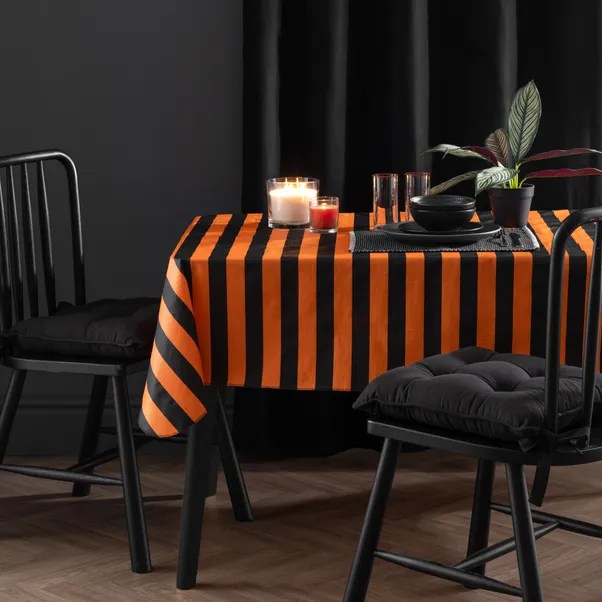
Striped PEVA Wipe Clean Tablecloth
There’s nothing worse than ring marks and stains from garish food colouring left on your table for years to come after a party. So, save yourself the aggravation of cleaning up when everyone has left the party, and from ruining your table, with this wipe clean orange and black striped tablecloth.
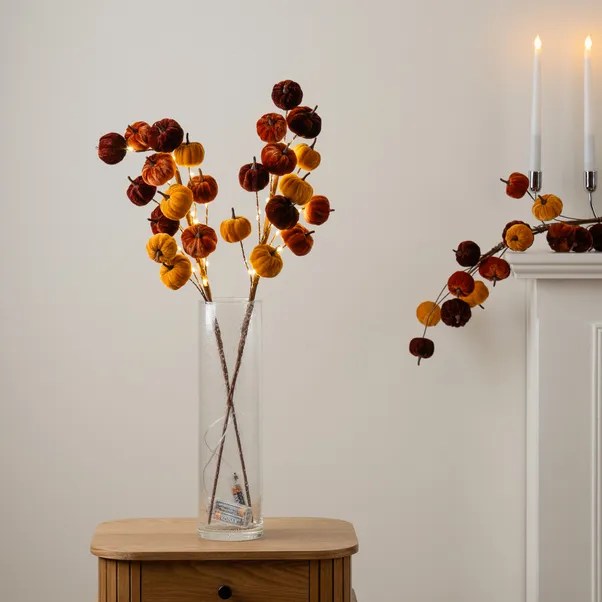
Set of 2 Pre-Lit Artificial Velvet Pumpkin Stems
Inject a subtle touch of autumn into your home with these textured pumpkin stems, which are ultra soft miniature pumpkins on a vine. Place in a vase and dot around the home, as a centrepiece, or even lay flat on the table or window sill as a runner.
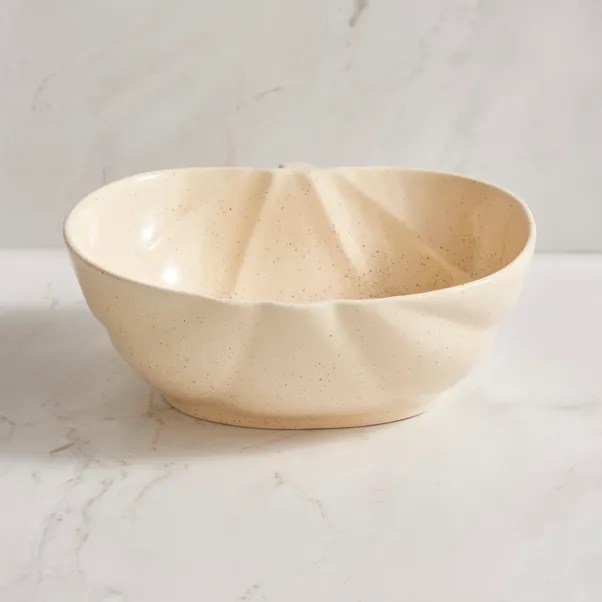
Pumpkin Reactive Glaze Bowl
Perfect for serving crisps and other sweet treats in for any party. You can opt for the cream colourway or vibrant orange, though you can always mix and match.
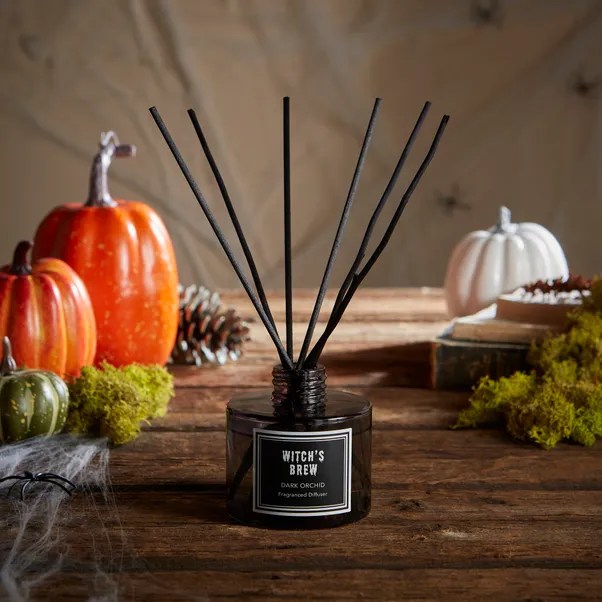
Witches Brew Halloween Diffuser
A subtle nod to the mystical festivities, but a clever homeware staple that leaves your home smelling fresh. We know the adults will have fun tormenting the children with this too: ‘If you don’t brush your teeth you may end up in the witches brew.’

Outdoor Pop Up Pumpkin Duo
When it comes to Halloween decorations nothing is too big or too bold. This battery powered light will stand tall in your garden, or outside your door, perfect to alert daring tick-or-treaters to come knocking. But don’t panic about keeping the neighbours awake with the lights on as this has a built-in timer.
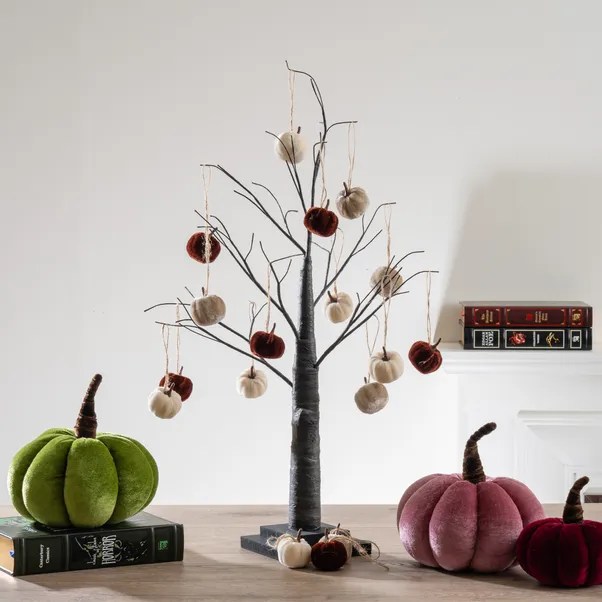
Set of 24 Hanging Velvet Pumpkins
Can you tell we’re a bit obsessed with the miniature velvet pumpkins?
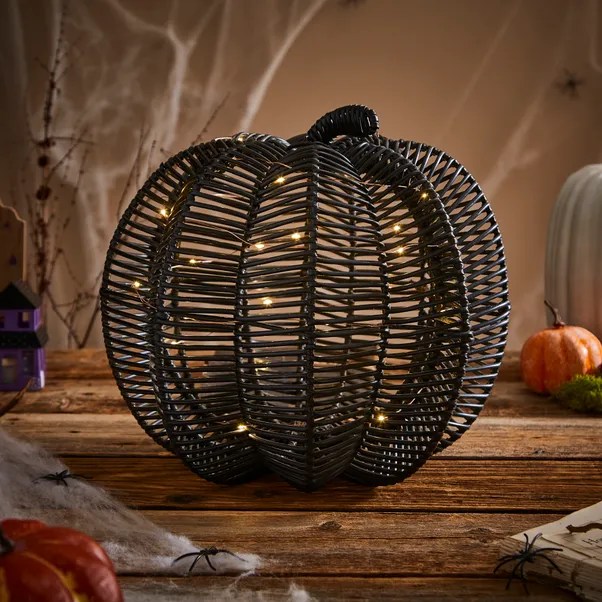
Faux Rattan Light Up Black Pumpkin
No, rattan accessories are not just for summer. We love this chic and simple, but very useful prop that can make a perfect centrepiece on a tablescape.
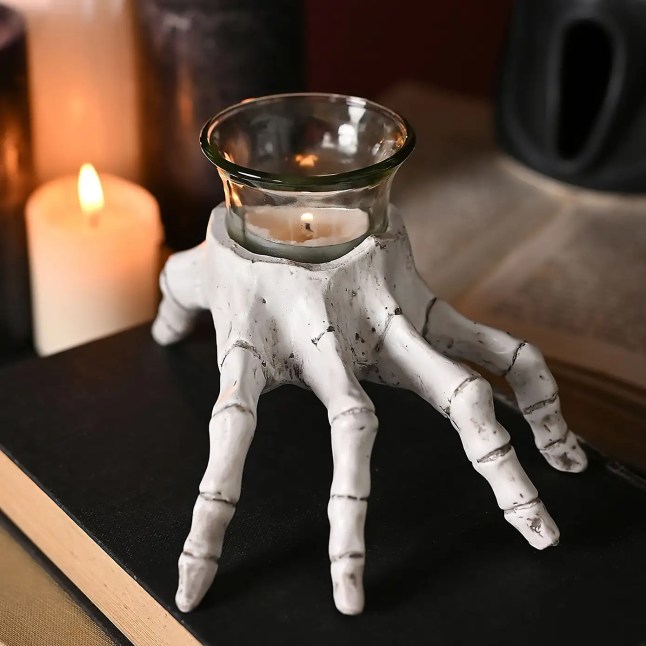
Hocus Pocus Skeleton Hand Tealight Holder
Up the ante with your garish props and place this Skeleton Hand Tealight Holder on the table to wow the crowds. Simple, but effective. Though we would likely place faux candles inside for safety when children are around.
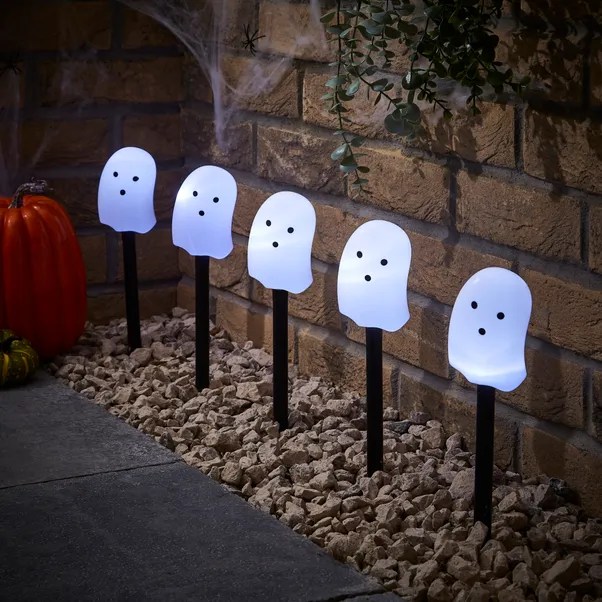
Set of 5 Ghost Stake Lights
Guide the way to your home by placing these charming Ghost Stake Lights in the garden for your Halloween party. The battery powered lights also have a built-in self timer, which saves your electricity bill.
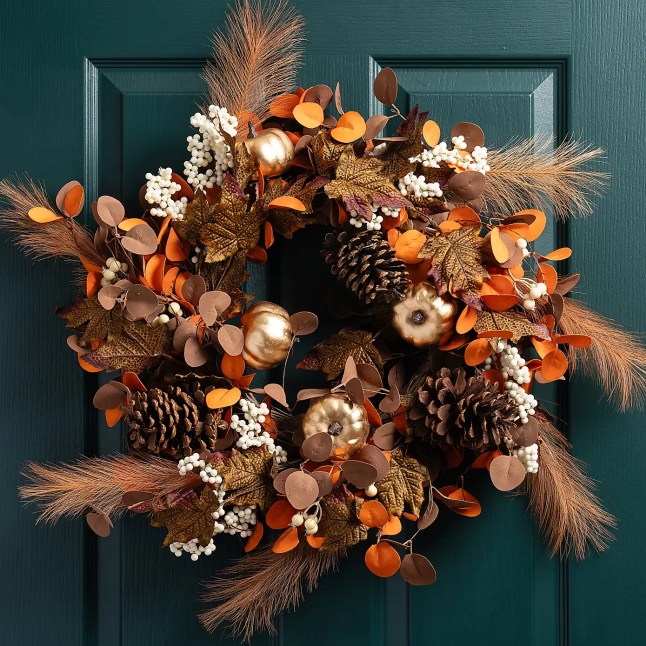
Artificial Brown & Gold Pumpkin Wreath
A chic wreath is a simple way to get into the autumnal spirit, it’s not too overbearing if you want to accessorise the home with a subtle nod to Halloween. Plus, it looks like a professional has arranged this floral wreath for you, yet you can reuse it year after year, which makes it more cost effective. While you can hang on your door, we have been known to use a wreath as a centrepiece with large candles placed in the centre – just an idea.
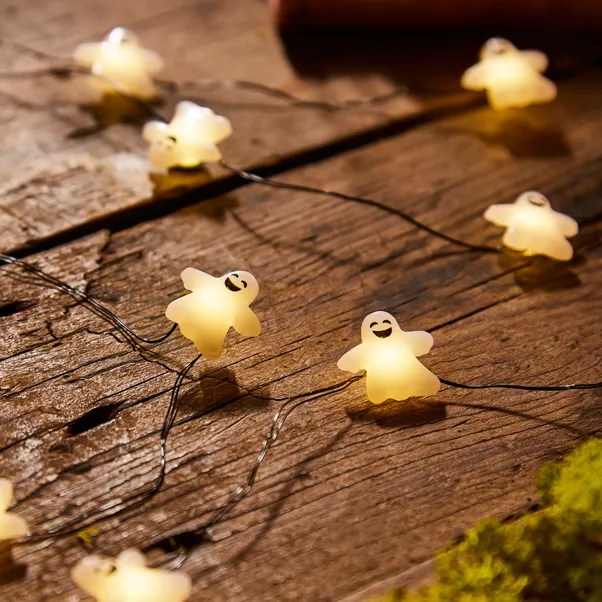
Mini Ghost 20 LED String Lights
Add drama to the home with these Ghost String Lights you can drape from the ceiling, windows, or even across a table. For under £5, it just shows you don’t have to spend a fortune to nail the Halloween theme at home.
Follow Metro across our social channels, on Facebook, Twitter and Instagram
Share your views in the comments below
5 Sep, 2025 | Admin | No Comments
'Comfy' pillows hailed as 'perfect for side sleepers' are now just £5 in flash sale

The Slumberdown Feels Like Down Pillows have been branded "extremely comfortable" and "full and fluffy every night" by shoppers, and are perfect for side, back, and stomach sleepers